

Introduction
Bahariya Oasis in Egypt’s Western Desert is a fascinating alternative to the traditional Nile Valley tour. Although part of the cultivated land and the settlements, Bahariya also houses a number of archaeological sites within the vast and changing landscape of the Western Desert’s Black and White Deserts.
In terms of travel, Bahariya can be seen as the start of a journey to the Black Desert followed by the White Desert, thus it can be classed as a separate destination in its own right and also as part of a wider itinerary through Egypt’s Western Desert.
Table of content:
- What Is Bahariya Oasis and Where Is It?
- How Did Bahariya Oasis Develop Through History?
- What Can You See in Bahariya Oasis Egypt?
- How Are Bahariya Oasis, the Black Desert and White Desert Connected?
- How Do You Plan a Trip from Cairo to Bahariya Oasis?
- What Should a Practical Bahariya Oasis Guide Cover?
- FAQs
What Is Bahariya Oasis and Where Is It?
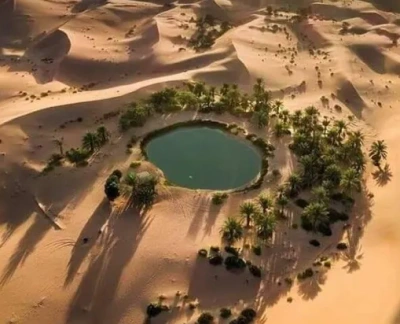
Bahariya Oasis, Egypt’s premier desert destination, is located in Egypt’s Western Desert, southwest of the capital city, Cairo. A large desert depression containing settlements, agricultural land and sites of archaeological interest, the whole of the Bahariya Oasis can be visited by traveling between the various sites of interest within the oasis, including the many sites of interest within the settlements.
Bawiti is the main town of Bahariya Oasis and a good base for a longer trip into Egypt’s Western Desert. The journey from Cairo to Bahariya Oasis is a great introduction to Egypt’s more rural and desert areas compared to the highly developed and very densely populated capital region.
This transition is important for the first-time traveler. Bahariya cannot just be another stop on the way to the White Desert. Time needs to be spent in the oasis to give proper cultural and geographical context to the subsequent journey through the surrounding desert.
How Did Bahariya Oasis Develop Through History?
Human activity in Bahariya has been occurring for centuries, throughout periods of Egyptian history. In the Western Desert, between settled agricultural land and desert routes, Bahariya has for long been connected to the Nile Valley.
There are plenty of ruins and tombs of Kings and Pharaohs in Bahariya, and many of the sites of archaeological interest date back to times of Ancient Egypt, showing that this desert Oasis was part of Egypt’s historical geography.
Most famous to the archaeological world is the Valley of the Golden Mummies, which brought the huge cemeteries of Bahariya to the world’s attention.
This is also the site of an ancient temple left to ruin when Alexander the Great left Bahariya. There are many other sites of archeological significance that can be explored to get a fuller understanding of Bahariya beyond just the scenery of the desert.
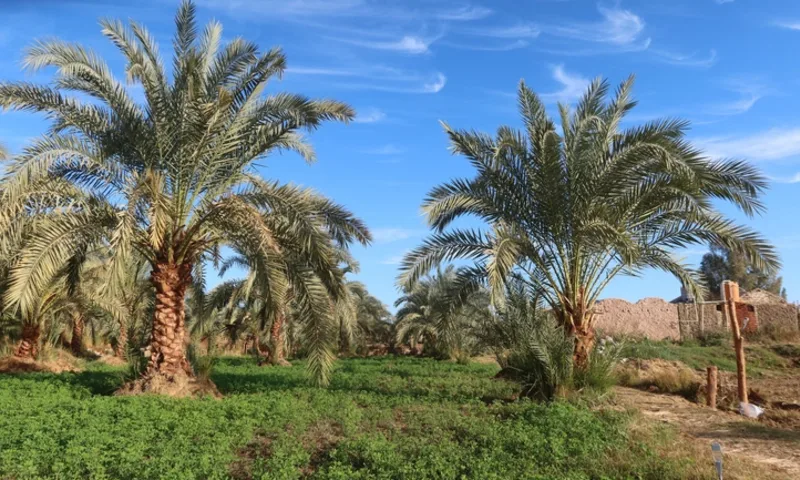
The modern town of Bahariya is very much a functioning oasis, comprising of areas of agricultural land, palm groves, and settlements, surrounded by the arid desert.
What Can You See in Bahariya Oasis Egypt?
A good Bahariya Oasis guide would differentiate between the sites and activities to experience within the actual Bawiti oasis, and the desert areas for longer excursions in the surrounding regions.
Bawiti and the inhabited oasis
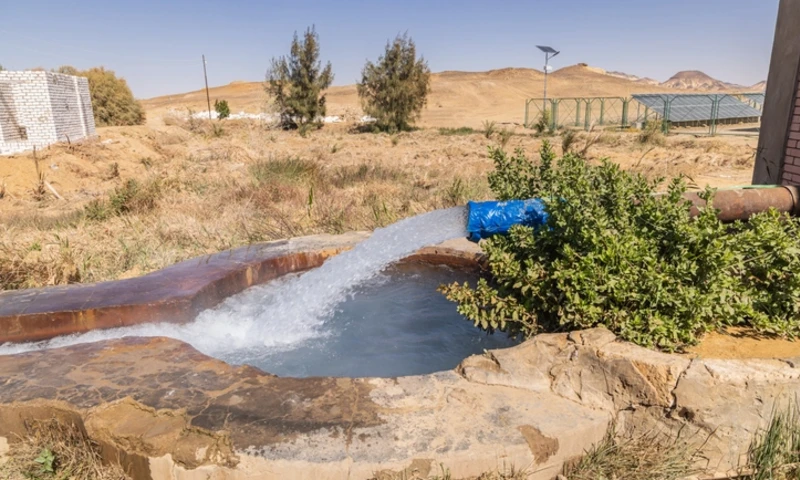
Bawiti shows daily life of the inhabitants of the oasis and is an ideal starting point for most of the desert journeys. In and around the settlements of Bahariya’s oasis there is much greenery, fields etc. It contrast sharply with the surrounding Western Desert.
This contrast in environments is the essence of an oasis. It is where water meets a desert landscape and thus supports human life and agriculture in the midst of all that sand. Here at Bahariya, as with other oases, you can see where the cultivated land ends and the desert begins.
Archaeological heritage
There are various sites of archaeological interest in Bahariya Oasis. The famous Valley of the Golden Mummies is right in the heart of the Bahariya Oasis. Other archaeological remains, from different periods, and relating to different cultures, and various religions, can be found elsewhere in the Bahariya Oasis.
In contrast to viewing Bahariya’s archaeological sites as separate attractions to the natural environment of the oasis, an understanding of how settlements evolved within a desert depression to become part of wider routes across Egypt can add depth to a visit.
Desert landscapes around the oasis
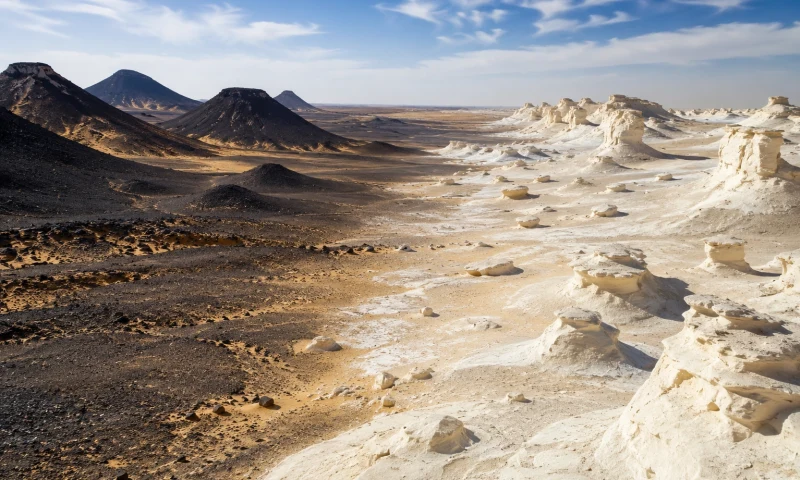
While the cultivated areas of the Bahariya Oasis are enclosed by a ring of hills, outside of the town the landscape opens up. In the area known as the Black Desert, dark volcanic-looking hills and rocky outcrops dominate the pale desert sands found in the southern part of Egypt.
The sites and activities to explore the true desert surrounding Bahariya, as part of a longer trip, can be compared in a list of Egypt Travel Packages.
How Are Bahariya Oasis, the Black Desert and White Desert Connected?
An important connection between Bahariya Oasis Egypt and the White Desert is given but do not mix up these two destinations.
The city of Bahariya is an oasis, the base for many trekking and traveling through the Western Desert. White Desert National Park is situated in the Northern part of the Farafra Oasis in Egypt’s New Valley Governorate. The area is designated as a landscape reserve by Egypt’s Environmental Affairs Agency and has been declared as such in 2002.
The Black Desert
The Black Desert is an area of dark hills and hard surface compared to the rest of the Western Desert. Much of the journey from Bahariya to the White Desert goes through the Black Desert.
This can give an impression of two versions of a desert, but in fact there are two very different landscapes. Seeing them in sequence along a route gives an understanding of why this route is often referred to as passing through the Black and White Deserts.
The White Desert
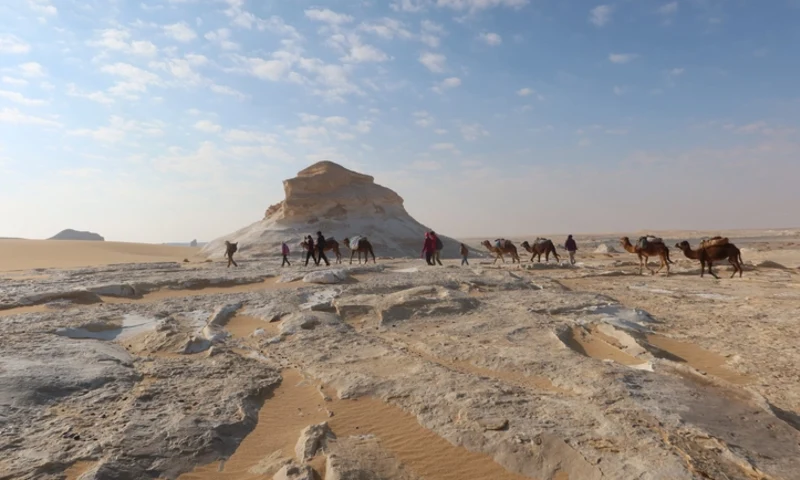
The White Desert National Park is located in the northern part of the Farafra Oasis area in the New Valley Governorate of Egypt’s Western Desert. The park consists of pale chalk and limestone which form karst land. The terrain is of white chalk surfaces, steep hills and even dunes of stone in some areas.
There are also numerous fossils embedded in the limestone surfaces throughout the park and a diverse variety of wildlife including several species of birds, as well as cats, mongooses and others. In addition to its geology and wildlife, the park’s many unique formations were naturally created.
The White Desert National Park is a protected area and thus there are a number of guidelines which tourists have to follow when visiting the area. The White Desert National Park is also of value for biodiversity conservation as well as geology and for tourism. Therefore environmental planning for the park includes the involvement of local communities from the oasis of Farafra as well as Bahariya.
How Do You Plan a Trip from Cairo to Bahariya Oasis?
Cairo to Bahariya Oasis is a journey that takes you from the lush valley of the Nile River in the heart of Egypt’s main Nile tourism corridor, the Cairo to Aswan Nile Valley tourist route, and travels to the far flung reaches of the vast Western Desert in the geographically very distant Western Desert of Egypt.
This page describes the amount of time to spend in Bahariya as opposed to other locations such as the Black Desert, traveling in the Black Desert on the way to the White Desert. For an extended desert travel or for a desert camping trip, more time is required.
Decide how much of the Western Desert you want to see
Decide how much of the Western Desert you want to see. If your goal is to spend time at Bahariya then spend time at Bahariya. If you want to see the more interesting geology of the Black and White Deserts, plan a longer trip.
If you’re intending to take a country-wide trip through Egypt, Egypt Travel Packages can explain how to link together a tour of the Western Desert with other places to visit in Cairo.
Plan desert travel carefully
Beyond the main settlements of Bahariya, traveling in the Western Desert is far removed from conventional city sightseeing. You will need to organize your routes in advance, be it by car, 4×4 or even on camel back. In addition to transportation, it is also wise to organize in advance as many protected areas are also governed by specific regulations for visitors.
The White Desert, which is a nature reserve, has to be seen with the appropriate arrangements. The visitor regulations and services have to be checked in advance. Information is available from the Environmental Affairs Agency of Egypt, which manages the country’s protected areas.
What Should a Practical Bahariya Oasis Guide Cover?
A well-planned trip starts with geography. Attractions and landscapes are spread across the oasis and surrounding desert rather than concentrated in a walkable historic center.
Travelers should also distinguish between sightseeing within Bahariya and excursions that continue farther into the Western Desert. Transportation requirements, route planning, protected-area considerations, and overnight arrangements can differ depending on how far the itinerary extends.
Clothing and personal equipment should suit outdoor desert travel, while water and other essentials need to be planned around the chosen itinerary. For remote routes, working with experienced local operators and guides can simplify transportation and logistics while supporting knowledge of the landscape.
The region also rewards a measured approach. Bahariya's appeal is not based on moving rapidly between a long list of landmarks. Its archaeology, cultivated oasis environment, desert settlements, and surrounding geology make more sense when viewed as connected parts of the same landscape.
FAQs
1- Where is Bahariya Oasis Egypt?
Bahariya Oasis is a small group of settlements, farms, and desert on the edge of Egypt’s Western Desert, some 560 kilometers (350 miles) southwest of the capital, Cairo. Many trips to the Western Desert are based in Bahariya from where there are routes to other areas of the desert.
2- What is Bahariya Oasis known for?
The Bahariya Oasis in Egypt, also known as the Valley of the Golden Mummies, is an oasis. There are the archaeological remains of an ancient town. It is a starting point for journeys through the Western Desert to the Black and White Deserts.
3- Is the White Desert in Bahariya Oasis?
The White Desert National Park is located in the northern part of the Farafra Oasis area in Egypt's New Valley Governorate. Bahariya is often associated with trips to the White Desert because it is a starting point for Western Desert journeys.
4- What should a Bahariya Oasis guide include?
Your Bahariya Oasis guide should set out the details of the Oasis itself, the archaeological remains and the amazing desert. Then there is the matter of traveling from Cairo and the relationship with the Black and White Deserts.
5- Can Bahariya be combined with the White Desert?
Yes. Bahariya Oasis can be used as a starting point for a journey to the White Desert. The White Desert is located in a National Park and therefore travelers should check current access and check the Visitor’s Center for up-to-date information on travel to the desert.