

Introduction
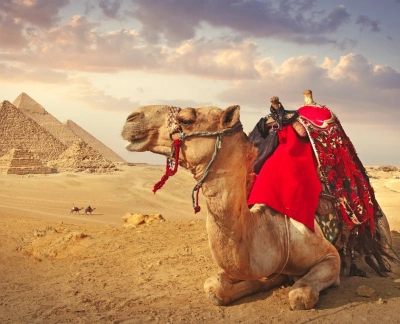
The Egyptian desert is not only the desert itself, located beyond the valley of the Nile River. To the west of the valley there is a large part of the Sahara desert, defined by depression zones, oases, plateau, sand dunes, and unique geological structures. In this desert one can discover regions totally unlike the famous archaeological routes of Egypt.
Western Desert is a desert located between the valley of the Nile River and Egypt's western border with Libya. There are five main inhabited oases in Western Desert – Siwa, Bahariya, Farafra, Dakhla, and Kharga. There are also such regions as White Desert and Black Desert.
For those who want to travel across the country, it is a geographical aspect which should be taken into consideration along with Cairo, Nile Valley, and Red Sea. The point is to realize the distance and choose the region instead of trying to visit all oases at once.
Table of content:
What Is the Desert of Egypt?
Egypt lies within the Sahara, the immense desert region extending across North Africa. Much of the country's population is concentrated around the Nile Valley and Delta, leaving large desert areas on either side of the river.
The desert of Egypt is generally understood through two major geographical regions: the Western Desert west of the Nile and the Eastern Desert between the Nile and Red Sea. This guide concentrates on the west, where some of Egypt's best-known oases and desert landscapes are found.
The Western Desert is not uniform. Sand seas occupy some areas, while other parts consist of limestone plateaus, depressions, dark volcanic-looking hills, chalk formations and cultivated oasis settlements. That variety is one reason a desert itinerary works best when built around geography rather than a checklist of individual sights.
Travelers planning a wider route through the country can use the Egypt Travel Pacakages to explore the packages and what you like
Where Is the Egypt Western Desert?
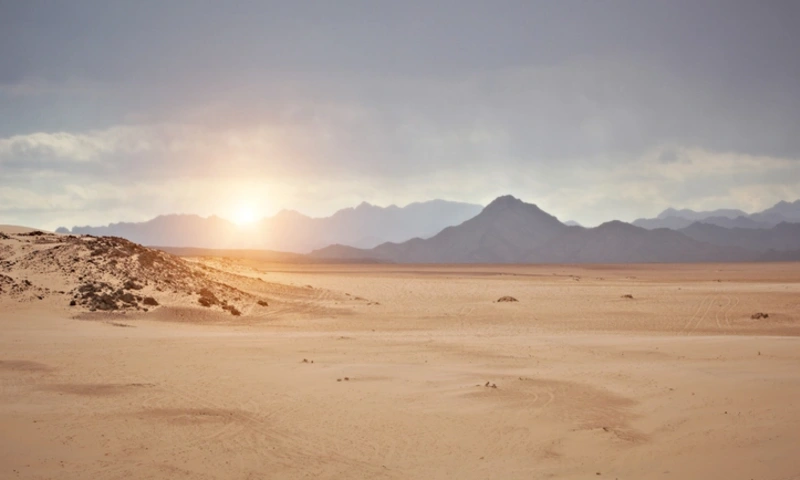
The Egypt Western Desert stretches westward from the Nile Valley to the Libyan border and south toward Sudan. It forms part of the eastern Sahara and accounts for a large portion of Egypt's land area.
For visitors, it is more useful to think of this enormous region as a series of destinations rather than one continuous tourist area. The northern part includes Siwa Oasis near Egypt's western frontier. Farther southeast are Bahariya and Farafra, followed by Dakhla and Kharga deeper into the Western Desert.
Cairo serves as an important starting point for several western routes. Bahariya lies southwest of the capital and is closely associated with journeys into the Black and White Deserts, while reaching Siwa involves a separate route toward Egypt's northwest.
This distinction matters when planning. A traveler interested mainly in unusual geological landscapes may choose a Bahariya and White Desert route, while someone interested in oasis settlements, lakes and the distinctive environment of Siwa would plan a different journey. If Cairo forms part of the same trip.
What Are the Main Oases of Egypt's Western Desert?
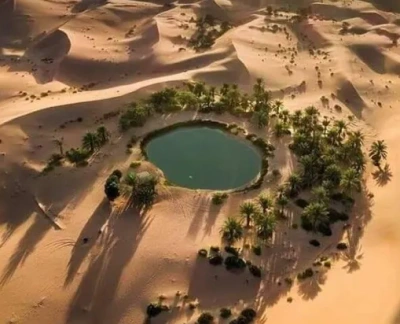
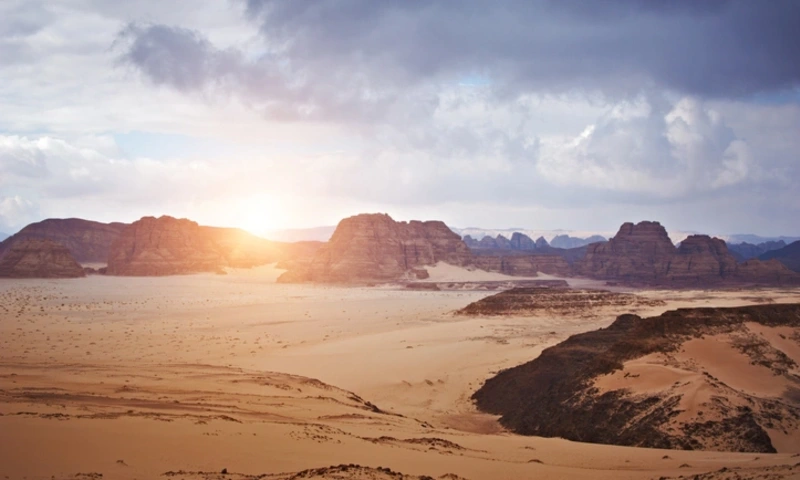
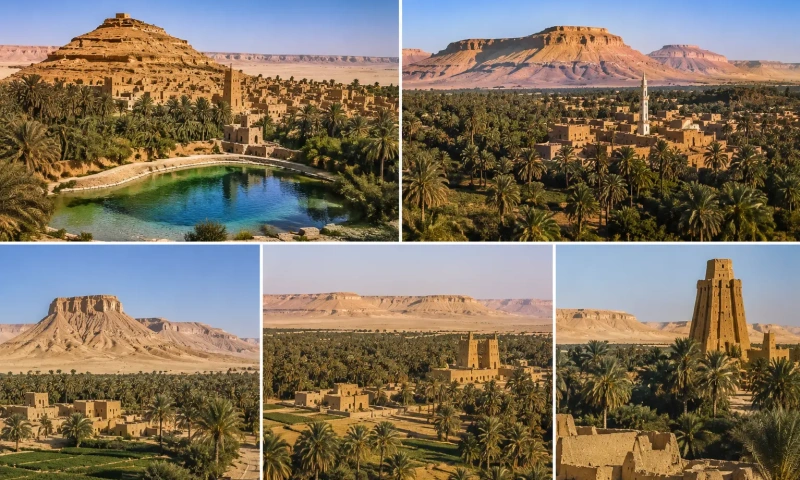
The oases are some of the most recognizable landmarks in Egypt's desert. Presence of water supplies facilitated development of settlements and agricultural areas within an arid environment resulting in the emergence of communities with unique history and environment that differs significantly from that of the Nile Valley.
Siwa Oasis
The Siwa oasis is located in western Egypt near the Libyan border. Geographical isolation of the region has resulted in the creation of an oasis environment quite distinct from Nile cities featuring groves of palms, natural fresh water sources, salt lakes, desert landscapes and settlements.
Bahariya Oasis
Bahariya is particularly valuable as a point of reference in terms of learning about connection between the oasis landscape and the desert around it. There are palm plantations and settlements occupying the depression area while desert paths lead to the nearby dramatically different landscape.
Farafra, Dakhla and Kharga
Farafra lies further to the south and is primarily associated with the White Desert region. This makes Farafra an important geographical reference point in terms of the transition between the northern and southern oases of Western Desert.
Dakhla and Kharga continue the chain of oases even further south. Instead of treating the oases as interchangeable destinations, it is necessary to treat each oasis as a distinct settlement with its own environment and geography.
What Are the White Desert and Black Desert?
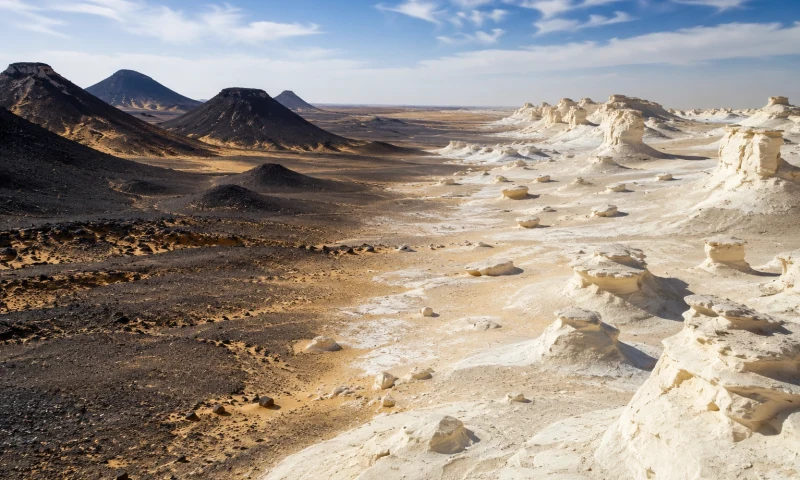
Few places demonstrate the geological variety of the desert of Egypt as clearly as the White and Black Deserts. Although their names suggest two simple landscapes, each area has a distinct appearance created by its geology.
White Desert
The White Desert is known for pale chalk and limestone formations shaped by long-term erosion. Wind has worked on the softer rock to produce freestanding formations that rise from the surrounding desert floor in unusual forms.
The pale landscape changes noticeably depending on viewing angle and natural light, while the scattered formations give parts of the desert a very different character from conventional dune scenery.
Black Desert
The Black Desert Egypt landscape contrasts sharply with the nearby pale terrain. Dark-topped hills and black fragments of volcanic material spread across sections of the desert surface, creating the appearance that gives the region its name.
Seeing the Black and White Desert within the same wider route helps illustrate how quickly the Western Desert's geology can change.
What Can You See and Do in the Western Desert?
Travel in the Egypt Western Desert is shaped as much by the landscape between destinations as by named attractions. Routes can cross open plains, rocky ground, dune systems and oasis depressions, making the movement through the region part of understanding its geography.
See contrasting desert landscapes
One of the strongest reasons to travel west of the Nile is the variation. The pale formations of the White Desert, darker terrain around the Black Desert, oasis vegetation and broad sand landscapes do not resemble one another, despite belonging to the same larger desert region.
This makes route selection important. Rather than choosing places simply because they appear on a list of Egypt attractions, consider which landscapes you want to understand and how naturally they can be combined.
Spend time in the oases
Oases introduce human settlement into the desert environment. Palm groves, cultivated areas, springs and settlements provide a contrast with the open terrain between them.
They also help explain why people have been able to live and travel across parts of the Western Desert for centuries. Staying within an oasis rather than treating it solely as an access point gives a more complete picture of the region.
Travel through the desert
Vehicle-based desert routes allow travelers to move beyond paved oasis towns into areas where terrain determines the experience. Depending on the itinerary and destination, desert travel may involve dunes, rock formations and broad open landscapes.
How Should You Plan a Western Desert Trip?
Distances should shape any Western Desert itinerary. Siwa, Bahariya, Farafra and the southern oases are spread across a huge geographical area, so a map is more useful at the beginning of planning than a long list of attractions.
Start by choosing a region. Siwa works naturally as its own destination in the northwest. Bahariya provides access to a different cluster associated with the Black and White Deserts. Longer journeys can continue through Farafra and toward the southern oases when the itinerary is designed for that route.
Desert travel beyond established towns also requires appropriate transport and route planning. Organized desert itineraries can simplify logistics where routes leave conventional roads and cross more remote terrain.
Cairo can be paired naturally with several Western Desert journeys because many visitors arrive in the capital before continuing west. Those planning a longer trip can compare Egypt tour packages to see how desert regions can fit alongside the Nile Valley and other parts of the country.
The most useful approach is not to treat the Western Desert as one attraction. Choose the oasis or landscape that interests you most, understand what lies nearby, and build outward from there.
FAQs
1- What is the desert of Egypt called?
Egypt contains parts of the Sahara Desert. The country is commonly divided into major desert regions including the Western Desert west of the Nile and the Eastern Desert between the Nile and Red Sea.
2- Where is the Egypt Western Desert?
The Egypt Western Desert lies west of the Nile Valley and extends toward the Libyan border. It includes major oasis regions such as Siwa, Bahariya, Farafra, Dakhla and Kharga.
3- What is special about the White Desert in Egypt?
The White Desert is known for pale chalk and limestone formations shaped by erosion. These freestanding formations create a landscape distinctly different from the dunes and rocky terrain found elsewhere in western Egypt.
4- Are the White Desert and Black Desert close to each other?
The White and Black Deserts are commonly associated with routes through the Bahariya and Farafra region. Their contrasting pale and dark terrain makes them natural components of a wider Western Desert itinerary.
5- Which oasis should you visit in Egypt's Western Desert?
The choice depends on the route and landscapes you want to see. Siwa suits a northwest-focused trip, while Bahariya connects naturally with journeys toward the Black and White Deserts.