

Introduction
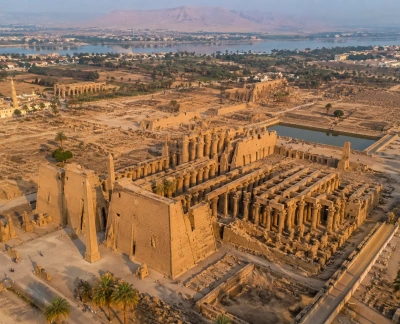
The archaeological site of the Karnak Temple is one of the main sites to visit in Luxor. Here, you will learn more about the ancient Thebes and its sites, in particular the huge complex of the Temple of Karnak. The Temple was not built as one single temple but was, over the centuries, step by step expanded by successive Pharaohs.
The real scale of the site is only visible when you actually enter it. The spaces in between the temples open up, you read the ancient inscriptions on the walls of the temples and columns, and you see the different construction phases. If you know the basic layout and history of the temple before you go, you can better appreciate the individual structures.
Table of content:
What Is Karnak Temple and Why Is It Important?
The ancient complex of the Karnak temples, a major site of worship of Thebes in ancient times, comprises the largest of Thebes’ sacred areas, the Precinct of Amun-Re, the great cult area of Amun-Re, ancient king of the gods.
Pharaohs continued to add pylons, courts, chapels, statues and obelisks to the site. As they did, layer upon layer of architecture was built up and it is possible to follow the different periods of history during which Egypt was prospering.
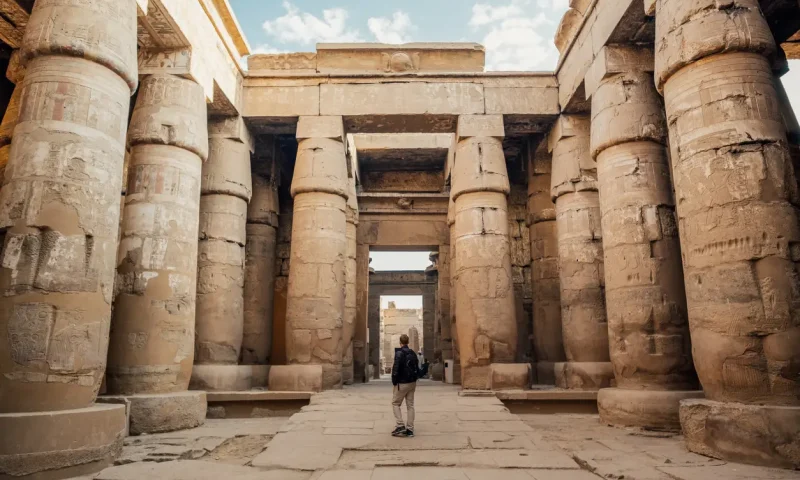
A major point of interest to first time visitors of the complex is that the different stages of its long development are visible throughout the complex, a testament to the successive building, renovation and support by the different Pharaohs. Walking through the complex is not the same as walking through a single building, because it consists of so many different buildings and structures.
What Should You See Inside Karnak Temple?
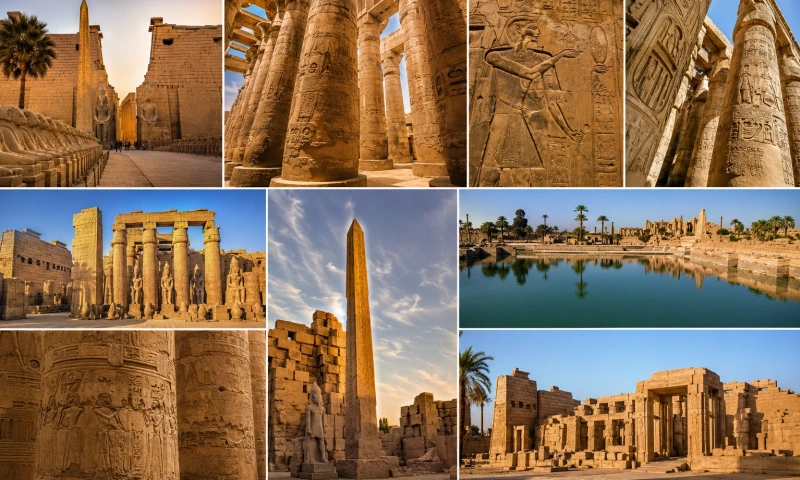
The Great Hypostyle Hall
The Precinct of Amun-Re
Hatshepsut's Obelisk
The Sacred Lake
The Temple of Khonsu
What Are the Most Interesting Facts About Karnak?
However, one of the very most useful facts about the site of Karnak is that what visitors can today see consists of layers of several centuries of building activities. In each generation of rulers of ancient Thebes new parts to the site were added, modified or even completely swept away and then rebuilt again.
The architecture at Karnak which conveyed the power of the ruler included obelisks, gates, inscriptions and statues which associated the ruler with the gods by being placed in one of the most important centers for the worship of a pantheon of gods in Egypt.
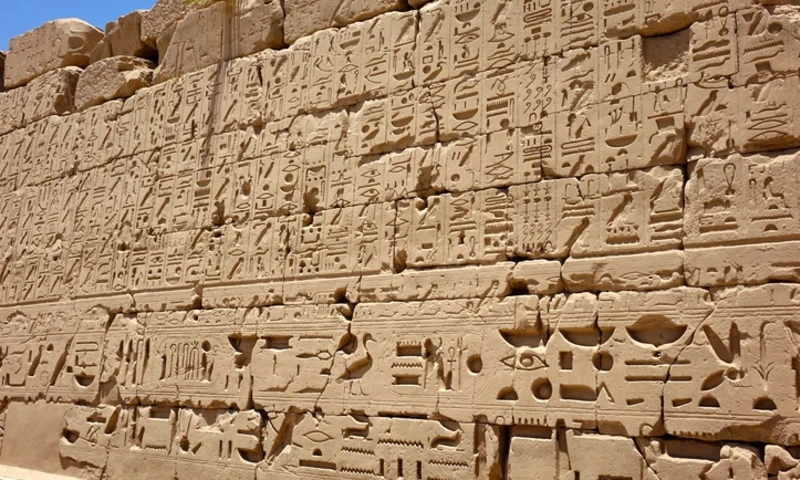
Most visitors do not have time to study the reliefs and inscriptions on the walls and in the columns of the structures. These surfaces are not mere decorations for they can tell us of ceremonies, of the manner in which a king was represented, and of historical events.
Karnak's connection with Thebes is equally important. Looking at the complex alongside other monuments in Luxor gives a much fuller picture than treating it as an isolated archaeological site.
How Does Karnak Temple Architecture Tell Its Story?
Architecture, of all the aspects of the Karnak Temple Complex, reflects best the timeline of the complex.
Pylons define the entrances to the individual areas, while Courts are large open spaces in front of more closed areas of the Temple, such as the Halls with columns. The tall Obelisks lead the eye upwards, while the smaller sanctuaries display further aspects of the Temple’s architecture.
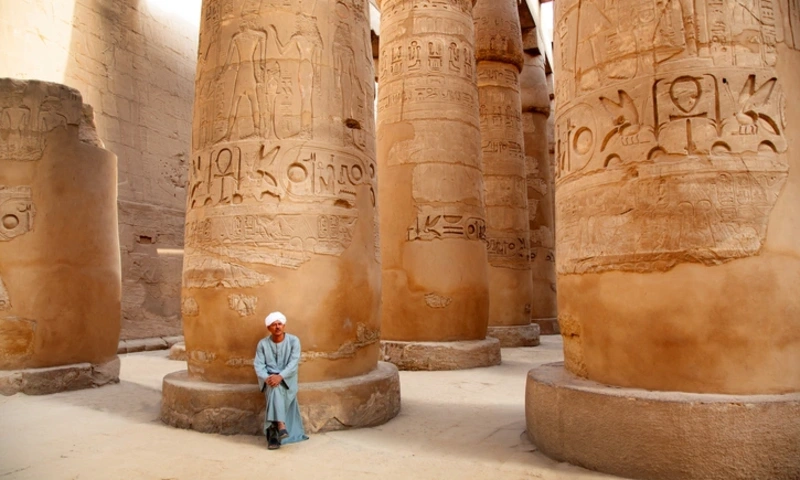
The Great Hypostyle Hall, with its forest of columns, presents a changing perception of the space when viewed from different angles. Much of the temple’s rich decoration has also survived.
Notice the inscriptions throughout the site, even when you can’t read them all. You can recognize the repeated images of kings and gods, and the changes in style from one area to another.
How Should You Plan a Visit to Karnak?
The scale of the site rewards a structured visit. Rather than trying to look at every carved surface, begin with the main architectural sequence and spend more time at the areas that interest you most.
A guided visit can provide context for the chronology, religious symbolism and inscriptions. Independent travelers may prefer to familiarize themselves with a Karnak temple plan beforehand so that the relationship between the major precincts and monuments is easier to follow.
Comfortable walking shoes are practical because exploring an archaeological complex of this size involves considerable movement across stone and open ground. Taking time at the Great Hypostyle Hall, obelisks and principal sacred areas also allows you to notice details rather than moving rapidly between landmarks.
Karnak can form part of a broader Luxor itinerary covering the East and West Banks. Travelers building a longer Egypt route can also connect Luxor with Egypt Nile Cruises or compare Egypt Tour Packages that include Upper Egypt.
How Does Karnak Fit Into a Wider Luxor Trip?
In addition to Karnak, Luxor also contains the remains of the Luxor Temple on the East Bank of the Nile. A large array of royal tombs, and their corresponding mortuary temples, and other archaeological sites make up the West Bank landscape of the ancient city of Thebes (now Luxor).
By using the sightseeing areas for travel, instead of traveling a lot between single monuments, visitors of Upper Egypt can experience and follow the river and the ancient city of Thebes.
Many Upper Egypt visitors have more than several days for historical studies extending beyond Luxor. A number of sights can be included in a Nile itinerary in order to trace the sites of the ancient settlements, the locations of their temples and of their various centers of worship.
FAQs
1- What is Karnak Temple?
Karnak Temple is a large ancient Egyptian religious complex at Luxor, associated particularly with the worship of Amun-Re. Successive rulers expanded and modified it over centuries.
2- What are the main things to see at Karnak Temple?
Key areas include the Great Hypostyle Hall, the Precinct of Amun-Re, obelisks, the Sacred Lake and the Temple of Khonsu. Each represents a different part of the complex's architectural and religious development.
3- What are some important facts about Karnak?
Among the most useful facts about Karnak is that it was developed by many rulers rather than constructed under a single pharaoh. Its buildings, inscriptions, statues and obelisks therefore preserve evidence from different periods of ancient Egyptian history.
4- Where is Karnak Temple located?
Karnak is located in modern Luxor in Upper Egypt, within the area of ancient Thebes. It forms a central part of Luxor's East Bank archaeological landscape.
5- Is Karnak worth including in a Luxor itinerary?
Karnak provides essential context for understanding the religious landscape and monumental architecture of ancient Thebes. It pairs naturally with Luxor Temple and the archaeological sites of the West Bank.