

Introduction
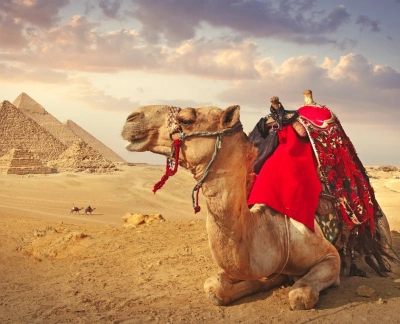
The Pyramids of Giza stand on a desert plateau west of central Cairo, forming part of an archaeological landscape created more than 4,500 years ago. Most visitors know the three monumental pyramids immediately, but the site extends well beyond their familiar silhouettes. Temples, smaller pyramids, tombs, causeways, and the Great Sphinx all belong to the wider funerary landscape.
Understanding that larger setting changes the way you see the site. The Giza Plateau was not designed as a collection of isolated monuments. Each royal pyramid belonged to a complex associated with the burial and cult of a pharaoh, while surrounding structures reveal how the necropolis developed during Egypt's Old Kingdom.
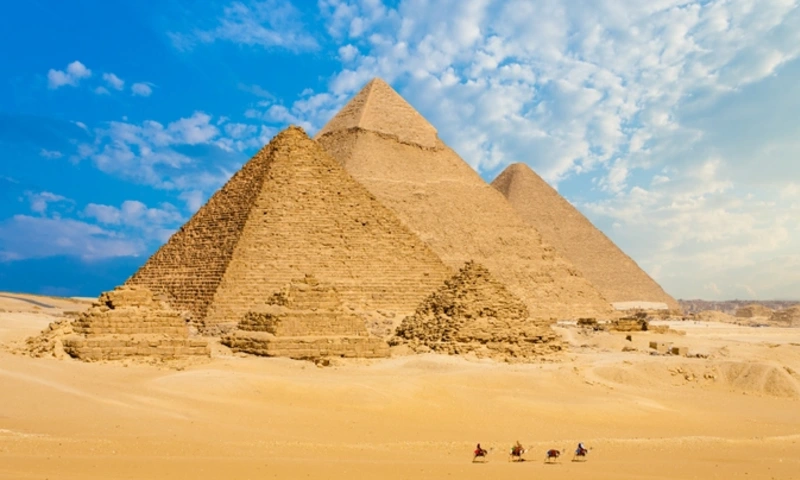
The three principal pyramids are associated with the Fourth Dynasty rulers Khufu, Khafre, and Menkaure. Their scale differs considerably, and walking or driving between them provides a clearer sense of their relationship to one another than the familiar distant panorama suggests.
Table of content:
- The Great Pyramid of Khufu
- The Pyramids of Khafre and Menkaure
- What Can You See Across the Giza Plateau?
- Why Were the Giza Pyramids Built?
- How Should You Plan a Visit to the Giza Plateau?
- Should You Go Inside a Pyramid?
- What Should You Focus on While Visiting?
- What Else Can You Visit Near the Pyramids?
- FAQs
The Great Pyramid of Khufu
The Great Pyramid is situated in the Northern part of the complex and was the pyramid built for Pharaoh Khufu. It is the largest of the three main pyramids and is the only one of the traditional Seven Wonders of the Ancient World still standing.
Up close, the clean lines of the photograph of the Great Pyramid to make for a very different impression of the ‘mountain’ as it is known locally. The individual stones of the limestone used for the Pyramid’s core can be clearly seen, giving an appreciation of the scale of this amazing construction. Those with tickets for entry to the Pyramid can also experience the interiors of the Pyramid (dependent on current site access and ticketing policy).
To see the Great Pyramid within the larger remains of the funerary complex of Pharaoh Khufu, and not simply as part of the view from the top of the other pyramids when looking out from the edge of Cairo, is to see something rather different.
The Pyramids of Khafre and Menkaure
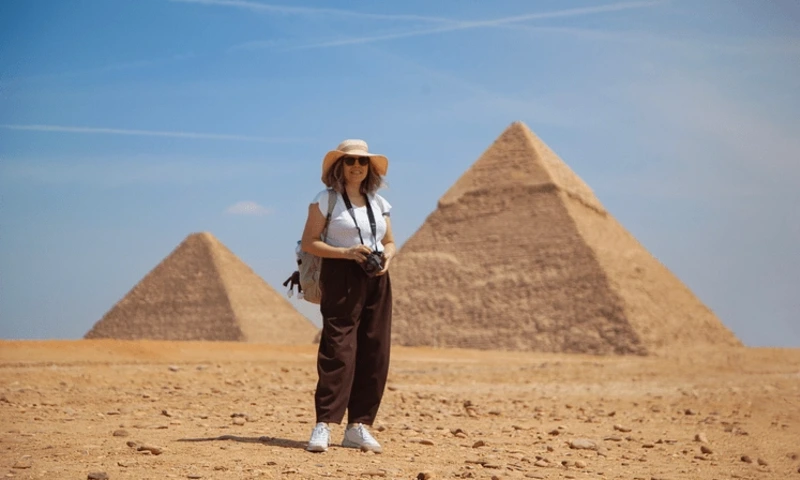
Because Khafre’s Pyramid is on higher ground than Khufu’s, it can sometimes look bigger than the Great Pyramid, even though it is not. The surviving casing stones near the summit of Khafre’s and the other two Pyramids give us important clues about how the Pyramids looked when they were mostly covered with smooth exteriors.
The combined impression of the three pyramids has made the so-called Giza complex, which includes more than the three principal monuments, so distinctive to the landscape as a whole.
A variety of smaller subsidiary pyramids and archaeological remains are scattered throughout the complex and give us an insight into the organization of the royal necropolis as a whole.
What Can You See Across the Giza Plateau?
If you think of the Giza Plateau as one big archaeological site rather than a collection of separate monuments, you will find that it is full of surprises. As you move from one pyramid to another, for example, you will find that they seem to be of a different scale from one viewpoint than from another, when you are down at the base.
It is also good for a wider panoramic view. This really brings out the relationship of the three main Pyramids, and also gives the classic view of the Pyramids in the desert.
Great Sphinx of Giza
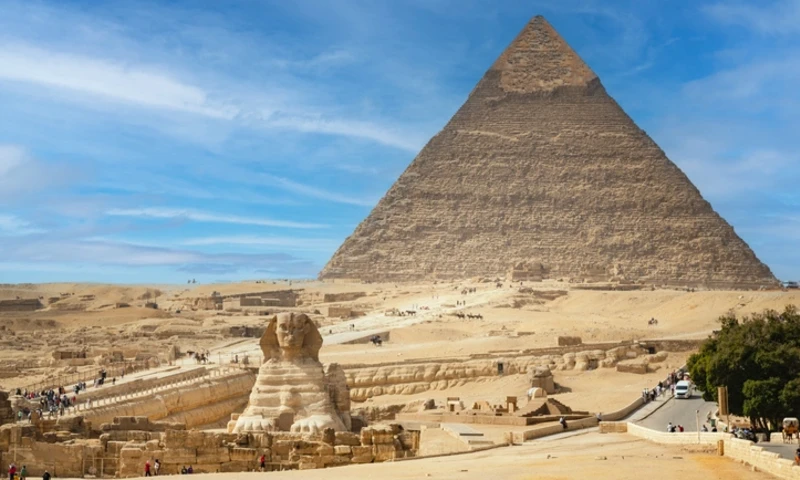
The Great Sphinx is located at the bottom part of the archaeological site. It is a recumbent lion with a human head. It is most commonly associated with Pharaoh Khafre and his pyramid complex.
Nearby structures to the Sphinx such as the Sphinx Temple and the Valley Temple of Khafre help to place the massive sculpture in the architectural landscape of the Pyramid Complex of Khafre.
Valley Temple of Khafre
The Valley Temple of Khafre is near the Great Sphinx. The massive stone construction of the temple contrasts with the wide open space of the desert surrounding the pyramids.
The Valley Temple of Khafre also helps to explain the ceremonial architecture of a pyramid complex beyond the simple tomb of a king. See it in relation to the lower temple area and then to the pyramid complex of Khafre.
Why Were the Giza Pyramids Built?
The Pyramids of Giza, Egypt’s ancient marvels, were built during the Fourth Dynasty, around 2650-2575 B.C. as magnificent funerary monuments of the pharaohs. The Pyramids were an integral part of the royal burial complexes and also housed the temple(s) and the cult of the deceased ruler.
In addition to being especially useful for comparison with the Pyramids of Giza, Saqqara/Saqqara and its Step Pyramid of Djoser are evidence of an established pyramid-building tradition. And so the monuments of Giza do not represent a sudden leap in terms of monumental stone construction and, above all, in pyramid design.
A visit to the Step Pyramid of Djoser and Saqqara, a site near Giza, is especially useful. The Step Pyramid of Djoser was built in an early stage of the development of the pyramids and thus it gives a good insight into the history of the Fourth Dynasty.
In addition to these remains it is possible to see the capacity of the ancient Egyptian society to organize themselves. There are quarries and construction sites, workers’ villages and temples, tombs and others of a related nature.
How Should You Plan a Visit to the Giza Plateau?
Should You Go Inside a Pyramid?
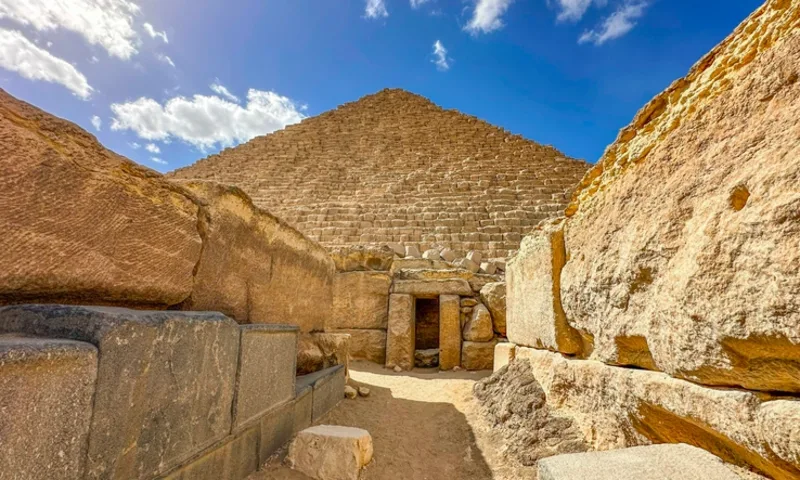
This is an external view of the monuments. Seeing them from the outside is a different experience to going inside a pyramid for example. A primary focus of an external view of the monuments is to gain insight into their architecture, scale and the archaeological context of them. You can also gain insight into the relationship between individual structures and as a whole the plateau on which they are situated.
Access to the interior of a specific pyramid, through the respective passages and chambers, is granted when possible. However, information on access, tickets and time of opening are only valid for the specific date of the visit.
What Should You Focus on While Visiting?
What Else Can You Visit Near the Pyramids?
The Giza area of the Greater Cairo area has become a travel destination where visitors can visit ancient relics and then travel to a nearby museum where artifacts and relics are on display and part of a larger historical travel area to learn about all of the history of ancient Egypt.
See the Grand Egyptian Museum Guide for more details on how to visit the museum as part of a day of sightseeing including the Giza monuments.
Travelers building a longer archaeological itinerary can also continue to Saqqara, where the Step Pyramid of Djoser represents an earlier chapter in monumental stone architecture. Those planning beyond Cairo can compare Egypt tour packages that connect Giza with destinations elsewhere in the country.
FAQs
1- What are the three main Pyramids of Giza?
The three principal royal pyramids were built for the pharaohs Khufu, Khafre, and Menkaure. They form the central monuments of a much larger archaeological and funerary landscape.
2- What is included in the Giza Plateau?
The Giza Plateau includes the three principal pyramids, subsidiary structures, temples, tombs, causeways, the Great Sphinx, and other archaeological remains. Seeing these elements together helps explain how the royal necropolis functioned as a connected complex.
3- Can you go inside the Pyramids of Giza?
Interior access may be available for designated pyramids with the appropriate ticket. Because access and ticketing arrangements can change, visitors should confirm current conditions before their visit.
4- Is the Great Sphinx part of the Giza pyramid complex?
Yes. The Great Sphinx stands within the Giza archaeological area and is generally associated with Khafre's complex. Its location near the Sphinx Temple and Valley Temple makes it an important part of understanding the wider site.
5- What other archaeological site should you visit after Giza?
Saqqara is a natural complement to Giza because its Step Pyramid of Djoser represents an earlier phase of Egyptian pyramid development. Visiting both sites provides a clearer view of how royal monumental architecture evolved.