

Introduction
Aswan is a city with many activities to offer, which go far beyond the Archaeological Sites of Aswan. Situated in the south of Egypt, along the Nile River, Aswan includes temples, quarries of red granite, islands, Nubian culture and much more.
While touring Aswan, the city of temples and archaeological sites, one can enjoy a lot of other activities along the Nile. A felucca can be rented and leave from the islands, where the archaeological sites are located. A boat can be rented to go to places like Philae Temple.
As a city in historic Nubia, Aswan can offer the visitor a different experience of Egypt’s history, and of its culture, than that found in the other two main cities, Cairo and Luxor. The different aspects of a stay in Aswan can be well organized and balanced.
Travelers planning to continue north through Upper Egypt can also connect their stay with Egypt Nile cruises operating between Aswan and Luxor.
Table of content:
Which Aswan Attractions Should You Prioritize?
- Philae Temple on Agilkia Island
- Unfinished Obelisk
- Nubian Museum
- Elephantine Island
- Nubian villages and cultural areas
- Aswan Botanical Garden
- Nile felucca sailing
- Aswan High Dam
- Abu Simbel as an excursion from Aswan
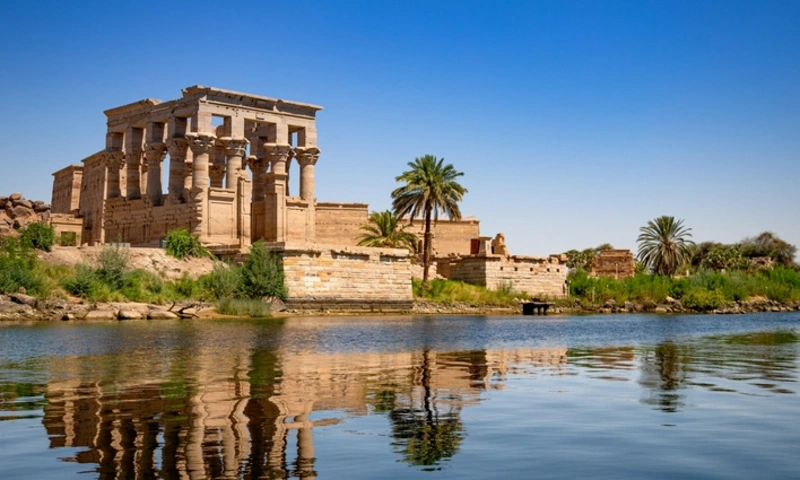
Philae Temple
Unfinished Obelisk
What Can You See Along the Nile in Aswan?
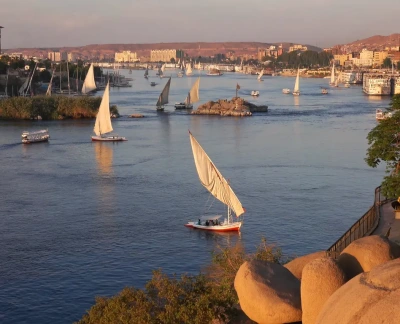
Getting around to see the main sights in Aswan is best done by taking a trip along the Nile River. There are so many great things to see and do while on the river, including some of the best things to do in Aswan, such as taking a Felucca trip down the Nile to explore some of the River’s many Islands, Granite formations, cultivated Riverbanks and traditional Sailing Boats.
Elephantine Island
Moving on to the Elephantine Island, the largest of Aswan’s Islands, Elephantine Island is situated in the center of the Nile, opposite modern Aswan, and has a long history that spans thousands of years of human development on the island and in the surrounding area.
Crossing the river to Elephantine Island gives the impression of being miles away from the Aswan city center. It is a completely different experience to the remits of the city’s major roads and of its many monuments and archaeological sites.
Aswan Botanical Garden
The Aswan Botanical Garden is located on Kitchener’s Island in the center of the Nile. It is a lush green oasis in the midst of granite, desert and river. It is a haven from the usual archaeological sites, and as such a great place to take a break from sightseeing.
As you sail to the island in a felucca you can leave the archaeological sites behind for a while. After a while of walking through the plants and admiring the views of the River Nile you can return to the archaeological sites for more sightseeing.
Felucca Sailing
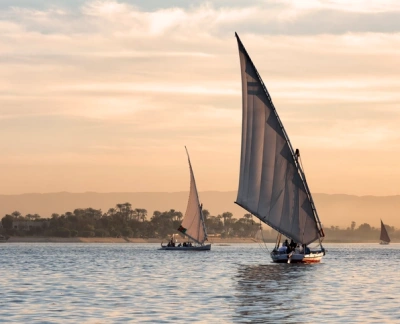
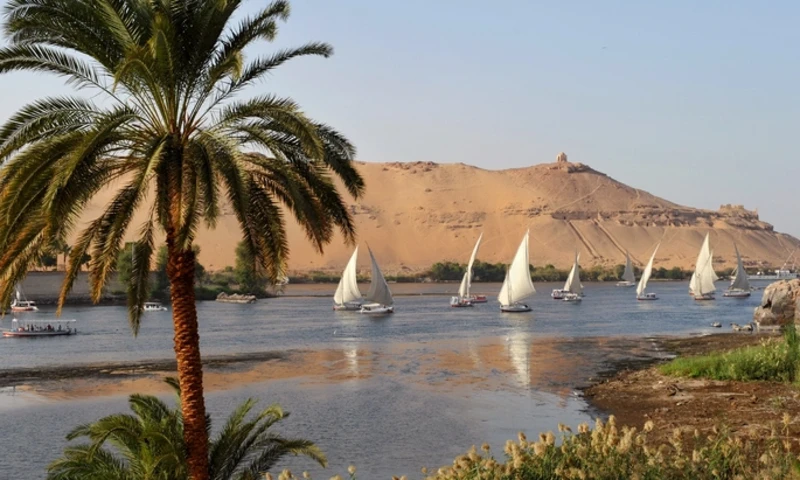
The felucca is the traditional sailing boat of the Nile and it is still possible to travel up and down the river in them. Felucca sailing is a very simple way of seeing just how a town and city can be dependent on a river.
You can travel as a felucca on a tour and explore the town of Aswan from the water side instead of staying on land and visiting the many monuments of Aswan. In fact, you can see and learn a lot about the following sites like Elephantine Island, and the cultivated river banks on the opposite side of the Nile when traveling as a felucca. The routes of the feluccas are changing from time to time, so it is best to arrange the day before and ask for the most up to date route and time.
How Does Nubian Culture Shape Aswan?
Aswan is based in the region of Nubia, and it is Nubia’s history and culture that is perceived in Aswan’s local communities, museums, in architecture, in local crafts and even in local languages and traditions.
Travelers interested in the history of cultures and also of archeological sites would want to spend more than a day in Aswan.
Nubian Museum
The Nubian Museum in Aswan helps to explain the history of Nubia and the landscapes of the cultures of southern Egypt and northern Sudan.
There are more historical artifacts in the museum’s collections than those found in the Pharaonic sites in Aswan. A visit to the museum, before or after visiting a Nubian area in Aswan, helps understand Aswan’s history better.
Nubian Villages
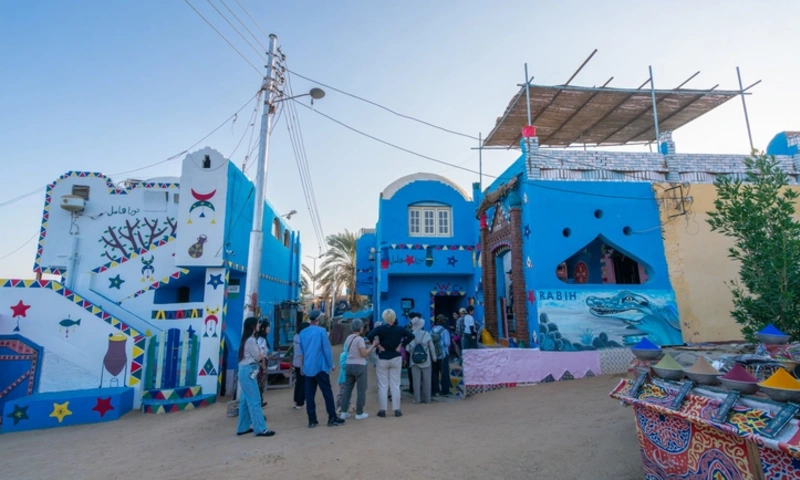
Nubian Communities are normally visited by boat around Aswan. The village consists of Colorfully Painted Houses which are known worldwide as the main feature of Nubian Architecture. But there’s so much more to a Nubian Village than just Houses. It’s the people and their traditions that make the real interest of a visit to any Nubian Village.

What Day Trips Can You Take from Aswan?
Aswan works well as a base for archaeological excursions farther south. The most prominent is Abu Simbel, while Lake Nasser and other sites in the region can form part of longer southern Egypt itineraries.
Abu Simbel
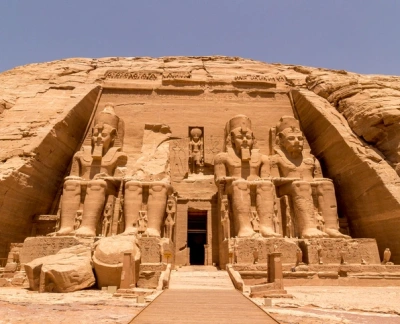
The temples of Abu Simbel were commissioned by Ramesses II and carved into rock near Egypt's southern frontier. The larger temple is associated with Ramesses II, while the smaller temple is dedicated to Queen Nefertari and the goddess Hathor.
Their modern history is closely tied to one of archaeology's major preservation efforts. The temples were dismantled and reconstructed on higher ground to protect them from the rising waters associated with Lake Nasser.
Aswan High Dam and Lake Nasser
The Aswan High Dam is closely connected with the modern transformation of the Nile in southern Egypt and the creation of Lake Nasser.
A visit provides useful context for understanding why major archaeological rescue projects became necessary in the region. Sites such as Philae and Abu Simbel are easier to appreciate once their relocation is understood within this wider modern history.
How Should You Plan Your Time in Aswan?
The easiest way to organize Aswan sightseeing is to group experiences by geography. Philae Temple and the Unfinished Obelisk can form the archaeological core of one sightseeing period, while islands, Nubian areas, and felucca sailing work naturally around the Nile.
Travelers with additional time can include the Nubian Museum, Botanical Garden, High Dam, or a longer excursion to Abu Simbel. Trying to compress every site into one continuous circuit can reduce the value of the river journeys and cultural experiences that distinguish Aswan from other Egyptian destinations.
Aswan also forms one end of the classic Upper Egypt cruise route. Travelers continuing north can sail toward Kom Ombo, Edfu, and Luxor, while those building a broader land itinerary can compare Egypt tour packages combining Aswan with other regions.
FAQs
1- What are the best things to do in Aswan Egypt?
The main things to do in Aswan Egypt include visiting Philae Temple, the Unfinished Obelisk and Nubian Museum, sailing on the Nile, exploring its islands, and learning about Nubian culture. Abu Simbel can also be visited as a separate excursion from the city.
2- What are the main Aswan attractions for first-time visitors?
The principal Aswan attractions include Philae Temple, the Unfinished Obelisk, Nubian Museum, Elephantine Island, the Nile islands, and the Aswan High Dam. Travelers with more time can add a Nubian cultural visit or an excursion to Abu Simbel.
3- Is Philae Temple in Aswan?
Philae Temple is located on Agilkia Island near Aswan and is reached by boat. The temple complex was relocated from its original island as part of an international preservation project.
4- Can you visit Abu Simbel from Aswan?
Yes. Aswan is commonly used as the base for excursions to Abu Simbel. Because the temples lie well south of the city, the visit should be planned as a dedicated excursion.
5- Can you take a Nile cruise from Aswan?
Yes. Aswan is one of the main starting or finishing points for Nile cruise routes through Upper Egypt. Typical routes connect Aswan with Kom Ombo, Edfu, and Luxor.