Menu
All blogs

Egyptian Blog

Things to See in Luxor Egypt: Complete Luxor Travel Guide

Introduction

Luxor offers the widest range of sights to see for travelers who are interested in learning more about ancient Egypt. On both sides of the Nile River, ancient temples, tombs of kings and monuments abound in a wide expanse of land that was once the heart of ancient Thebes.

The East Bank of the Nile, where the visitor first arrives, is home to Karnak Temple and to Luxor Temple. Both of these huge religious complexes were in the heart of ancient Thebes, and they are today in the heart of modern Luxor. The West Bank of the river is where the visitors go to see the royal and private necropolises of Thebes – the Valley of the Kings, the Temple of Hatshepsut at Deir el-Bahari, and the huge Colossi of Memnon.

Luxor is better seen as a number of archaeological sites spread out over the two banks of the Nile. Seeing the sites on both sides in relation to each other will make for easier planning and give better understanding of the individual sites.

Travelers continuing along the Nile can also connect time in the city with Egypt Nile cruises, many of which operate between Luxor and Aswan.

Essential Luxor Attractions to Know Before You Visit

For a full appreciation of Luxor’s many historical sites the places to visit can be split into the East Bank of the Nile and the West Bank. The East Bank sites highlight the many ceremonies and functions that were carried out by the ancient inhabitants of Thebes in their main places of worship. The West Bank sites contain many of the Funerary religion landscapes of the ancient inhabitants of Thebes.
Among the main places to consider are:
 
  • Karnak Temple complex
  • Luxor Temple
  • Avenue of Sphinxes
  • Valley of the Kings
  • Temple of Hatshepsut at Deir el-Bahari
  • Colossi of Memnon
You cannot see all the main Luxor attractions in one day and have them mean something. The best way to see the main Luxor attractions is to read about the different sites first. Then when you see them you can really appreciate them.
 

Karnak Temple Complex

 
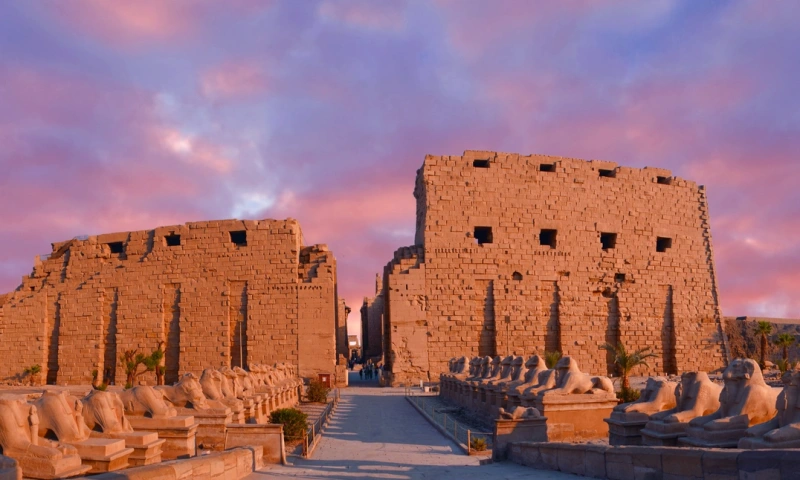
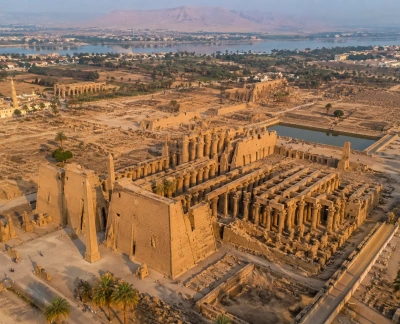
Karnak developed into a huge complex over many centuries and became the main place of worship in ancient Egypt’s Thebes. Rather than a single building, the site is made up of a succession of pylons, courts, sanctuaries, chapels, obelisks, and columns, added to by different pharaohs, some just making changes to what was already there.
 
The most famous part of the site, The Great Hypostyle Hall, contains many massive columns, which are spread out over a large area. Walking through the Hypostyle Hall and taking in the sheer scale of the architecture here really does hit home the huge ambition of the ancient Egyptians in building this complex. There are many reliefs and inscriptions on the walls here, detailing the way the temple was used and highlighting the religious and royal claims of the pharaohs of Thebes.
 
The site of the great temple complex of Karnak, with its very many buildings and structures of all kinds and of every period of ancient history, is a big site which needs time to visit and understand, even just to get round the various spaces of the complex to understand the general layout, let alone to take in the very considerable numbers of ancient remains of every kind here. On first visit it is best to take in the various spaces in turn.


Luxor Temple

 
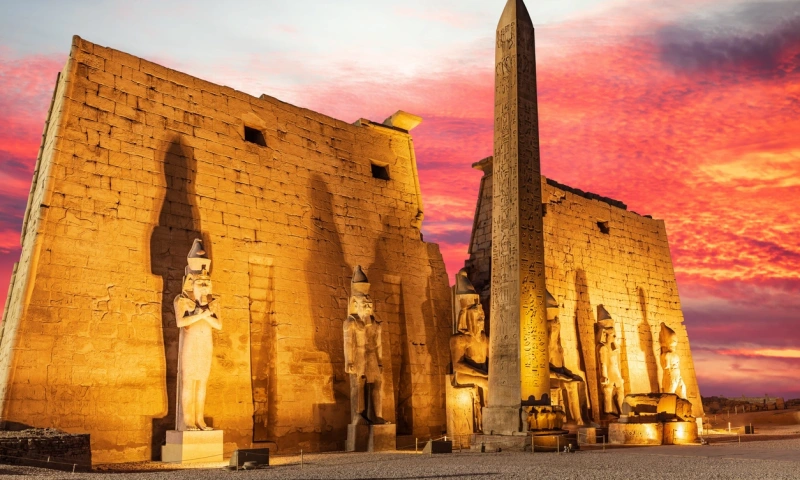
The Luxor Temple, unlike the temples of the Karnak Temple complex, is located near the city of Luxor and thus is able to give a completely different experience of ancient Egyptian history. The temple of Luxor is a large complex and contains a number of courtyards, colonnades, statues, and a large gateway, which were all added during the various periods of ancient Egyptian history.
 
The Luxor Temple is a great place to learn about the ceremonies of the ancient Thebes. It is also good to know that the Luxor Temple is in close relation to the Karnak Temple Complex. In fact, the Avenue of Sphinxes led from the Luxor Temple to the Karnak Temple Complex. Visiting both temples within a short space of time is more meaningful than visiting two separate and unrelated monuments.
Karnak Temple Luxor wide, Things to See in Luxor Egypt
Karnak Temple Luxor wide

What Are the Main Things to See in Luxor Egypt on the West Bank?

Things to See in Luxor – Cross the Nile to the West Bank. A number of sites of significance are to be found on the West Bank of Luxor’s Nile, a landscape that has long been associated with the funerary sites of Pharaonic burials, desert cliffs and valleys where a succession of royal tombs, and other mortuary temples have been found as archaeological remains.
 
You will notice immediately the contrast with the East Bank of the Nile where Luxor is situated. Here instead of the center of a living city with its temple precients in monumental style, the landscape of the West Bank of the Nile leads through the drier archaeological remains of tombs and temples which were positioned in the hills surrounding the Valley.


Valley of the Kings

 
The Valley of the Kings – Royal Tombs from the New Kingdom, Buried in the Valley. It was here in Egypt’s West Bank desert that many of the country’s New Kingdom rulers were given their final resting places. These tombs were carved out of the rocky valley sides unlike the large stone Pyramids of the earlier Dynasties which were constructed on the outskirts of the capital.
 
Religious scenes painted and carved in the rock face of the tombs’ passageways and chambers include scenes to help aid the deceased on their journey through the afterlife. Access to tombs can vary and sometimes there may be a separate charge for entering a tomb; it would be wise to check in advance for the most up to date information on each tomb.
 
When visiting the tombs, you should look at the tomb’s artwork and try to see it in the religious program that it was supposed to be a part of.


Temple of Hatshepsut

 
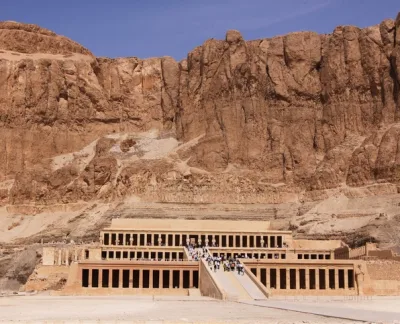
The mortuary temple of Queen Hatshepsut at Deir el-Bahari is immediately recognizable because of its terraces, ramps, and colonnaded architecture set against the cliffs of the West Bank.
 
The temple is an open construction, unlike that of the temples on the East Bank such as the Temple of Karnak. The architecture here is designed to fit in with the surroundings, the terraces and ramps forming a strong relationship with the surrounding cliffs of limestone.
 
Some of the finest reliefs recording the ceremonies of this Queen and also her life on earth were erected at Deir el-Bahari, Mortuary Temple of Hatshepsut, and explain why this funerary temple became so very special to Theban funerary landscapes of all periods.


Colossi of Memnon

 
The Colossi of Memnon are two massive seated stones of Pharaoh Amenhotep III. Originally he would have been sitting in the center of his very large funerary temple. Today they are left sitting by the side of the West Bank road and are easily seen by passing visitors.
 
The two Colossi are an impressive sight and in fact are the only remains of a very large temple complex, that of Amenhotep III’s mortuary temple, which was far greater than the remains we see today.
Luxor Temple Egypt evening, Things to See in Luxor Egypt
Luxor Temple Egypt evening

How Should You Plan Your Luxor Sightseeing?

When we organize a Luxor itinerary, it is better to group nearby sites. This will reduce the amount of time that you spend getting from site to site, and also give you a better sense of the historical relationships between the various sites.

The East Bank can include the two main archaeological sites in Luxor, the temples of Karnak and Luxor. The West Bank would include the Valley of the Kings, Hatshepsut’s Temple and the Colossi of Memnon.

Additional time can be used to explore the many archaeological sites that are found in Luxor beyond the typical sites of the Valley of the Kings and the Temples of Hatshepsut and Karnak. There are many other sites found throughout the city and surrounding area.
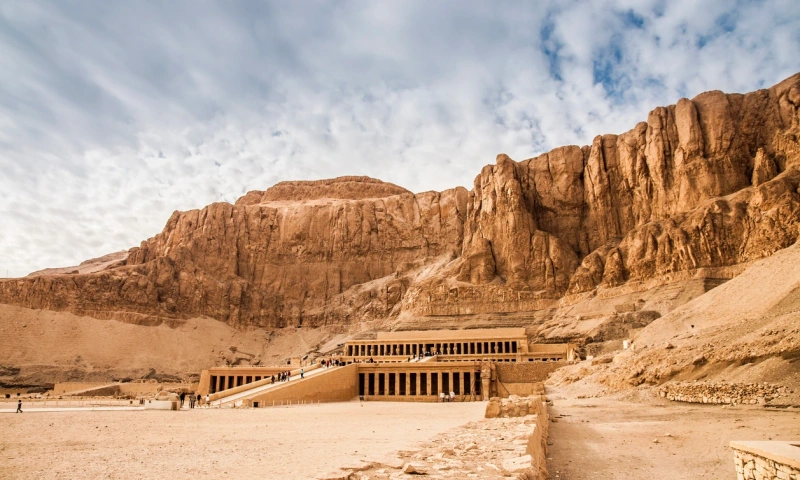
Valley of the Kings Luxor panorama, Things to See in Luxor Egypt
Valley of the Kings Luxor panorama

How Much Time Should You Allow?

Of course, every traveler will be visiting archaeological sites at their own speed. History enthusiasts will, of course, want to spend more time in individual tombs or explore in greater detail the structures of temples and archaeological areas that are less well known.

Separating the East and West Banks of the Jordan River rather than trying to list all of the archaeological sites in a continuous list for each side of the river provides a better experience for the traveler.

What Should You Look for at the Temples?

For me the smaller architectural features of a temple are often more telling of how it was used than the overall size. The progression from the space of the pylons to the courts, the columned halls and the sanctuaries themselves, as well as the changes in the column capitals, the style of the relief, the form of the inscriptions and the residual color, are all of significance.

Other forms of ancient architecture, like statues, obelisks, and even the paths which monarchs took, as well as paintings and reliefs of the same ruler presenting offerings to temples, can explain links between architecture, monarchy, and religion.
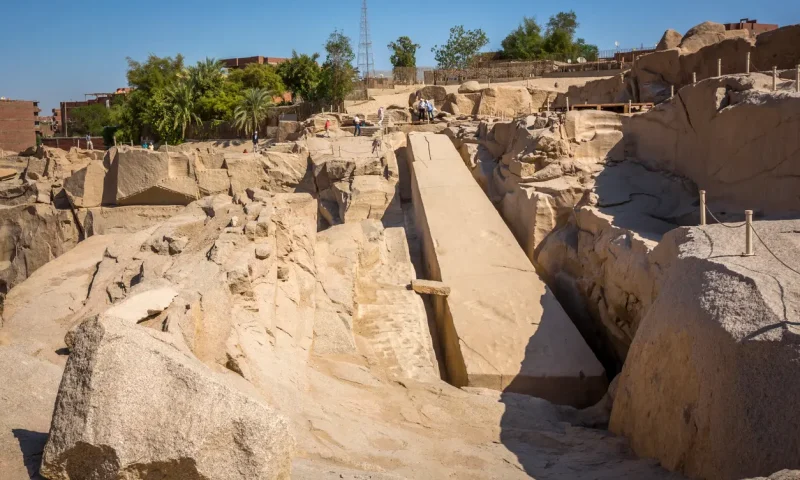
the unfinished Obelisk, Things to See in Luxor Egypt
the unfinished Obelisk

What Else Can You Experience Around Luxor?

The Nile is more than a geographical dividing line between archaeological sites. It remains central to the layout of modern Luxor and offers a completely different perspective on the city from the desert temples and tombs.

Cruise vessels regularly connect Luxor with Aswan, allowing travelers to continue through the Nile Valley toward sites such as Edfu and Kom Ombo. Those planning a broader itinerary can compare Egypt tour packages that combine Luxor with Cairo, Aswan, and other destinations.

A hot-air balloon flight is another activity associated with Luxor and can provide an elevated view over parts of the West Bank landscape. Availability and operating conditions should always be confirmed locally before planning it into a fixed itinerary.
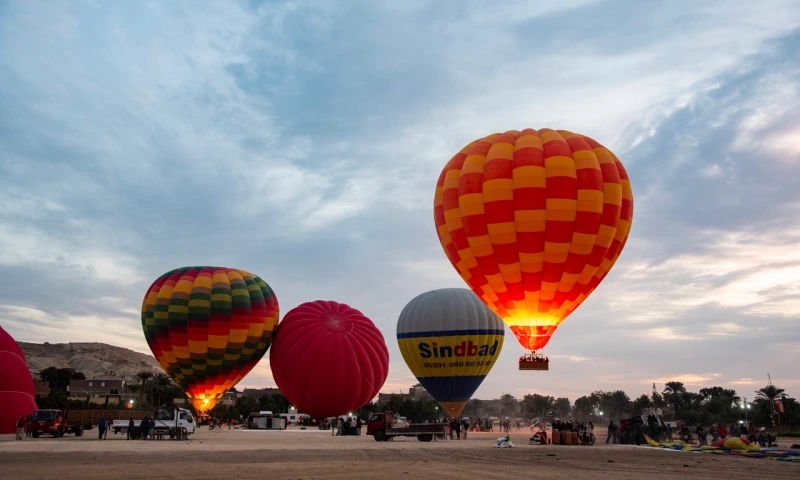
Luxor hot air balloon sunrise, Things to See in Luxor Egypt
Luxor hot air balloon sunrise

FAQs

1- What are the most important things to see in Luxor Egypt?

The main things to see in Luxor Egypt include Karnak Temple, Luxor Temple, the Valley of the Kings, Hatshepsut's Temple, and the Colossi of Memnon. Together they cover both the East and West Banks and represent religious, royal, and funerary aspects of ancient Thebes.


2- What are the main Luxor attractions on the East Bank?

The principal Luxor attractions on the East Bank are Karnak Temple and Luxor Temple, linked historically by the Avenue of Sphinxes. This side of the Nile was closely associated with the ceremonial and religious center of ancient Thebes.


3- What should you visit on Luxor's West Bank?

The Valley of the Kings, Temple of Hatshepsut, and Colossi of Memnon form the core West Bank circuit. The wider area also contains additional tombs, temples, and archaeological sites.


4- Is Luxor Temple the same as Karnak Temple?

No. They are separate temple complexes located on Luxor's East Bank. They were historically connected by a ceremonial processional route now known as the Avenue of Sphinxes.


5- Can Luxor be combined with a Nile cruise?

Yes. Luxor is a major starting or finishing point for Nile cruise routes connecting the city with Aswan and intermediate temple sites such as Edfu and Kom Ombo.

Contact our Egypt Travel Experts

Reach out to us to get all your questions about Egypt tours answered!

Write a Message

Travel expert assisting a customer
Trans Travel
Welcome to Trans Travel

Sign in or create an account to book this trip

No account?

Enter your account email and we'll send you a link to reset your password.

Remembered your password?

A verification code was sent to

Wrong email?

One more step — add your phone number to finish creating your account for

Already have an account?