Introduction
Located just north of Dahab where the Sinai Mountains meet the Red Sea, is one of Egypt’s most amazing diving sites. Renowned for its clear blue waters and magnificent coral and marine life, Blue Hole Dahab Egypt is a popular dive site for people all over the world.
Whether you are an expert diver or are just interested in learning more about diving, then Diving in Dahab is a great way to experience another fascinating side to Egypt. In addition to being famed for its diving, the Blue Hole is also a stunning location for appreciating the natural beauty of the Sinai Peninsula.
Explore more of Egypt with our Egypt Travel Packages.
Table of content:
What Makes the Blue Hole in Dahab So Special?
The Blue Hole is a stunning example of underwater geology and is set along the beautiful Red Sea coast in Egypt.
Where Is the Blue Hole Located?
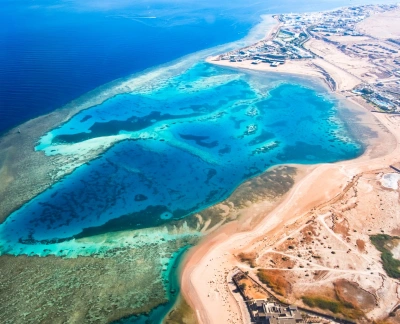
Around 10km north of Dahab City, the Blue Hole is situated on the east side of the Sinai Peninsula. It is found above the Gulf of Aqaba and is easily reached by car from Dahab. The drive includes views of dramatic coastal scenery where rugged mountains meet the sea.
Unlike many other coastal diving sites, the Blue Hole can be reached from land. There are small cafes and local amenities in the area which provide a pleasant setting for divers to unwind and relax.
How Was the Blue Hole Formed?
This is a natural cave system which has been formed within the coastal reef. Its unusual form results in a beautiful visual effect, as the bright, clear waters that encircle the Blue Hole stand in stark contrast to the deep blue hue of its interior.
Whilst the Blue Hole is around 100m in depth, in places it is considerably deeper than the depths that can usually be dived for leisure purposes.
Gradually, the reef has evolved to become a diverse and thriving environment. It provides a home for many tropical fish and sea life species.
Why Is the Blue Hole Famous Worldwide?
Blue Hole Dahab Egypt is renowned worldwide due to the superb water clarity and the impressive rock laced reefs and geological features.
Furthermore, the site is famed for its deep underwater ‘Arch’ which links the Blue Hole to the sea. This is related to technical diving and so divers need specific training, gear and organisation in order to explore it.
Generally, the easily-attainable reef sections are sufficiently beautiful to satisfy most people.
What Can You Experience While Diving at the Blue Hole?
There are various diving experiences available and these will vary according to a person’s level of qualification, as well as their interests and confidence in the water.
What Makes Diving Here Unique?
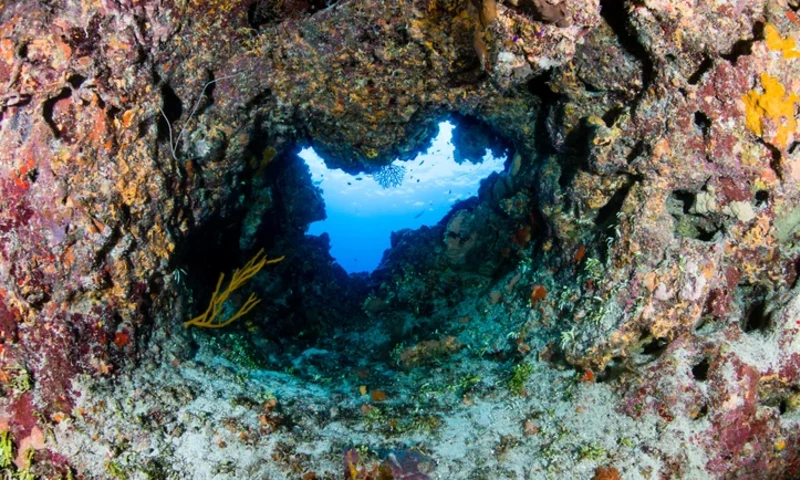
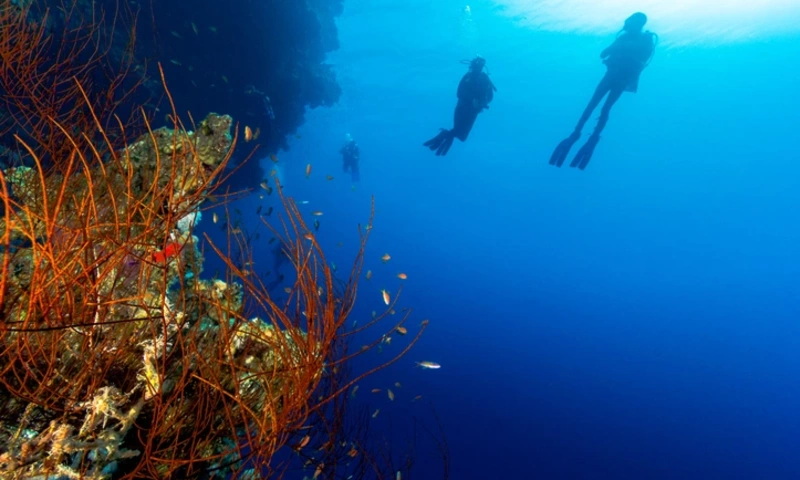
From the coast, divers can dive on reefs. Within the Blue Hole there are magnificent reef formations together with an abundance of marine life. There is also a stunning difference between the corals of the upper part of the water and the deep blue colour of the deeper sections.
Qualified diving tutors in Dahab advise tourists on which diving experiences they can undertake, according to their level of qualification and experience. Recreational divers can then dive on marked reefs and remain within their level of competence.
What Is the Famous Arch of the Blue Hole?
This is a natural tunnel which lies at great depth below the water’s surface. Its spectacular rock formations have greatly enhanced the global standing of the Blue Hole. Unfortunately, the Arch cannot be dived by the general public as it presents highly technical and potentially dangerous diving conditions, even for experienced divers.
Whilst people do not need to dive to the Arch itself to recognise its importance, the reefs in the area provide highly enjoyable diving experiences at much more easily attainable depths.
Can Beginners Dive at the Blue Hole?
Novices must always undertake activities that have been approved by qualified diving personnel. Depending on both prevailing conditions and a person’s level of competence, there may be shallow reef dives that are suitable for novices. Nevertheless, neither the deep Blue Hole nor technical diving routes are suitable for novices.
Alongside the Blue Hole, there are other diving sites in Dahab where novices can further build up their diving skills. To really experience Egypt, why not link your Red Sea diving holiday with a visit to some of the country’s amazing sights? Discover more about our Egypt Vacation Package.
What Marine Life Can You See at the Blue Hole?
The reefs surrounding the Blue Hole are part of the Red Sea's diverse underwater ecosystem, offering fascinating encounters with marine life.
Which Fish Live Around the Coral Reefs?
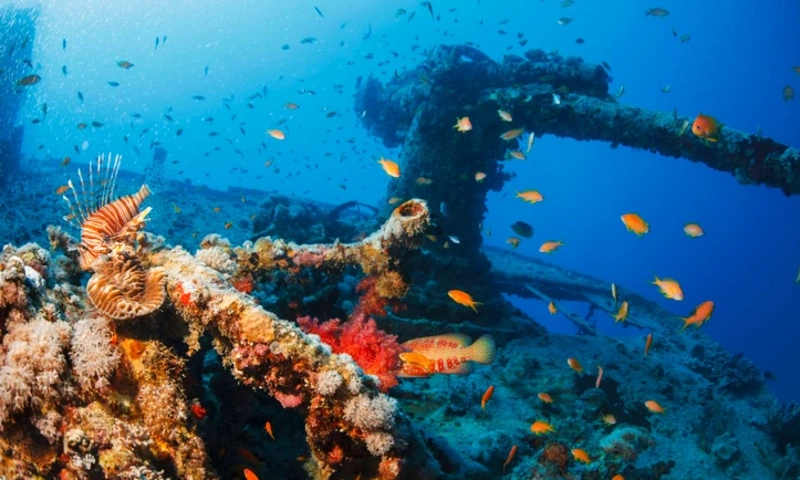
The Blue Hole is also surrounded by a range of corals and is part of the rich marine environment within the Red Sea. Many types of fish can often be seen swimming around the corals. Butterflyfish, angel and parrot fish and colourful anthias are typically found in the Red Sea. Moray eels and various other marine species can also be seen sheltering in rock pools.
Every visit is unique as the sea life can be affected by factors such as the sea state, time of day and behaviour of marine animals.
What Types of Coral Can You Discover?
Besides hard corals, there are also soft corals within the Blue Hole’s marine environment. These can take on a number of different forms – for example, tree-like, rounded or intricate shapes.
Many sea creatures utilise corals for both food and shelter. It is important that tourists do not touch or walk upon the coral and refrain from interfering with marine life so as to protect this sensitive environment.
Is the Blue Hole Good for Snorkeling?
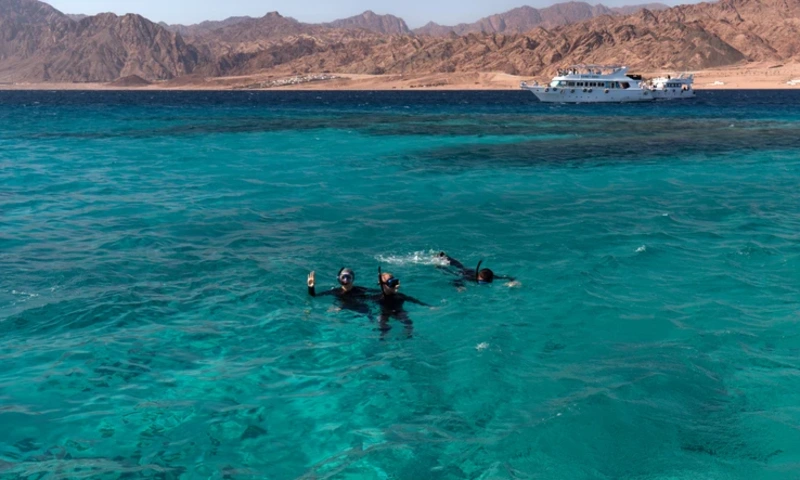
In addition to deep sea diving, tourists can also snorkel to appreciate the Blue Hole’s beauty. On suitable days, people can snorkel along the outer shallower reefs and view the reef and tropical fish from above.
Those wishing to further investigate Egypt’s marine environment can also visit Ras Mohammed National Park. This is another spectacular place which is also famed for its coral reefs and marine life.
When Is the Best Time to Visit the Blue Hole in Dahab?
Whilst it is possible to visit the Blue Hole in all seasons, each season has its own characteristics and what is ideal will depend on an individual’s tastes and also on the climate and sea state.
Which Seasons Are Best for Diving?
Both spring and autumn are favoured for diving as well as for general leisure purposes in Dahab. Generally these are pleasant seasons. During the summer people are keen to maximise their time in the water. Winter allows for a more tranquil environment. Again, divers should seek expert local advice regarding the state of the sea, water clarity and equipment that is suitable for a given season.
What Is the Best Time of Day to Visit?
Many tourists favour morning as it can offer a more tranquil setting. People can then take their time in preparing their equipment and meeting teachers. There is also ample opportunity to take in the views of the coast. Although, again, the Best Time for water sports will depend on the prevailing sea state. Experts can inform tourists of good times for both snorkelling and diving.
How Long Should You Spend at the Blue Hole?
Generally a half day is adequate for sightseeing and/or snorkelling and/or for a guided diving session. Those wishing to relax can extend their time at the coast, having drinks and taking in the views of the mountains. The Blue Hole can readily be incorporated within an Egyptian holiday and is especially suited to those with an interest in both nature and water sports; for example, to further investigate the Red Sea Beaches.
How Can You Plan a Safe and Enjoyable Blue Hole Visit?
As well as allowing you to fully enjoy a location, good planning will ensure that you also consider the environment and recognise the difficulties of diving.
How to get to Blue Hole?
Those travelling to Blue Hole Dahab Egypt can utilise local companies, hotels and organised tours to travel to and from the centre of Dahab. Alternatively, those staying in Sharm El Sheikh can make a day trip to Dahab or add it to an extended Sinai tour. Find out more about activities available in Sharm El Sheikh such as beach and desert pursuits, discover the Things to Do in Sharm El Sheikh, from coastal attractions to desert adventures.
What Should You Bring for Your Visit?
Appropriately loose clothing, swimming attire, sunscreen and water together with a towel are all good items to take. Snorkelling equipment should be both suitable and correctly fitted. Divers should source their equipment from a trustworthy diving company and present suitable evidence of their qualifications. It is also advisable to have a waterproof for taking photographs of the spectacular underwater world, with minimal impact on the environment.
What Safety Tips Should Divers Follow?
Due to the Blue Hole’s great depth and challenging features, it is a very impressive and therefore highly regarded area to dive. Ensure that you dive with a reliable diving centre, and adhere to the advice given by your instructor. In addition, divers must not exceed the scope of their qualification and experience. Furthermore, never undertake technical dives without the correct training and equipment.
Snorkellers too should endeavour to abide by local advice. People should only snorkel in appropriate locations and should also avoid doing so in poor conditions. Good planning therefore enables tourists to both enjoy and safely experience a location, as well as contributing to the preservation of the local environment.
Why Should the Blue Hole Be Part of Your Egypt Journey?
Little else in Egypt so successfully unites the stunning above and below water sights of both the Sinai and Red Sea. Offering everything from vibrant reefs and diverse sea life to tranquil beach settings, a Blue Hole visit will provide a highly enjoyable experience for a variety of people.
Regardless of whether you snorkel, are led on a diving tour, or merely wish to unwind near the water, a visit to this impressive place will enable you to further experience another intriguing facet of Egypt. To further explore Egypt and design an exceptional holiday, why not check out our Egypt Travel Packages.
FAQs
1. Where is the Blue Hole in Egypt?
The Blue Hole is located approximately 10 kilometers north of Dahab on the eastern coast of the Sinai Peninsula.
2. How deep is the Blue Hole in Dahab?
The underwater sinkhole reaches approximately 100 meters in depth, well beyond recreational diving limits.
3. Is the Blue Hole suitable for snorkeling?
Yes, suitable shallow reef areas offer snorkeling opportunities when sea conditions are favorable and local safety guidance is followed.
4. Can beginners dive at the Blue Hole?
Beginners should only participate in professionally supervised activities appropriate for their experience. Deep and technical diving routes are unsuitable for beginners.
5. Can you visit the Blue Hole from Sharm El Sheikh?
Yes, visitors can arrange a day trip from Sharm El Sheikh to Dahab and the Blue Hole through local tour operators.