Introduction
Whether you’re visiting famous temples or exploring traditional bazaars, in Egypt it’s very likely that you’ll have the opportunity to taste some local delicacies. Whether it be fresh balady bread, grilled kofta or a bowl of koshari being made in front of you by a vendor, Egyptian cuisine is a wonderful way to get to know more about the culture. As you travel from the busy urban city of Cairo to the homes of families in Upper Egypt, there is a wide variety of foods to try.
Traditional Egyptian foods have been passed down through many generations. Some dishes are simple and comforting, while others are made for special occasions. To make the most of your time in Egypt, take a look at our Egypt Travel Packages and allow some of the local food to give you an insight into the culture alongside the famous sights.
Table of content:
What Makes Egyptian Food Unique?
Egyptian food consists of a range of fresh vegetables, pulses, grains and spices. It is influenced by the geography of the region (Nile Valley and Mediterranean coastline), and the many cultures which have interacted with Egypt.
How Has Egyptian History Influenced Its Cuisine?
Egyptian food has been very important in Egyptian culture for thousands of years. Grains, vegetables, pulses and fish from the Nile were commonly eaten. Bread is especially significant in Egyptian cuisine, and is still a key part of meals in Egypt today.
Over time different cultures have brought new ingredients and cooking methods into Egyptian cuisine. Today, Egyptian food combines these influences to create unique dishes. To learn more about how farming and food have influenced everyday life in Egypt, see Life in Ancient Egypt.
Which Ingredients Define Egyptian Cooking?
Many dishes within Egyptian cuisine contain similar ingredients, but prepared uniquely. Many contain fava beans, lentils, rice, onions, tomatoes, garlic and fresh herbs. Spices such as cumin, coriander and black pepper are used in many dishes to give depth of flavour. Not all dishes are spicy.
Bread is also very significant in Egyptian cuisine. Baladi bread can be used to eat dips, or with grilled meats. This type of bread means that a simple breakfast can be very filling. The ingredients in Egyptian food give it a comforting feeling, and many dishes in Egyptian cuisine can be enjoyed by people of many dietary requirements.
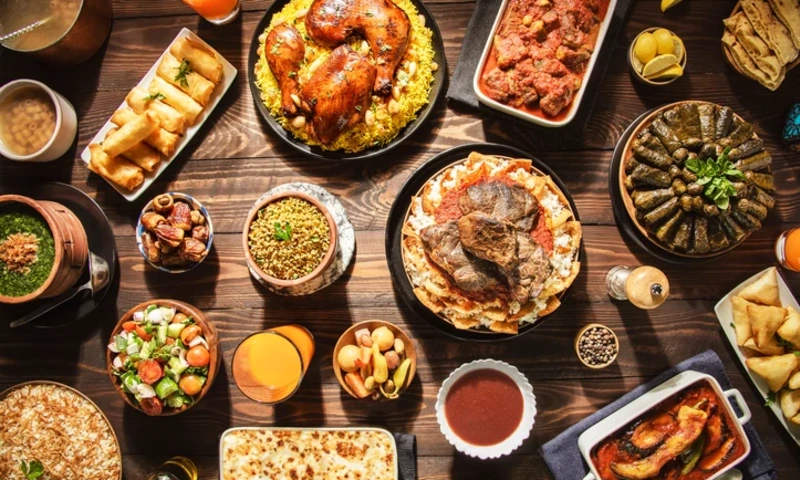
Which Traditional Egyptian Dishes Should Every Traveler Try?
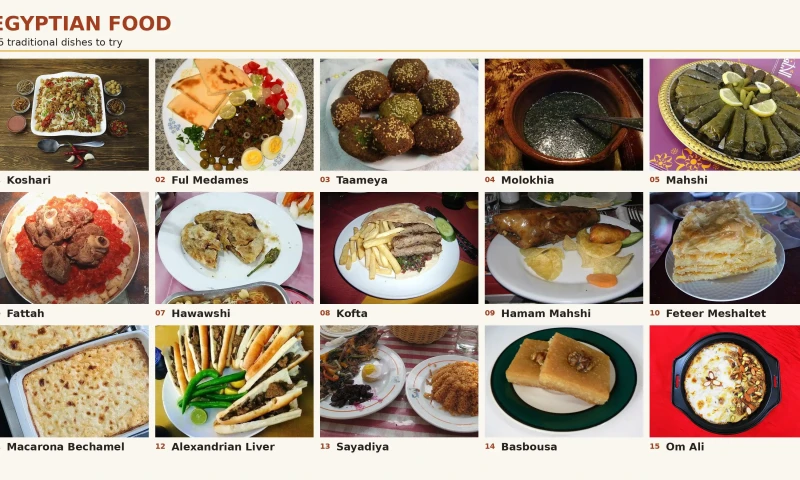
The best way to discover Egyptian cuisine is to start with the dishes locals enjoy regularly. Here are 15 foods that deserve a place on your culinary itinerary.
Koshari, Ful Medames, and Taameya
1. Koshari
Koshari is a very common dish in Egypt. It contains rice, pasta, lentils and chickpeas, and is served with tomato sauce, fried onions and a garlic vinegar. Some people also like to include a hot sauce. It is a very filling dish, and can be found cheaply in many specialist koshari restaurants across Cairo and other cities in Egypt.
2. Ful Medames
Ful medames is a common breakfast dish in Egypt. It is made from slow cooked fava beans, and can be seasoned with different ingredients, such as cumin, lemon juice, olive oil and more, depending on personal taste. It is often eaten with baladi bread and fresh vegetables.
3. Taameya
Egyptian taameya is similar to falafel, however it is traditionally made using fava beans. The mixture contains fresh herbs giving it a green centre, and once deep fried has a crispy exterior. Taameya is commonly eaten in bread, with a side of salad, tahini or pickled vegetables. These 3 dishes are very easy to try as a first time visitor to Egypt.
Molokhia, Mahshi, and Fattah
4. Molokhia
A green soup made from finely chopped jute mallow leaves. It is usually mixed with stock, and commonly includes garlic and coriander. Depending on the home or restaurant, it can be eaten with chicken, rabbit or other proteins, and with either rice or bread. It has a distinct texture, and is an important dish to make in Egyptian homes.
5. Mahshi
Mahshi is vegetables filled with spiced rice. Common vegetables to fill are courgette, aubergine, peppers, cabbage leaves and grape leaves. The rice filling usually includes tomatoes, herbs and spices, however the recipe can vary depending on the family. Mahshi is commonly eaten in social occasions within the home.
6. Fattah
A celebratory dish in Egypt, fattah is made with layers of rice and crisp bread, and is mixed with a tangy garlic vinegar. It is commonly eaten in family celebrations, and on Eid al-Adha. Due to the variety of textures, it is a very memorable dish for guests and those who like rich traditional dishes.
Hawawshi, Kofta, and Hamam Mahshi
7. Hawawshi
Hawawshi is a dish made by baking seasoned mince in Egyptian bread. It is often served with onions, peppers and spices. This is a great fast food option and a great choice for people looking to try some freshly cooked, tasty food.
8. Kofta
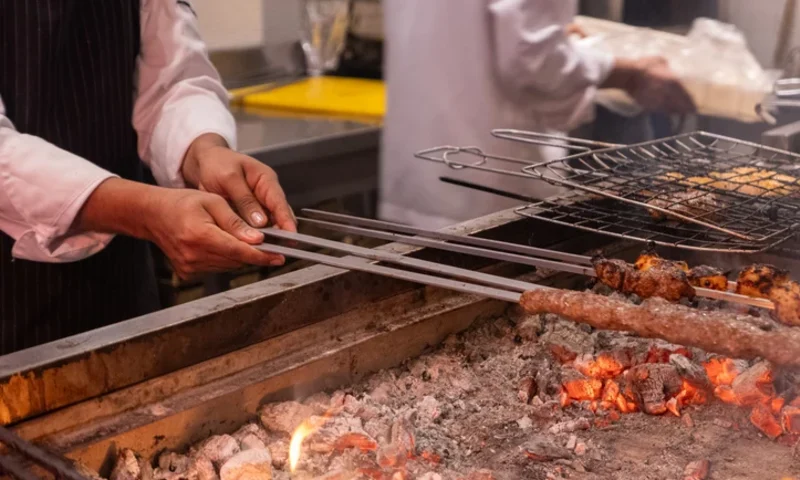
Kofta is made with seasoned mince and put on skewers. It is typically eaten with bread, tahini, salad and rice. As it is cooked on charcoal, it has a very smoky flavour. It is therefore a popular dish at traditional Egyptian restaurants.
9. Hamam Mahshi
Hamam Mahshi is pigeon that has been stuffed. It is traditionally filled with either freekeh or spiced rice. It is a special dish, and is commonly found in traditional Egyptian restaurants. If you are feeling adventurous, this dish is a great option to try as it is very typical of Egyptian celebration and hospitality.
Feteer Meshaltet, Macarona Bechamel, and Alexandrian Liver
10. Feteer Meshaltet
This pastry is very popular in Egypt and can be eaten with honey, cheese, molasses or other ingredients. This dish is common in rural areas of Egypt but can be found in lots of cities.
11. Macarona Bechamel
This is a baked pasta dish that contains spiced minced meat and a creamy bechamel sauce. It is very common in family meals in Egypt. It is very popular with tourists who love filling pasta dishes due to its crispy top and creamy centre.
12. Alexandrian Liver (Kebda Eskandarani)
This dish consists of slices of liver cooked with garlic, peppers, cumin and many other spices. It is commonly eaten in sandwiches, and is a very popular dish from Alexandria. It is a great example of the tasty street foods available in Egypt.
Sayadiya, Basbousa, and Om Ali
13. Sayadiya
Sayadiya is a fish-and-rice dish particularly associated with Egypt's coastal regions. The rice is typically cooked with deeply browned onions and spices, giving it a distinctive color and flavor. It's a wonderful choice when exploring Alexandria or other coastal destinations.
14. Basbousa
Basbousa is a semolina cake soaked in sweet syrup. Its soft, slightly grainy texture makes it one of Egypt's most recognizable desserts.Some versions include coconut or nuts, and it's commonly enjoyed with tea or coffee.
15. Om Ali
Om Ali is a warm Egyptian dessert made with layers of pastry, milk, sugar, and nuts.It's baked until the top becomes golden and the mixture turns creamy.Often served in restaurants and hotels, it's a comforting way to finish a traditional Egyptian meal.
These 15 foods provide a delicious introduction to Egypt, but they're only a starting point. Every region and family has additional specialties worth exploring.
Where Can You Find the Best Egyptian Street Food?
There are many street food options in Egypt. You can try many local dishes from bakeries, sandwich shops, small eateries and street vendors. These can be a great experience when visiting.
Local street food in Cairo
Cairo is a great place to try local Egyptian food. Koshari restaurants, sandwich shops, bakeries, ful/taameya places can all be found in Downtown Cairo. Local sweet, bread and drinks can be found in the surrounding areas of Historic Cairo. Khan el-Khalili is an interesting place to visit, with local food, markets, historic buildings and cafes all in one place. For more activity ideas in Cairo please see Things to Do in Cairo Egypt.
Seafood and local foods in Alexandria
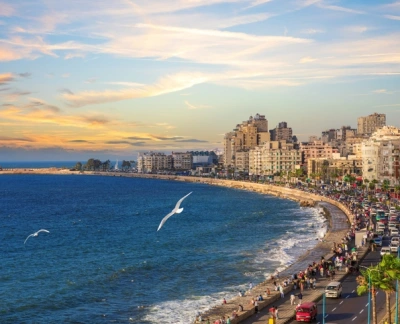
With Alexandria situated on the Meditteranean Sea, many seafood restaurants can be found. Grilled fish, prawns and sayadiya dishes are popular. Sandwiches with liver are a popular local dish to try. There are many bakeries and sweet shops in Alexandria, giving many opportunities to try local Egyptian sweet foods.
How to Eat Street Food Safely
Visit busy places to eat so that the food is regularly made and fresh. Check how ingredients are being handled, choose fresh food to eat and make sure that any water you drink is in a bottle or has been treated safely. If you have an allergy to certain ingredients, it may be worth knowing the names of these ingredients in Arabic and asking questions regarding them. If you have a local guide with you, they may be able to suggest popular places to eat, and explain new foods to you.
What Do Egyptians Eat During Ramadan?
Foods play a key role in Ramadan in Egypt. The Muslim population of Egypt does not eat or drink between sunrise and sunset. However, families and friends come together for the evening meal (iftar). If you visit Egypt in Ramadan, you can get a great insight into Egyptian culture. In the evenings, streets, restaurants and communities are very lively.
What is Eaten at Iftar?
Iftar is traditionally eaten at sunset. Dates and water are commonly eaten to begin the meal. After this, a wide variety of dishes are eaten, including: soups, rice, grilled meats, molokhia, mahshi and other popular dishes. Some households cook a large meal to share with family and friends. Similarly, many restaurants have special Ramadan menus. In communities, it is also a popular tradition to eat communal meals (mawa'id al-rahman). These are charity meals, to give people food to break their fast. Eating with others displays generosity, warmth and unity.
Popular Dishes for Suhoor
Suhoor is eaten just before dawn. Common and filling foods eaten in Egypt include ful medames, eggs, cheese, yoghurt and baladi bread. These are very common in breakfasts and therefore make a good option for Suhoor to keep people going during the fast. As a visitor, Suhoor is a great opportunity to see how common foods hold extra significance in Ramadan.
Popular Sweet Dishes
Many traditional sweet dishes are eaten in the evenings of Ramadan. One of the most popular is Kunafa. Depending on the style, Kunafa can be a pastry made of very thin strands or made from semolina. It can be filled with cream, nuts or other ingredients. Qatayef are small pancakes with sweet fillings. They can be fried or prepared in other traditional ways.
Popular sweet dishes also include Basbousa and zalabya. Drinks such as karkadeh, tamarind and qamar al-din are also very popular in Ramadan, and are commonly served. If you visit Islamic Cairo in Ramadan, you will get a very celebratory atmosphere in the evenings. The streets are lit up and surrounded by historic buildings.
Things to Consider as a Visitor
Some businesses may have changed opening hours. If you plan your meals and sightseeing according to local opening times, you can get the most out of your visit comfortably.
How Can Travelers Experience Egyptian Food Culture?
Eating local food will give you greater insight into local culture and traditions, as well as helping you get to know the character of different places in Egypt.
Local Breakfast
A great way to get a taste of local culture in Egypt is to try a local breakfast. Ful medames, taameya, egg, cheese, fresh vegetables and baladi bread are all traditional Egyptian breakfast items. You can try these in small local restaurants, or in more comfortable cafes. You will also be able to try some local Egyptian tea and get a taste for local life.
Local Markets
By visiting a local market you can get an insight into the variety of ingredients used in Egyptian cooking. Spices, fresh herbs, vegetables, dried foods and traditional sweet treats can all be found on sale. In Cairo, visiting markets in the historic areas is a great way to combine food with sightseeing. The older areas of Cairo are very rewarding to visit if you enjoy walking, taking pictures and getting to know local culture. To get a broad insight into these areas, take a look at the Cairo City Travel Guide .
Combine with Tours in Egypt
Even without a food specific tour, you can get a great taste for Egyptian foods by including local eating experiences in an otherwise varied itinerary. For example, you could try koshari in Cairo, traditional dishes in Luxor, and Nubian inspired foods in Aswan. If you want to visit multiple destinations, the Egypt Cairo to Luxor Tour allows you to visit two of the most famous cultural centres in Egypt. The food experiences can be easily adapted to suit the sightseeing, allowing you to really get into the atmosphere of each place.
Why Include Egyptian Food in your Egypt Holiday?
Trying local food in Egypt can give you a personal insight into local culture. Eating koshari, freshly baked feteer or traditional desserts from Ramadan can give you a greater understanding of Egyptian culture than simply seeing the sights. Due to the wide variety of traditional Egyptian foods there is something to suit everyone.
From vegetarian street foods to grilled dishes and sweet pastries, there is something for everyone. Whether you are visiting markets in Cairo, dining in Luxor or finding out more about local traditions in Ramadan, trying local Egyptian foods can be one of the highlights of your trip. If you are visiting Cairo, going on a Nile cruise, visiting Luxor and spending some time at the Red Sea, take a look at the Egypt Vacation Package for inspiration.
FAQs
1. What is the most famous Egyptian food?
Koshari is one of Egypt's most famous dishes. It combines rice, pasta, lentils, chickpeas, tomato sauce, and crispy onions.
2. What is Egypt's traditional breakfast?
A traditional Egyptian breakfast often includes ful medames, taameya, baladi bread, eggs, cheese, and fresh vegetables.
3. Is Egyptian food spicy?
Most Egyptian dishes are aromatic rather than extremely spicy. Hot sauces and chili can often be added according to personal preference.
4. What food is popular during Ramadan in Egypt?
Popular Ramadan foods include mahshi, molokhia, grilled meats, kunafa, qatayef, and traditional drinks such as karkadeh and qamar al-din.
5. Can vegetarians enjoy traditional Egyptian food?
Yes. Koshari, ful medames, taameya, and many vegetable dishes offer excellent options, although visitors should check ingredients and cooking methods.