Introduction
Picture walking across open desert and spotting a curved line of vertebrae beside the path, far from the nearest sea. That’s the quiet surprise of Wadi El Hitan, a protected corner of Egypt’s Western Desert where early whales were buried roughly 40 million years ago and where their skeletons still rest in the sand.
Table of content:
- Wadi El Hitan Egypt and the Secrets of Whale Valley
- What Makes Wadi El Hitan One of Egypt’s Most Remarkable Places?
- Why Is Wadi El Hitan Known as the Valley of the Whales?
- What Can You Discover at Wadi El Hitan?
- Why Is Wadi El Hitan a UNESCO World Heritage Site?
- How Can You Plan a Visit to Wadi El Hitan?
- FAQs
Wadi El Hitan Egypt and the Secrets of Whale Valley
Imagine walking through the open desert and stumbling upon an unusual ‘S’ shape of vertebrae on the ground. Wadi El Hitan is a protected area of the Western Desert in Egypt, where early whales were buried around 40 million years ago. The skeleton of these whales can still be found in the sand. Often travellers look for this site, known as the Valley of the Whales Egypt. This name is fitting as this arid valley in the Fayoum Governorate can be found a long drive south-west of Cairo. It contains one of the most significant collections of early whale fossils in the world. This guide will tell you why this valley is important, what you can see there, why it has UNESCO status and how to include it in your travels.
Planning a wider route through Egypt? Our Egypt Travel Packages show how Cairo, Luxor, and Aswan fit into one trip, so you can see where an extra desert day might sit.
What Makes Wadi El Hitan One of Egypt’s Most Remarkable Places?
Whilst most tourists visit Egypt for its Pharaohs and Temples, Wadi El Hitan is an amazing place to learn about a story that dates back tens of millions of years prior to the first pyramid. There are two main reasons why this location is so significant.
Where Is Wadi El Hitan?
This valley is located within the Wadi El Rayan Protected Area in the Fayoum Governorate, approximately 150 km south-west of Cairo. This area is surrounded by the Western Desert, offering vast areas of sandy plains, small hills and rock formations. If you would like to learn more about the oasis area, we have a guide to Fayoum Egypt which includes information about the lakes, villages and desert protectorates.
What Can Be Found?
The protected area contains one of the most extensive collections of early whale fossils in the world. The attraction of this location is that they are all on display in their natural habitat.
Why Is Wadi El Hitan Known as the Valley of the Whales?
The name of this location comes from Arabic. Wadi means valley and Hiton means whales. This is where you will find the Valley of the Whales in Egypt. The name gives a surprising clue to the history of this area as it was once under the sea.
Which Whales Left Their Bones?
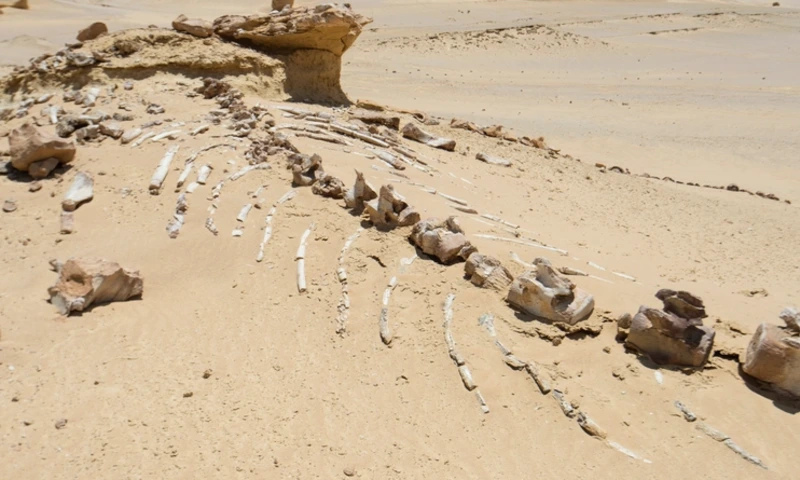
The fossils found in Wadi El Hitan are mostly from early whales called archaeocetes. The largest of these was Basilosaurus isis. It was long and could grow to around 18m. The smallest was Dorudon atrox, at around 5m. These skeletons are found along with other sea creatures such as fish, sharks and sea cows.
How Did Whales Evolve From Land Animals?
Whales evolved from four-legged mammals. However, these fossils show the late stages of the evolution. These animals were completely aquatic. However, Basilosaurus still had small legs at the back to show its evolution. You can really see how they evolved from seeing the vertebrae and ribs.
How Did the Sea Get Here?
Around 40 million years ago a shallow sea covered much of the Western Desert. This was the ancient Tethys Sea. Whales lived here and died here. The fossils were buried in sediment which became rock. As the sea receded the fossils were revealed through erosion from wind. Our guide to the Desert of Egypt shows how the seabeds, dunes and oases have shaped the landscape of the country.
Can you combine a day in the desert with Cairo and Upper Egypt? The Egypt Cairo to Luxor itinerary shows you how. Each itinerary has different stops. Ask us if you want to add a day in Fayoum.
What Can You Discover at Wadi El Hitan?
The trails are clearly marked, showing you where to go so that you can see the fossils in situ. The landscape is pretty much the same throughout.
What Fossils Will You See?
The main fossils to See Along the trails are Basilosaurus and Dorudon. These are partially exposed showing the skull, ribs and vertebrae. Information boards tell you what type of fossil it is. There are also signs of old mangrove and seagrass environments in some spots giving a hint to what type of coastal area these whales would live in.
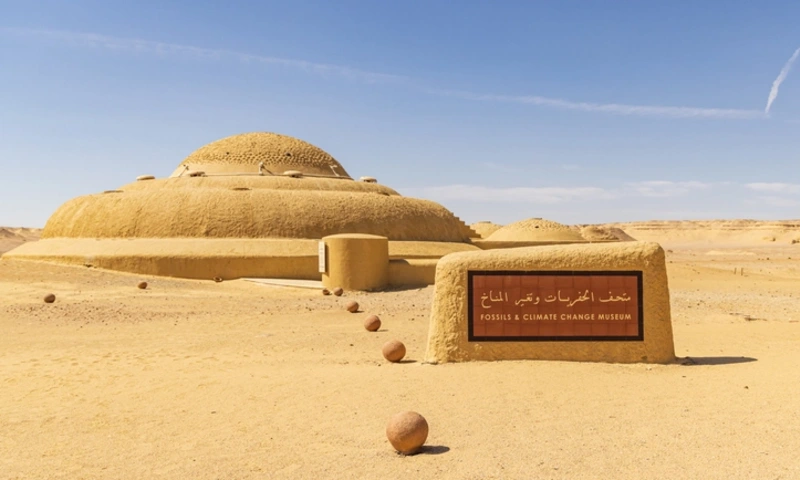
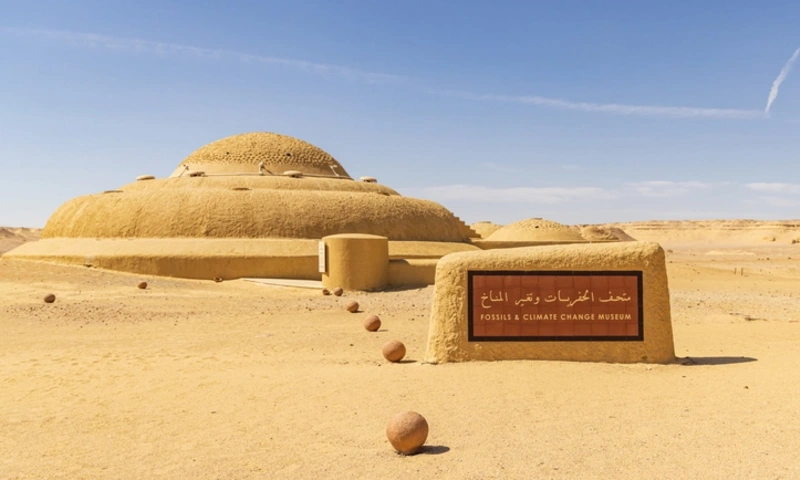
Fossil and Climate Change Museum
At the entrance is a small museum showing you what to expect. It contains information about the geology of the area, the evolution of the whales and how the climate and sea levels have changed. This makes it easier to interpret the landscape as you walk outside.
What Rock Formations Are Around the Fossils?
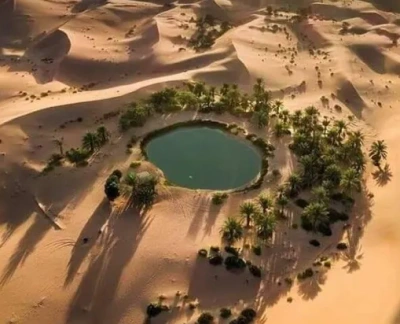
The wind and weather have formed interesting rock formations out of sandstone. This has created ridges and mushroom shaped rocks. This makes the area look nice and is a popular place to take photos.
Why Is Wadi El Hitan a UNESCO World Heritage Site?
The valley was added to UNESCO in 2005, making it Egypt’s first natural World Heritage Site.
What Is Recognized By UNESCO?
The site has been recognized by UNESCO for having ‘outstanding universal value’ in representing a significant part of life’s history; specifically the evolution of whales into fully marine mammals. The fossils are numerous, well concentrated and of high quality. Furthermore the surrounding landscape provides context for this area.
How Does It Compare With Other Attractions In Egypt?
The site is a beautiful way to see a different side to Egypt. Instead of seeing the history of the Pharaohs you can enjoy some natural history. If you are looking for something different to the temples, tombs and museums then our Things to Do in Egypt list will be a great help.
How Can You Plan a Visit to Wadi El Hitan?
Getting to Wadi El Hitan is slightly more involved, but nothing too complicated.
How to get to Wadi El Hitan From Cairo
Most people will take a private car or tour. Tours tend to leave Cairo early and get you there and back in one day. The journey takes you through the Fayoum area and into the protected area. You may find it easier to take a driver or guide who knows the area as road and track conditions can vary. Ensure you check current visiting conditions.
What to Take
Take comfortable shoes, plenty of water, some snacks and a camera. This is an open desert area so make sure you have everything you need. Stick to the paths to ensure you are keeping the fossils safe.
Other sights to see
Many people will combine this with a visit to the lakes and waterfalls of Wadi El Rayan, Lake Qarun or the village of Tunis. This makes for a full day in Fayoum. For more information on how areas and routes fit together across Egypt please look at our Egypt Travel Guide.
Why should I visit Wadi El Hitan whilst in Egypt?
There are very few places that you can actually stand next to the bones of animals that lived 40 million years ago. Adding the Valley of the Whales Egypt to your list will give you a change of scenery from temples and tombs. This is an open desert area with a clear scientific story to tell. It is also a UNESCO listed area so you can walk around the beautiful landscape. Combining this with Cairo and the Nile will add a personal touch to your classic itinerary.
Ready to plan the rest of your trip? Start with our Egypt Vacation Package. This will give you a classic route around Egypt. Mention you want to spend a day in Fayoum.
FAQs
1- Where Is Wadi El Hitan?
It’s in the Wadi El Rayan Protected Area of the Fayoum Governorate, in Egypt’s Western Desert, around 150 kilometres south-west of Cairo.
2- Why Is Wadi El Hitan Called the Valley of the Whales?
The Arabic name means Valley of the Whales. The valley holds fossil skeletons of early whales that lived in an ancient sea covering this part of the desert.
3- How Old Are the Whale Fossils?
They date back roughly 40 million years, to a time when the Tethys Sea covered much of what is now the Western Desert.
4- Is Wadi El Hitan a UNESCO World Heritage Site?
Yes. UNESCO inscribed it in 2005, and it was Egypt’s first natural World Heritage Site.
5- Can You Visit Wadi El Hitan as a Day Trip From Cairo?
Yes, it’s usually done as a long day trip with a private car or organized excursion. Access can depend on current conditions, so confirm arrangements before you go.