

Introduction
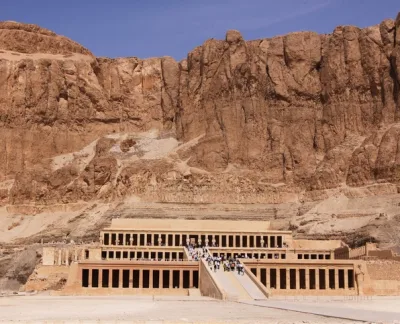
In Egypt, on the West Bank of Luxor, you'll find the Valley of the Kings, a place where ancient rulers were laid to rest. This royal burial ground was carved out of the limestone landscape, facing the old city of Thebes. Many pharaohs from the Eighteenth, Nineteenth, and Twentieth Dynasties were buried here, along with some members of their families and a few important people who weren't royalty, during the time of the New Kingdom. The Valley of the Kings is a significant site, with its elaborate tombs and intricate hieroglyphics, telling us about the lives and deaths of Egypt's ancient rulers.
These tombs were cut out of the rock, a big change from the huge pyramids of earlier times. Now, the valley is a place where you can see archaeology, religious texts, wall decorations, royal history, and the special spaces made for the dead all come together. When you visit the site, it's not just about seeing the names of famous people - the way the tombs were built also helps us understand how the ancient Egyptians thought about kings and what happened after you died. The tombs themselves are like a window into the past, showing us how their ideas about kingship and the afterlife changed over time.
Table of content:
Why Was Egypt Valley of the Kings Created?
The royal necropolis of the Valley of the Kings dates back to the New Kingdom Period of Ancient Egypt (approximately 1550–1069 BC). According to the Ministry of Tourism and Antiquities the first New Kingdom ruler to have been buried in the Valley of the Kings was Thutmose I, who ruled during the Eighteenth Dynasty.
The Valley of the Kings was chosen for the location of the tombs of the New Kingdom Kings of Egypt. It is situated to the west of the River Nile. A location to the west of the Nile was thought to be of funerary significance, as the setting sun would have been seen as dying and being reborn. The tombs were built in the desert cliffs to conceal the tombs of the Kings of Egypt.
Above the valley of the tombs is a naturally formed desert pyramid. This natural pyramid, shaped like a huge candle, was of significance to the ancient Egyptians. The pyramid form symbolized rebirth and eternal life. The surrounding area was also of significance to the Egyptians and contained vestiges of a temple to Hathor, the ‘Mistress of the West’.
The tombs of the Valley of the Kings were buried in the sides of the cliffs, but that did not mean that their architecture and decoration were not designed to fulfill the purpose of a royal burial and a ceremony to enable the deceased to be reborn and to achieve eternal life.
How large is the Valley of the Kings?
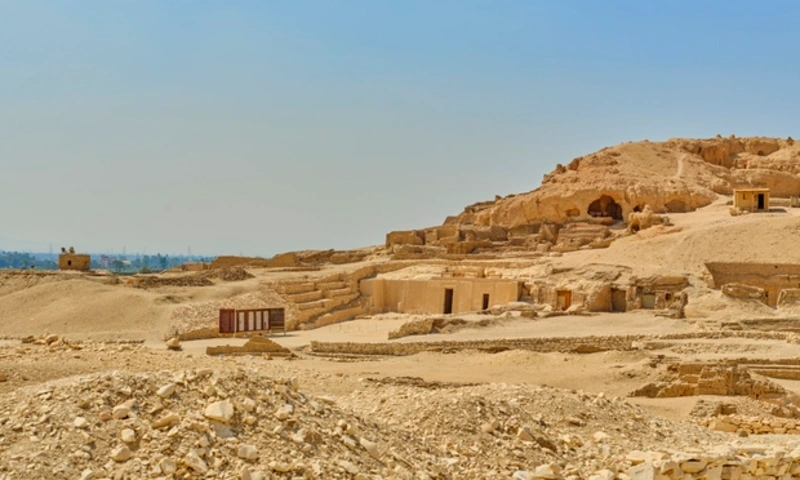
The archaeological landscape of the Valley of the Kings is split between the East and West Valleys. The majority of the tombs that have gained notoriety are located in the East Valley, whereas the West Valley is home to a mere handful of tombs. According to the Ministry of Tourism and Antiquities in Egypt, there are in excess of 60 tombs throughout the Valley of the Kings, as well as approximately 20 unevidenced excavations (or ‘pits’) that were seemingly left unfinished.
As a part of the Theban archaeological landscape, the Valley of the Kings forms part of the larger Ancient Thebes with its Necropolis site, a UNESCO World Heritage site. Other parts of this site include the Karnak site, the Luxor Temple site, and the Valley of the Queens site. The site was inscribed on the World Heritage List in 1979.
What Can You See Inside Valley of the Kings?
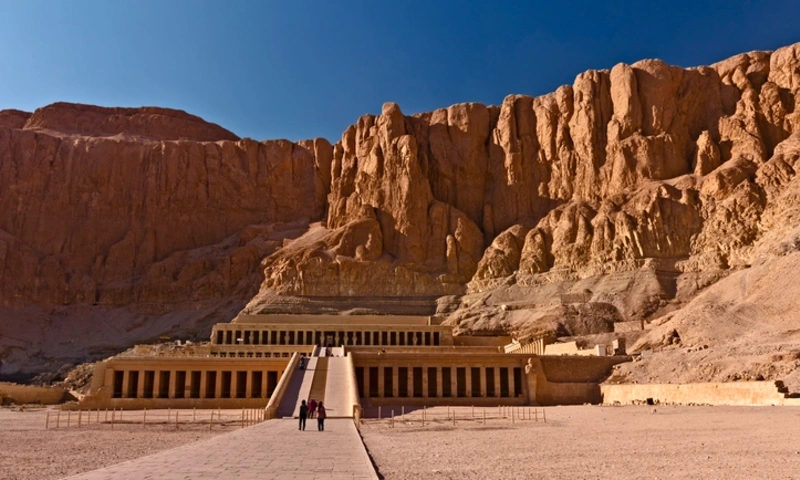
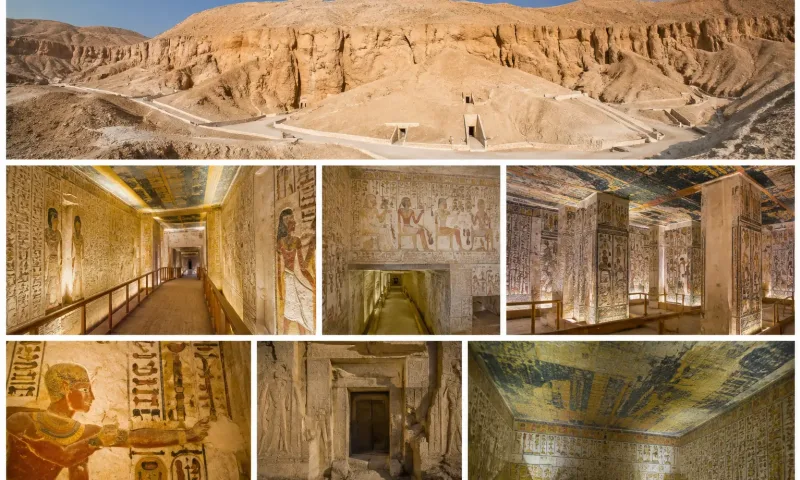
This landscape may give little impression of the vast number of tombs hidden away beneath the cliffs. Looking around Valley of the Kings, individual tombs contain a variety of descending corridors, chambers and even pillars. They often have particularly painted walls and a wide selection of inscriptions as well as a number of burial spaces.
Of course, within a site as vast as Valley of the Kings, there are naturally differences from tomb to tomb. Each tomb contains a number of Corridors, Chambers, Pillars, and Wall Paintings, as well as a large number of Incriptions, but the Plan of each tomb and the Decorations vary from generation to generation.
Tomb paintings and religious inscriptions
The wall decoration was not merely to adorn the corridor of a tomb. Much of the text and imagery was to ensure the safe passage of a king to the afterlife.
In the wider area of the Theban necropolis many tombs contain important historical sources in the form of inscriptions and paintings of people and of places. According to UNESCO these texts and paintings not only give information of the ancient Egyptian civilization, but also of the neighboring peoples and countries. Thus there are records of Nubia, Punt, of countries to the West of Egypt, of Syria, of the Hittites, and of peoples from the Aegean.
It is of equal interest to study the walls of the underground chambers, featuring figures of the gods, hieroglyphic texts, and scenes of a symbolic nature, often painted in color. They form part of the religion of ancient Egypt and turn a tomb into a complete archive of that period.
The tomb of Tutankhamun
One particular tomb that people can recognize from the Valley of the Kings is the tomb of Tutankhamun. This is the tomb of one of the New Kingdom Pharaohs and is famously known for being the tomb of King Tutankhamun.
For many visitors Tutankhamun is equal to the Valley of the Kings. But Tutankhamun’s tomb is just one of the royal burials of the New Kingdom in the Valley of the Kings. The tombs of other rulers can help to complete our view of the Valley.
Tombs of other New Kingdom rulers
The royal burials of the Eighteenth, Nineteenth and Twentieth Dynasties of the New Kingdom were placed in the Valley of the Kings.
There are also tombs in the Western Valley. For example, the tomb of Amenhotep III was the subject of conservation work by UNESCO and its co-conservation partners, the government of Egypt and the JapaneseDOCOMO. Wall paintings and the architectural features of the tomb were all conserved.
How Does the Valley Fit into Ancient Thebes?
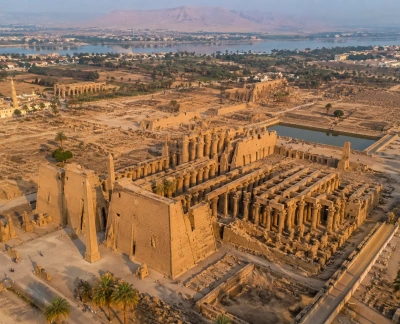
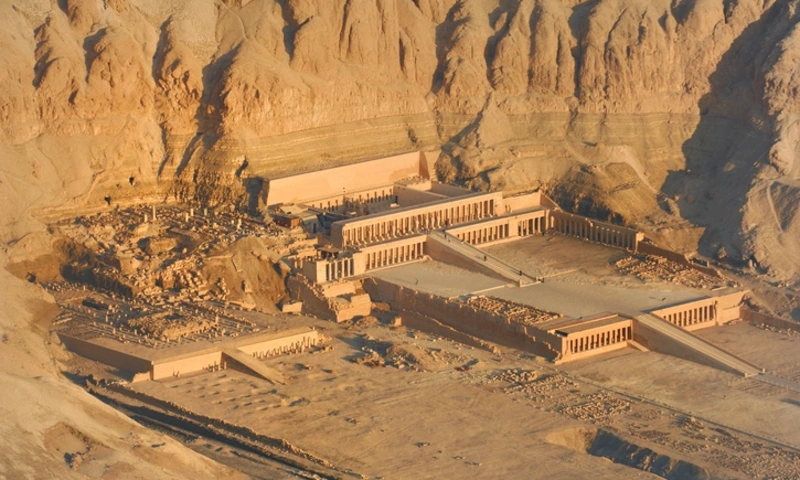
We looked at a map of Luxor and this gave us more of an understanding of the Royal Necropolis. The city of Ancient Thebes was spread over both sides of the River Nile. The main religious complexes, such as the temples of Karnak and the Luxor Temple, were on the east bank of the River.
The funerary landscapes, on the other hand, were on the west bank.
UNESCO describes the western bank of the Nile, the ‘City of the Dead’ where the Theban Necropolis, which spans some 10 km2 of land and includes thousands of tombs, plus a host of temples, small villages, shrines, monasteries, and ancient workplaces, is situated.
This relationship between the two banks helps connect sites that can otherwise seem separate. Reading a Karnak Temple Guide before or after visiting the royal necropolis provides useful context for the ceremonial and religious world in which New Kingdom rulers lived.
Travelers following the Nile through Upper Egypt may also encounter Luxor as part of Egypt Nile Cruises, which commonly use the city as an important point for visiting archaeological sites in the region.
How Should You Plan a Visit to the Valley of the Kings?
The site is located on the West Bank of Luxor, across the Nile from the modern city of Luxor. As the valley is home to many tombs, and the West Bank as a whole is home to several major archaeological sites, it is wise to decide in advance what you want to see most.
Be aware that there are individual tombs that can be visited within the site of the Archaeological Area of West Bank. Here travelers can find out about current official opening times.
Guided tours are excellent because each tomb is looked at in historical context. Therefore paintings, inscriptions, tombs and rulers can be explained within the context of New Kingdom Egypt, and more importantly why each tomb is different from the others.
For those planning a longer trip to Egypt, you can also book Egypt tour packages that include Luxor in your journey across Cairo, Aswan, or even along a Nile cruise.
What should you look for inside the tombs?
Note the different ways of arranging physical space as you go from above ground to below ground. Passages, pillars, rooms, paintings, inscriptions and tombs of royalty all received different designs of burials.
The painted environments of ancient royal tombs are to be conserved, and the areas above ground, as part of the World Heritage property Ancient Thebes, are to be managed in such a way as to counteract tourism and recreation pressure, as identified by UNESCO.
FAQs
1- Where is Egypt Valley of the Kings?
Valley of the Kings, Egypt Valley of the Kings is situated on the West Bank of the Nile, opposite modern day Luxor in the ancient Theban necropolis. It is part of the large archaeological site that makes up the UNESCO World Heritage property of Ancient Thebes with its Necropolis.
2- Who was buried in the Valley of the Kings?
This is the principal site of the burials of the rulers of Egypt’s Eighteenth, Nineteenth, and Twentieth Dynasties. In addition to the kings, some members of the royal family and a very few of the highest ranking of non-royal officials were also buried here.
3- How many tombs are in the Valley of the Kings?
Number of tombs in Valley of the Kings: More than 60 tombs were discovered in the archaeological site of Valley of the Kings. The site includes 20 unfinished excavations. The site is divided into two valleys, East Valley and West Valley, where most of the royal tombs were discovered in the East Valley.
4- What can you see inside Valley of the Kings?
Corridors, Chambers, Pillars and other architectural features are found within many of the Valley of the Kings tombs. Many tombs also contain ancient texts, and the most impressive item is the paintings and other images that illustrate the ancient Egyptian’s perception of the world around them. The images found within the Valley of the Kings tombs contain valuable information about ancient Egyptian beliefs and customs.
5- Is the Valley of the Kings part of a UNESCO World Heritage Site?
It is included in the World Heritage Site Ancient Thebes with its Necropolis, which was declared a World Heritage Site by UNESCO in 1979. It is combined with other major archaeological sites, including the West Bank Theban sites and the sites at Luxor's Karnak Temple.
Plan Your Valley of the Kings Visit
Don’t miss the opportunity to make Egypt Valley of the Kings part of your wider Luxor itinerary. To explore more of the West Bank and Luxor’s ancient Upper Egyptian temples, ruins and archaeological sites we can include them in your Egypt tour packages.