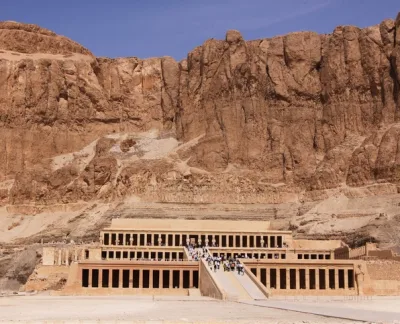


Introduction
Life in Ancient Egypt was closely related to the river. The annual river flood brought nourishing silt to the river banks. With this silt, people grew food, paid taxes, built their lives, and marked time. Most people did not see the pyramids or the pharaohs; they lived in the villages, working on farms, raising children, and following the seasons.
Table of content:
How Life in Ancient Egypt Worked
Life in Ancient Egypt was inextricably linked with the river Nile. Its annual flood brought fertile sand, on which agriculture, and the life of the whole country, including taxes, construction, art, and even time measurements, depended. Most people in Ancient Egypt lived in everyday life not far from mausoleums of pharaohs, pyramids, or obelisks, but in their villages, they built, sowed, harvested, and raised children.
This is the life that tourists can see when they decide to acquaint themselves with the history of Ancient Egypt. Many tourists plan their trips in such a way that they can visit Cairo, Luxor, and Aswan, and Egypt Travel Packages can help you put it all together. In addition, the Cairo and Nile Cruise Package will take you from the capital to the Valley of Kings, deciphering the pyramids and mummies on the way.
This package of our guides will tell you about the features of Ancient Egyptian Society, the life of different classes, and what to look out for when visiting historical places.
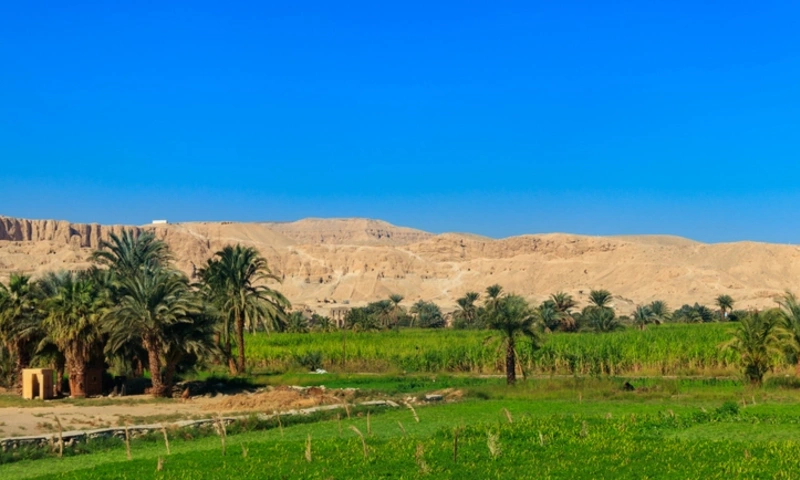
Ancient Egyptian Society: Structure and Social Classes
Ancient Egyptian society can be compared to a pyramid structure with a pharaoh at its top and many farmers at its base. On the one hand, the pharaoh was the highest authority in Ancient Egypt. On the other hand, he was considered to be a god on Earth, which means that his word was religiously binding as well. There was also a pool of the upper-class citizens, including the viziers and governors, priests, and soldiers.
The intermediate layer of the pyramid consisted of the literate scribes, who managed tax collection, bookkeeping, and correspondence. They occupied a good position in society as only the educated people could maintain a career in Ancient Egypt. Warriors, merchants, and artisans comprised the next layer and were relatively prosperous. Finally, the bottom layer was made up of farmers, who provided Egypt with food and wealth. It is evident that the social hierarchy in Ancient Egypt was more or less rigid, allowing one to advance mostly within one’s profession.
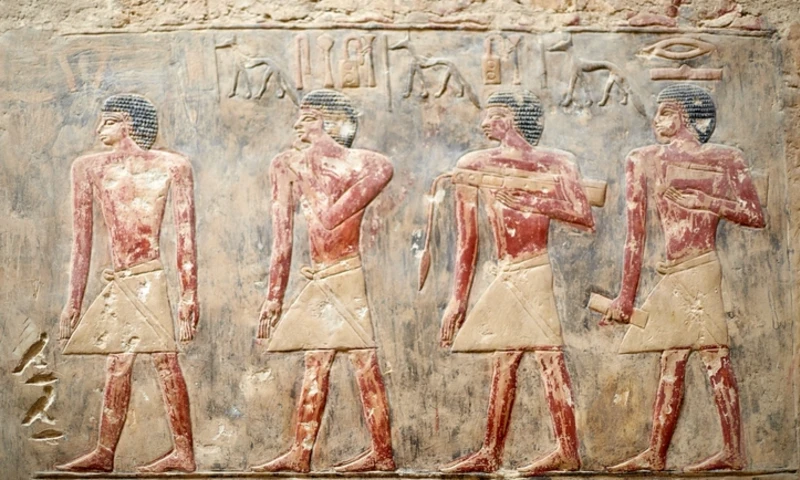
Homes, Food, and Clothing
Ancient Egyptian Life
People belonging to the lower class, the vast majority of Egyptians, lived on the fringes of cities, living in sun-dried mud-brick houses. Some had a second story, but they were typically small and constructed with a flat roof for sleeping and other activities. Upper-class residents could afford to build their homes bigger, with more comfortable furnishings, and with a courtyard and a garden. At the same time, workers’ villages were also a common sight in Egypt, with neatly arranged houses facing the street, and such places as Deir el-Medina, located near the Valley of the Kings, could be considered one of the best examples of such a settlement.
Bread and beer made from wheat and barley were the most common foods Egyptians ate, being eaten at almost every meal, along with onions, leeks, and lentils. Fish was another staple for the average Egyptian, with residents having access to the fertile Nile. However, meat was not a staple for common folk and was only eaten on special occasions. Linen garments, often made from homegrown flax, were the primary clothing material for most Egyptians, worn in the form of kilts, dresses, and tunics, with their style varying from period to period.
Many objects, ranging from tools to jewelry, household goods, and even fragments of clothing, can be found in Egypt, with many museums housing valuable collections. One such place is our Egypt Museums, which has an exhibit showcasing Egyptian daily life.
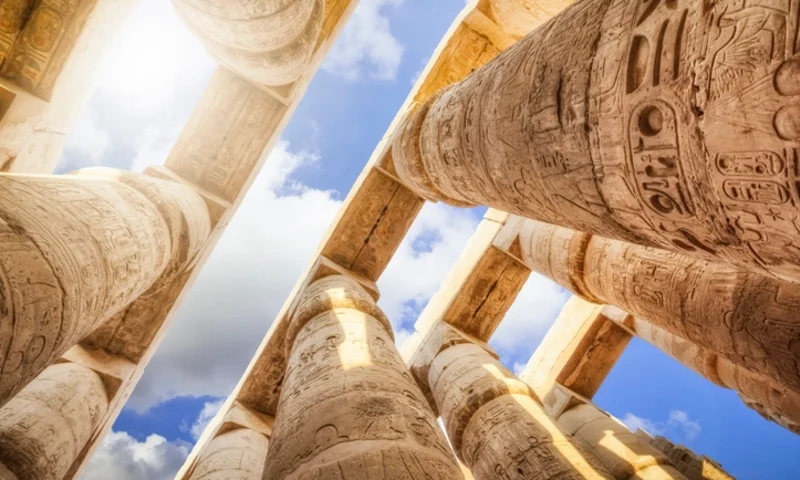
Work, Education, and Writing
Farming shaped the year. The Egyptians divided the year into 3 seasons related to the river: the season of the flood, the season of the growing crop, and the season of the harvest. During the flood, while the fields were inundated with water, many farmers were employed in large scale public works projects, contributing to the construction of some of the world's most recognizable monuments such as the pyramids.
There were craftsmen such as stonemasons, carpenters, potters, goldsmiths, and painters. In education, the focus was on practical skills. Sons who would become scribes were trained in schools connected to temples or government buildings. They spent years copying texts before being able to master the hieroglyphic writing and the more simplified script used for daily purposes. Other children were taught their trade at home by a father.
Writing was an important skill, and today, you can still find thousands of inscribed temple walls as evidence. If you want to see them all on a well-planned trip, take a look at our Egypt Travel Guide.
Women, Children, and Family Life
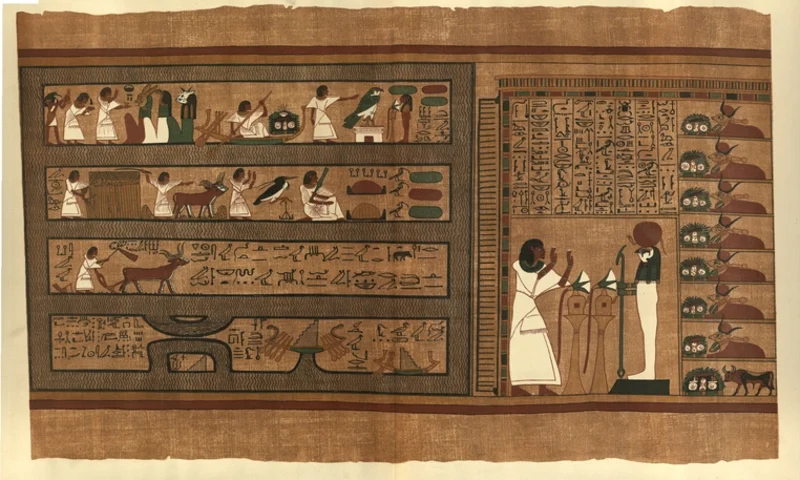
Family was the foundation of Egyptian society, and women had a prominent position in this culture. They could own, sell, and buy land, engage in business contracts, and take part in litigation; a woman could inherit and bequeath property. Despite that, most women were tied to the household, while priestesses served in temples and pharaohs, such as Hatshepsut, ruled the country.
Children spent a considerable amount of their time playing with toys made of clay, wood, and stone, including animals, dolls, and balls, and playing board games. Moreover, they could be apprenticed to their fathers at a young age and learn the craft.
Religion and Beliefs
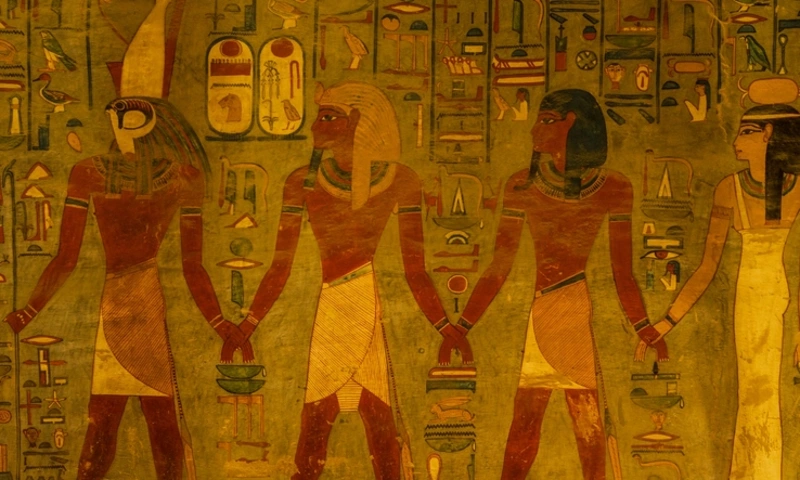
Religion played an essential role in the daily lives of the people. The God’s images were created in the shape of natural objects and social institutions – the sun and Ra’s power, death and Osiris, motherhood and Hathor, magic powers and Isis. Ordinary people honored the deities in the small shrines in their houses, while the priests conducted special rituals in big temples on behalf of the king. Religious practices were also part of people’s everyday life activities.
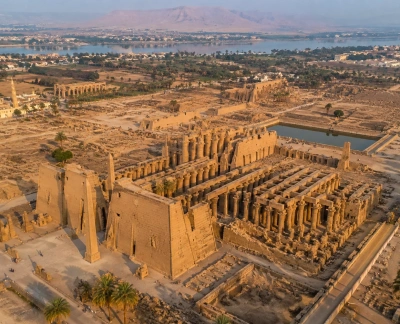
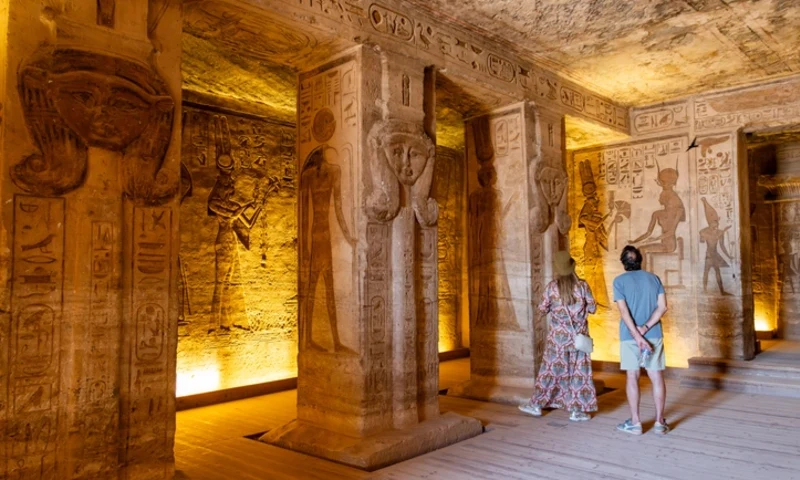
People believed that human existence did not end when a person died. This is why many pyramids, burial chambers, mummies, and writings about the afterlife have survived. In Karnak Temple, the large temple’s columns were added over centuries. Looking at the Karnak’s construction, one can realize that it was the center of the local community. The Valley of the Kings is located on the west end of Luxor. It is a famous historical place with ancient tombs belonging to different Pharaohs. Many artifacts of Egyptian culture have survived due to this particular ancient civilization’s beliefs about eternal life.
Entertainment and Leisure
There is evidence that Egyptians used to enjoy music, dance, feasts, and games. Tomb paintings depict harps, lutes, flutes, and rattles, as well as dancers and singers at banquets. Senet, a game played on a board with thirty squares, was enormously popular, and hunting, fishing, and boating on the Nile were favorite pastimes of Egyptians who had the time and money to pursue them. In addition, religious festivals, which were celebrated throughout the year, included food, music, and dancing.
Seeing Ancient Egypt Today
Travelers who want to see how these details fit together often follow the river. A Nile cruise between Luxor and Aswan links temples and Egyptian towns much as the ancient Egyptians would have seen them, and packages such as the Egypt Nile Cruise Package include the main attractions in an easy itinerary. Museums in Cairo contain the less imposing aspects of ancient Egypt: utilitarian artifacts, jewelry, papyri, and domestic items.
FAQs
1- What was daily life like in Ancient Egypt?
The people were mostly farmers who lived in mud-brick houses, ate bread, beer and vegetables and worked according to the river's seasons. Craftsmen, scribes and priests had a different lifestyle.
2- What were the main social classes in Ancient Egyptian Society?
The Pharaoh, the officials and priests, scribes, warriors and craftsmen made up the minority of people in Ancient Egypt, whilst the majority were farmers.
3- Could women own property in Ancient Egypt?
Women could own property, inherit from their husbands, run businesses and sign contracts and even go to court.
4- What did ancient Egyptians eat?
The basic foodstuffs were bread and beer with vegetables such as onions and lentils and fish from the river, whilst meat was only eaten occasionally by the wealthy.
5- How did children learn in Ancient Egypt?
Children who were learning to be scribes attended schools affiliated to temples or government departments, but most children were taught a skill by their parents.