

Introduction
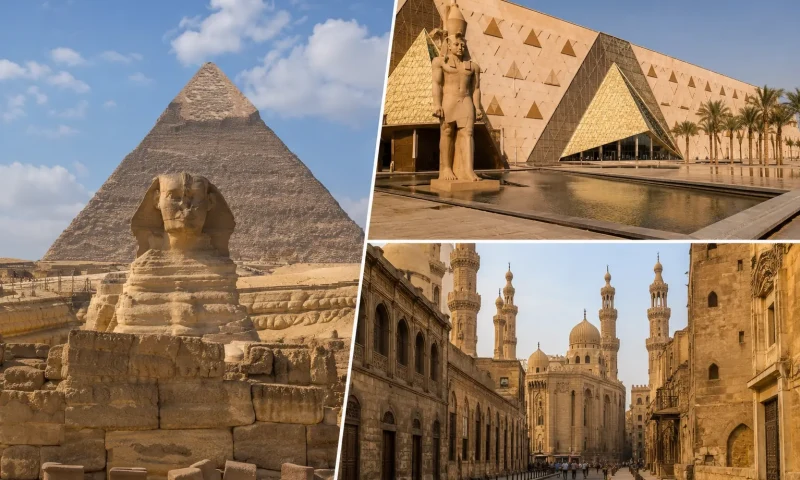
In order to identify the most interesting activities that are going to be done in Cairo, Egypt, one should not focus on only one historical era, as there are many important things that belong to various periods of time in the Greater Cairo area. For instance, there are the pyramids of Giza, numerous collections of ancient Egyptian art works, medieval mosques and gates, Coptic churches, the 19th-20th century streets of Downtown, established neighborhoods like Zamalek and the Nile River running across the contemporary capital.
When the visit is made for the first time, it is advisable to organize the tour geographically instead of making a very long list. It is possible to combine Giza with the Grand Egyptian Museum as the first zone, the historic center as the second one and Downtown, Old Cairo, Zamalek and the Nile River as the third zone. Such organization will minimize the need for excessive movements and provide sufficient time for the exploration of the sights.
Table of content:
What Are the Best Things to Do in Cairo Egypt?
First-time visitors' itinerary should encompass both ancient Egypt and the more recent history of Cairo. Aiming to spend each day at the pyramids is likely to overlook many of the unique aspects of the city, whereas concentrating on the historic district will mean overlooking the archeological context of the capital that attracts many tourists.
Visit the Giza Pyramids
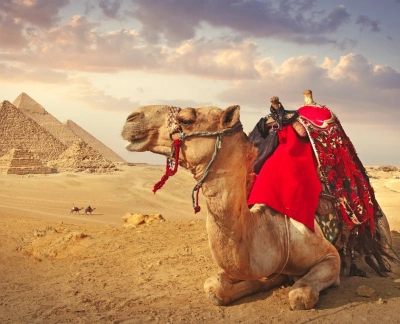
The Giza plateau lies west of Cairo city center and is part of the UNESCO World Heritage Site 'Memphis and its Necropolis'. Pyramids of Khufu, Khafre and Menkaure, along with the Great Sphinx and archaeological remains form a natural focal point of interest for many first-time visitors.
Instead of using the Giza pyramids as a brief photo stop, use the scale of the Giza plateau as an opportunity. The three main pyramids form part of a larger funerary complex that includes temples, smaller pyramids and tombs.
For detailed archaeological and visitor information, use the [Giza Pyramids Guide rather than trying to cover the entire site within a general Cairo itinerary.
Visit the Grand Egyptian Museum
Another focal point of ancient Egypt history is the Grand Egyptian Museum located near the Giza plateau. Its visitor route covers the Grand Hall, Grand Stairs, Main Galleries, Tutankhamun Galleries and Khufu's Boats Museum. Officially the museum collection covers prehistory through to the Roman period.
Thus, both Giza and the museum can be easily combined in terms of geography.
Visit the Historic Cairo
Historic Cairo offers a completely different perspective of the city. According to UNESCO, it is one of the world's oldest Islamic cities whose World Heritage property encompasses mosques, madrasas, hammams, fountains, markets and preserved medieval urban layout. The Cairo was the capital of the Fatimid Caliphate since 969, while the Ayyubid and Mamluk eras witnessed the growth of the urban and architectural landscape.
Al-Muizz Street and its surroundings are especially useful for this purpose. Rather than going into a building and then out of the area, visiting several monuments will help understand how the architecture of mosques, markets and residences evolved together as part of the same urban context.
Which Cairo Tourist Attractions Should First-Time Visitors Prioritize?
There are some tourist sites in Cairo that cannot be classified according to any specific period of history. An effective itinerary should include both museums, various religious buildings, urban areas, and spots in which the modern city becomes a tourist attraction.
Cairo Citadel and Muhammad Ali Mosque
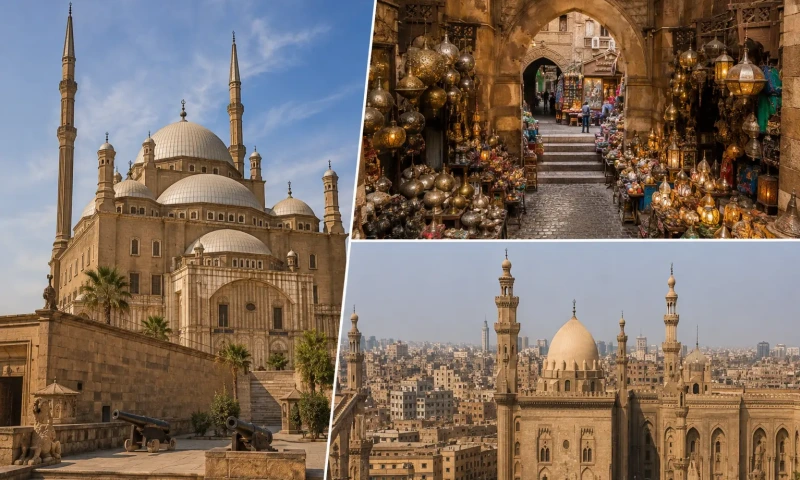
Cairo Citadel was founded by Salah al-Din in 1176 and served as a seat of government after that. Its location on Muqattam hills contributed to strategic significance and wide interaction with the Historic Cairo underneath.
One of the major monuments inside the Citadel is Muhammad Ali Mosque built during Muhammad Ali Pasha. It is distinguished by a large central dome, semi-domes, and double minarets. It is also known for numerous panels covered with marble, and thus got such popular names as "Alabaster Mosque" from the Ministry of Tourism and Antiquities.
Khan al-Khalili and the historic market streets
Khan al-Khalili should be considered as a natural addition to the Historic Cairo tour rather than an additional shopping spot. The surrounding district includes various markets, commercial streets of traditional architecture, mosques and the architectural heritage of the Middle Ages.
The most effective way to explore the district is to leave a certain amount of time without schedule. Walking along the streets, stopping at the ancient buildings, observing modern commercial activity in the historic city center will provide a different impression compared to museum visits.
Al-Azhar and the medieval city
UNESCO includes Al-Azhar among the most significant monuments of the Historic Cairo and notes its long-term importance as a center of theology and education.
The surrounding city includes various architectural layers linked with Fatimid, Ayyubid, Mamluk and Ottoman periods.
It explains why Islamic Cairo needs more than one site in the itinerary. The streets between monuments are part of the historical environment.
What Can You See in Coptic Cairo and Cairo's Museums?
But Egyptian collections make up only a portion of the city's culture. Coptic Cairo and museums in the city serve to unite ancient, Christian, Islamic and modern times together, not dividing the country's history into one period of time.
Visiting the Hanging Church in Old Cairo
The Hanging Church is located in Old Cairo atop the ruins of the Roman fortress of Babylon. It features marble columns, wooden vaulted ceiling, marble pulpit, and a set of icons; the oldest icons registered in the Ministry of Tourism and Antiquities are dated back to the 15th century.
Old Cairo can be included into the general itinerary rather than going separately, since the churches, monasteries and archaeological finds of the district make its atmosphere different from both Downtown Cairo and Islamic Cairo.
Exploring the Egyptian Museum in Tahrir
The Egyptian Museum is still one of the most notable archaeological museums in Downtown Cairo. Built in 1902 by the French architect Marcel Dourgnon, it possesses collections from the Pre-Dynastic Period to Greco-Roman period. Such highlights of the museum include the burials of Yuya and Thuya, the treasures of Tanis, Narmer Palette and vast collections of papyri, sarcophagi and jewelry.
The Egyptian Museum and GEM have different collections, architecture and visiting experience, which means that both of them deserve to be visited by those who are interested in ancient Egypt.
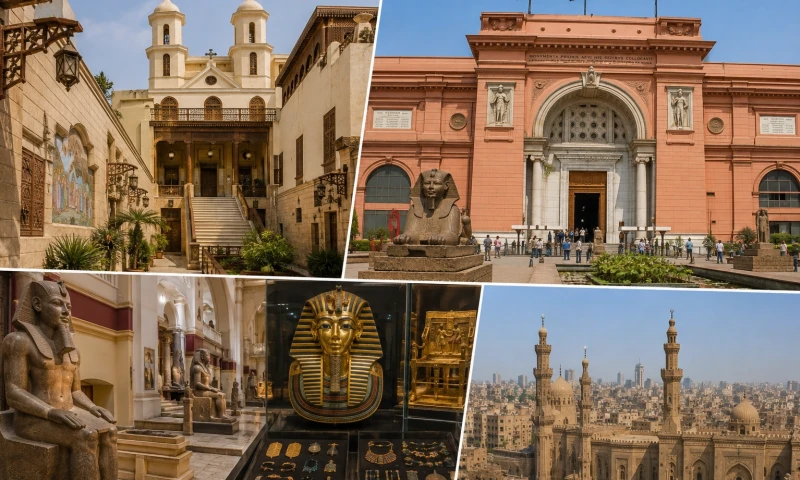
What Can You Do Around Downtown Cairo, Zamalek and the Nile?
All sites need not necessarily be archaeological monuments in Cairo. Downtown, Zamalek and the Nile serve as examples of how the current city has adapted to include its historical sites.
Walk Around Downtown Cairo
Downtown has wide streets, squares, shopping districts, cafés and buildings constructed during a subsequent phase of Cairo's history. Tahrir Square and the Egyptian Museum make excellent reference points, and surrounding streets may be included in the museum visit without having to create yet another site-seeing day.
Short walks through segments of the area are more productive than long walks through the entire district. Cairo is a large city, and districts tend to be clearer in small segments.
Visit Zamalek
Zamalek takes up part of the island of Gezira in the Nile, and makes an excellent alternative to visiting another archaeological sight on consecutive days. Its restaurants, cultural facilities and residential streets make it an ideal place to spend the evening or the quiet part of the day.
It also provides a good opportunity to see the Nile as an integral part of life in the city as opposed to merely seeing it from bridges or vehicles.
Experience Cairo on the Nile
Felucca ride is a simple but good way to see Cairo's riverside area. It is not really sightseeing in the traditional sense, but helps in getting an idea of the geographical layout of the city that surrounds the Nile.
This activity is especially suitable to do after the end of a site-seeing day as the inclusion of yet another site or museum would not make much sense then.
How Should You Plan a Cairo Itinerary?
The number of days required depends on how deeply you want to explore. One day allows only a narrow selection, while two or three days make it possible to divide the city into logical geographic areas.
A practical three-day framework could look like this:
- Day 1: Giza Pyramids and Grand Egyptian Museum
- Day 2: Historic Cairo, the Citadel, Islamic architecture and Khan al-Khalili
- Day 3: Egyptian Museum, Old Cairo, Downtown, Zamalek or time beside the Nile
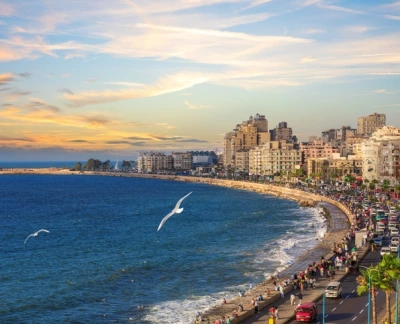
With additional time, avoid simply adding more Cairo attractions to every day. Instead, slow the pace or consider a destination outside the capital. Alexandria is one of the better-known options for travelers who want to add Mediterranean history to a Cairo-based itinerary.
FAQs
1- What are the best things to do in Cairo Egypt for a first visit?
The best things to do in Cairo Egypt for a first trip usually include the Giza Pyramids, a major ancient Egyptian museum, Historic Cairo, the Citadel, Old Cairo and time around the Nile. Grouping attractions geographically makes the itinerary easier to manage.
2- What are the main Cairo tourist attractions?
Major Cairo tourist attractions include the Egyptian Museum, Historic Cairo, the Citadel and Muhammad Ali Mosque, Coptic Cairo, Khan al-Khalili and Nile-side areas. Greater Cairo also includes the Giza Pyramids and Grand Egyptian Museum.
3- How many days should I spend in Cairo?
Two or three days allow first-time visitors to combine Giza, museums, Historic Cairo and Old Cairo without placing every major site into one day. Additional time allows a slower itinerary or a day trip outside the capital.
4- Are the Grand Egyptian Museum and Egyptian Museum the same?
No. The Grand Egyptian Museum is near the Giza pyramids, while the Egyptian Museum is in Tahrir Square in central Cairo. Both contain ancient Egyptian collections, but they are separate institutions with different displays and visitor experiences.
5- Is Historic Cairo a UNESCO World Heritage Site?
Yes. Historic Cairo has been inscribed on the UNESCO World Heritage List since 1979. Its heritage includes medieval street patterns, mosques, madrasas, fountains, historic houses and monuments from several Islamic dynasties.