Introduction
Imagine an entire city disappearing beneath the sea, leaving behind temples, enormous statues, and streets hidden underwater for centuries. This is the remarkable story of thonis heracleion, an ancient Egyptian port that once welcomed ships from across the Mediterranean.
For generations, the city survived mainly through ancient writings until underwater archaeologists rediscovered it in 2000. Today, the lost city of heracleion offers a fascinating glimpse into Egypt's maritime history, revealing a world of international trade, religious ceremonies, and extraordinary archaeological discoveries.
Table of content:
Where Was Thonis Heracleion Located in Ancient Egypt?
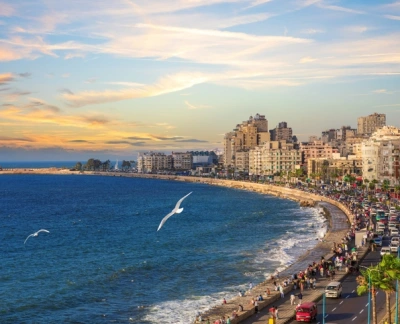
Long before Alexandria became a well-known city on the Mediterranean coast in Egypt there was another key city located near the mouth of the Nile.
Where Is the Sunken City?
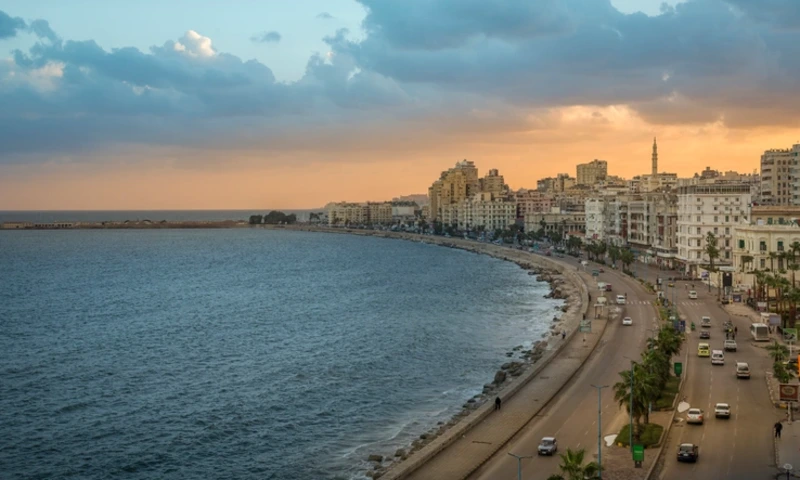
The ruins of the city of thonis heracleion are located in Aboukir Bay close to Alexandria. This is around seven kilometers away from the coast. The city was located in a network of waterways that connected to the Nile Delta. This meant that ships could transport goods between Egypt and the Mediterranean trading centers.
Although you can not visit the underwater ruins, the discovery has revealed another exciting part of the history of the City of Alexandria Egypt.
How Was Heracleion Connected to Alexandria?
Heracleion was a thriving city before Alexandria was founded by Alexander the Great in 331 BC. As Alexandria became an important city in the Mediterranean, Heracleion lost some of its former trading significance.
If you are looking to explore the broader history of Egypt then you can discover the famous landmarks of Egypt with Egypt Travel Packages.
Why Was Thonis Heracleion Important in Ancient Egypt?
The city was not only a trading port but also a key religious site. There were many Egyptian traditions combined with Mediterranean influences.
How Did The City Become A Key Trading Port?
Thonis heracleion was a key port for Greek ships entering the country. Merchants would travel to the city and bring goods into the harbours. Egyptian officials would oversee the trading and charge duties.
Archaeological remains have been found in the area such as anchors, ships and trading items. This shows how busy the area was.
What Role Did Religion Play In The City?
The city had an important temple dedicated to Amun, one of the main Egyptian Gods. The city was linked to the royal traditions through religious practices.
If you are interested in learning more about the gods worshipped across the country then click here to learn about Egyptian Deities. This will introduce you to the beliefs and God's of Ancient Egyptian religion.
If you are looking to visit some of the temples and royal monuments still standing in Egypt today, then look no further than the 5-Day Egypt Cairo to Luxor Tour Package. This tour will take you to the main archaeological sites in both cities.
How Was the Lost City of Heracleion Discovered?
This mysterious city was brought back to life with the discovery of the lost city of heracleion.
Who Discovered the Ancient Sunken City?
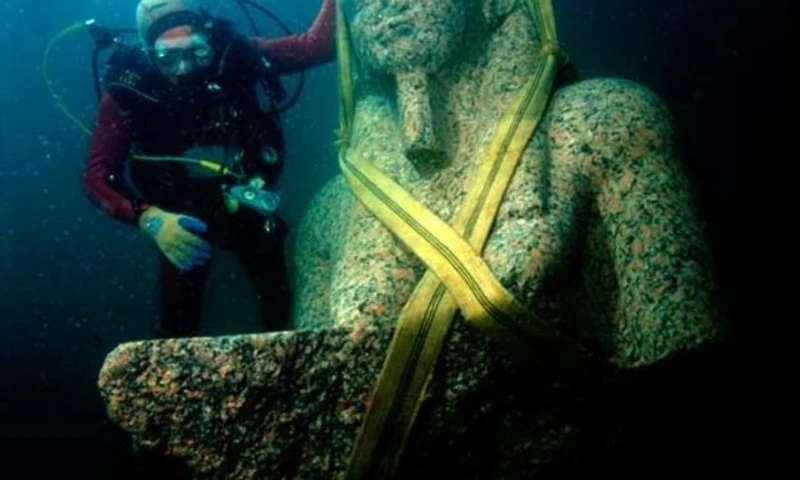
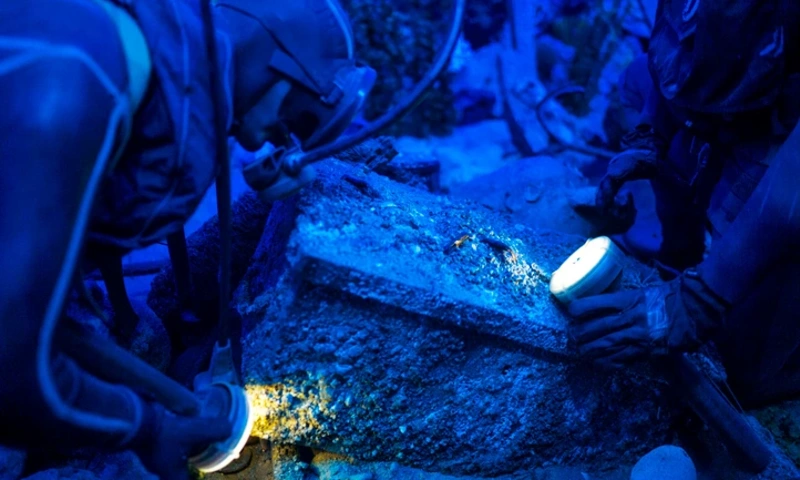
In 2000, the remains of the city were identified by a team led by French underwater archaeologist Franck Goddio. Using special surveying equipment and underwater excavation methods, they mapped the structures.
They also discovered that both the Egyptian name Thonis and the Greek name Heracleion were referring to the same ancient city.
What did Underwater Archaeologists Discover?
The ruins were uncovered which included temple remnants, large statues, inscriptions, jewellery, pottery and shipwrecks. This helped the archaeologist to understand why this city was so important religiously and its trade.
This is interesting to note as it contrasts with the Alexandria Library.
Those who love to discover the archaeological sites of Egypt can also take the Cairo and Nile Cruise Package. This allows you to see the ancient landmarks of Cairo and the temples along the Nile.
Why Did Thonis Heracleion Sink Beneath the Sea?
The disappearance of thonis heracleion may not have been an instant event, but instead was a slow process that can be explained by the archaeological and geological evidence.
What Natural Events Contributed to Its Disappearance?
Earthquakes were an important factor in the sinking of parts of the Nile Delta. The waterlogged sediments were unstable and caused the ground to liquefy. Sea level rise and changes to the coastline also helped cause the ancient settlements to sink.
This caused the buildings to collapse as the ground became unstable. Large areas of the city eventually disappeared underwater.
How long was the city underwater?
The city was fully underwater by around the 8th century AD. However it was uncertain where it was for centuries until archaeological research uncovered the remains in 2000.
What Ancient Treasures Were Found in Thonis Heracleion?
The discoveries found in thonis heracleion show a wealthy city with impressive religious sites and international connections.
What Was Discovered?
Some incredible discoveries were found including large statues, temple pieces, inscriptions, ritual items and artefacts. Some of these items give insight into religious practices of ancient Egypt. Whilst others show trade links between Egypt and the Greek world.
The lost city of heracleion is still providing us with new information as more items and structures are discovered underwater.
Can I See These Artifacts In Heracleion?
Some of the items have been put on display in museums. However it is best to look up what is currently on display.
For more information on other archaeological sites visit Trans Travel's Egyptian Museums Guide.
Why Is Thonis Heracleion Important Now?
The rediscovery of thonis heracleion has changed how we understand ancient Egypt and their connection to the Mediterranean. It has shown us how busy this city was with Egyptian and Greek culture interacting through trade, religion and daily life.
Most importantly it reminds us that Egypt has a rich history that goes far beyond Pyramids and desert temples. Some of the most amazing stories are still being discovered underwater.
FAQs
1. Where is Thonis Heracleion located?
Its remains lie underwater in Aboukir Bay, near Alexandria on Egypt's Mediterranean coast.
2. Who discovered the lost city?
French underwater archaeologist Franck Goddio and his team rediscovered the city in 2000.
3. Why did Heracleion sink?
Geological instability, earthquakes, soil liquefaction, and changes in sea level contributed to its submergence.
4. Are Thonis and Heracleion the same city?
Yes. Thonis was its Egyptian name, while Heracleion was its Greek name.
5. Can tourists visit the underwater ruins?
The submerged archaeological site is not a conventional tourist attraction. Visitors can instead explore nearby Alexandria and check museum exhibitions for related discoveries.