Introduction
In the hills of Luxor's West Bank, an extraordinary royal tomb preserves some of the most beautiful paintings from ancient Egypt. The tomb of nefertari was created for Queen Nefertari, the beloved Great Royal Wife of Ramesses II, and its decorated chambers offer a fascinating glimpse into Egyptian beliefs about death, protection, and eternal life.
Unlike the enormous pyramids or monumental temples built to impress from a distance, this tomb reveals its beauty through intimate details. Brilliant colors, carefully painted hieroglyphs, and images of Egyptian gods cover its walls. The nefertari tomb paintings tell a story about the queen's journey into the afterlife, making the burial place both an artistic masterpiece and an important historical monument.
Table of content:
Where Is the Tomb of Nefertari Located?
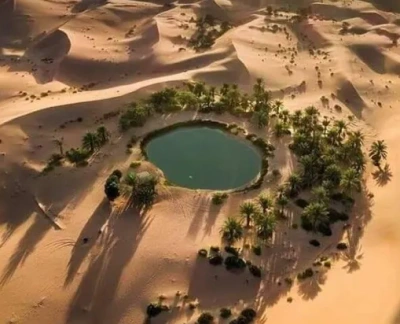
The tomb can be found in the Valley of the Queens on the western side of the Nile in Luxor. It is an ancient cemetery and is close to many important archaeological sites associated with Egypt's New Kingdom rulers and royal families.
Where is the Valley of the Queens is situated within the hills of the ancient desert of Thebes and is on the opposite side of the Nile to the modern town of Luxor. The Valley of the Queens was an area known by the ancient Egyptians to be associated with royal burials. The site contains tombs built for queens, princes, princesses and other members of the royal family.
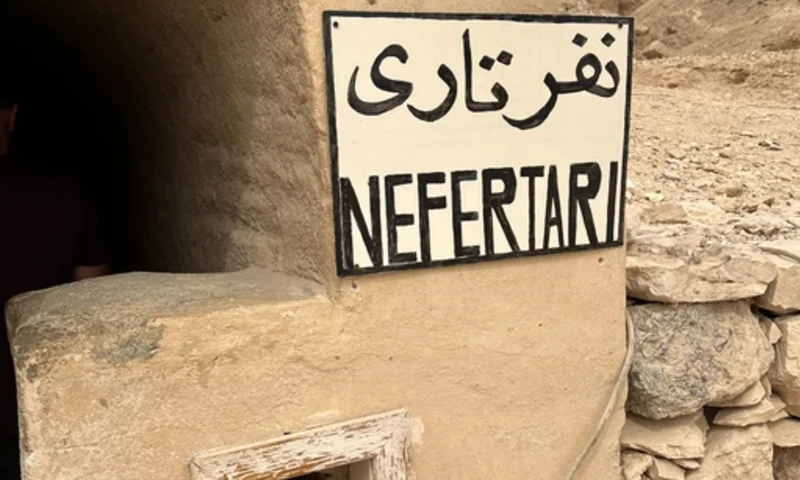
The most famous tomb within the Valley of the Queens is that of the tomb of Nefertari. The tomb, also known as QV66 by archaeologists has an unassuming exterior. However, inside the tomb the walls have been beautifully decorated, showing how important religion, symbols and the royal identity was to the Ancient Egyptians.
The Valley of the Kings is interesting to compare as it contains tombs of famous pharaohs such as Tutankhamun and Seti I.
Why did the Ancient Egyptians build tombs on the West Bank?
The West Bank of the Nile had a lot of religious significance. The sun goes down in the west, which led the Ancient Egyptians to associate this with death and rebirth. This made the western desert a meaningful place to build tombs and mortuary temples.
The limestone hills around this area were also good to build rock cut tombs. Over time this area became one of the most important areas of Ancient Egypt with lots of tombs, temples and settlements related to the royal tombs.
How is the tomb linked to ancient Thebes?
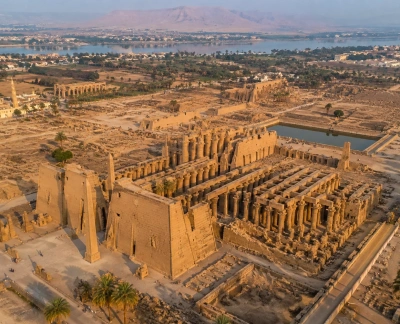
Ancient Thebes was an important centre of power and religion during the New Kingdom. The temples such as Karnak and Luxor Temple (on the east side) show how important the gods and pharaohs were. The western side became associated with tombs and remembrance.
Nefertari's tomb was part of this larger sacred area. Knowing where it was situated helps to understand why there are so many religious images and why the decoration was so important.
Who Was Queen Nefertari in Ancient Egypt?
Queen Nefertari was one of the most well known queens in the Nineteenth Dynasty of Egypt. She was the Great Royal Wife to Pharaoh Ramesses II.
Why was Queen Nefertari Important?
Nefertari was a very important Queen as her name is often translated to mean ‘Beautiful Companion,’. Her full name as a royal was ‘Merytmut’ which translates to ‘Beloved of Mut’. She was involved in many royal rituals, diplomatic letters and religious depictions.
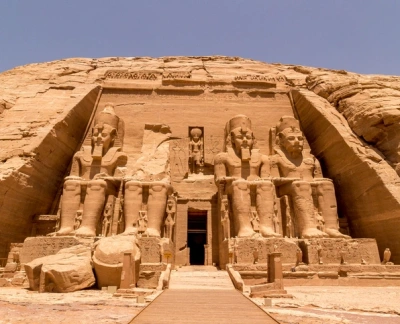
Her image is found with Ramesses II on many significant monuments. Her most famous monument is the smaller temple at Abu Simbel as it was dedicated to her and the Goddess Hathor. This shows how much respect she was given.
Her story can be linked to the stories of the Ancient Egyptian Pharaohs. The monuments that have been found tell us how the royal family would show their power, faith and remembrance.
Relationship with Ramesses II
Ramesses II was Pharaoh of Egypt for around 66 years and became one of the most well known Pharaohs. Nefertari was his main queen and was very prominent in royal inscriptions and monuments.
Many people see them as a very romantic couple. This is because Nefertari was referred to with lots of affection in the inscriptions. However, the most useful information we can gain from the evidence is to understand how high status she was in the royal family.
Her tomb shows how high status she was. The tomb of nefertari was decorated incredibly well showing that she must have had very talented artists creating her tomb.
What do we know about her?
We know very little About Nefertari’s life. We know a lot from the inscriptions, art and artefacts.
She lived during a time of great monument building, diplomacy and religion. Her images show her taking part in rituals and being with Gods showing how important religion was to Egyptian Queens.
What Makes Nefertari Tomb Paintings So Special?
The incredible artwork that can be seen inside the tomb makes it one of the greatest artistic achievements of Ancient Egypt. The walls and ceilings are covered in beautiful religious scenes, hieroglyphics and well organised artworks.
What Do The Paintings In Nefertari's Tomb Show?
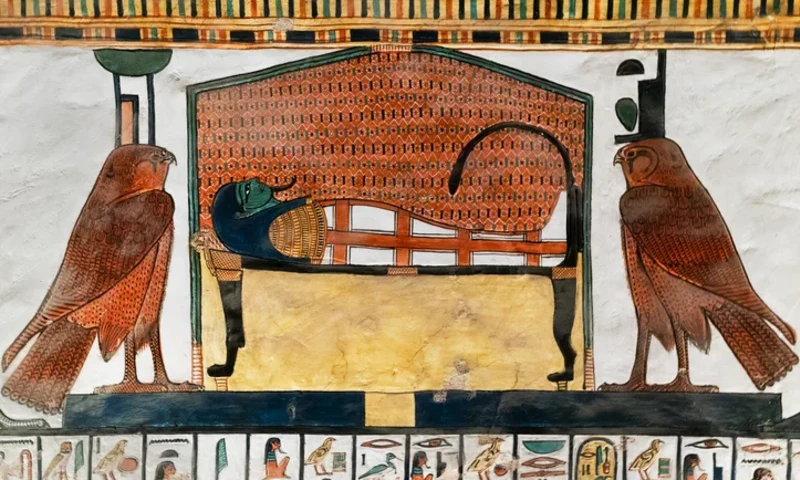
The paintings on the walls of the nefertari tomb show us how the queen would pass through the afterlife. Many of the scenes relate to Egyptian religious beliefs and the book of the dead.
Nefertari is shown approaching many Egyptian gods such as Isis, Hathor and Anubis. They offer her protection, guidance and acceptance into eternal life.
The paintings were not just for decoration but also had a religious meaning. They helped to show us how the dead queen was changing into a blessed being that was able to enter the divine world.
Why Are The Colours And Artwork Impressive?
The artists used a wide variety of advanced colours to create bright red, blue, yellow, green and white. This helped to identify what the people were wearing, what jewellery they were wearing and what divine symbols they were showing.
The figures in the painting have been shown with graceful proportions and clear outlines. This is typical of New Kingdom royalty. Nefertari is often shown wearing very fancy clothes and jewellery. The hieroglyphics around the paintings tell us which gods they are and what the religious meaning behind them is.
The artwork in the tomb of nefertari is amazing. There are so many vibrant images throughout the many rooms. Even the smallest details have been included to tell us the story of protection and rebirth.
Who Painted The Paintings In Nefertari's Tomb?
We are unsure of the exact names of the artists but they show us the skill of the craftsmen who would create royal tombs during the New Kingdom.
There were many talented artists living in Deir el-Medina. This was a town close to the royal necropolises of Thebes. The workers specialised in building, carving and decorating tombs for the rulers and royal families of Egypt.
By looking at the history of Deir el Medina we can see how they had amazing artistic skills and organisation to create monuments like Nefertari's tomb.
What Can You Discover Inside the Tomb of Nefertari?
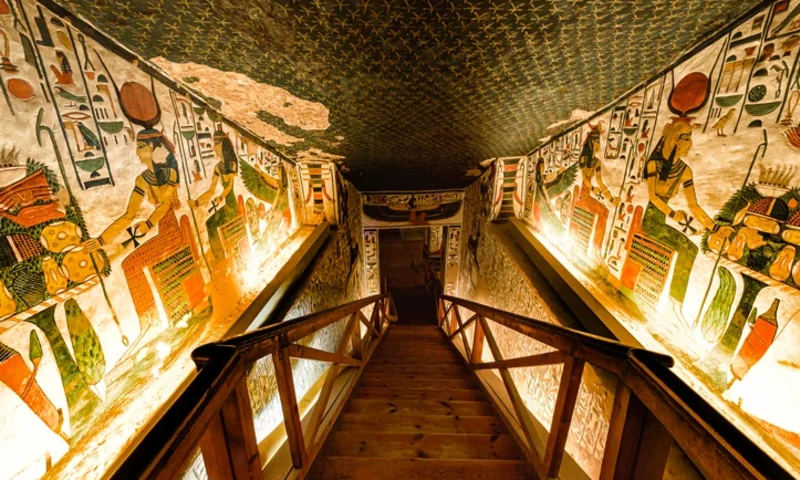
The interior of Nefertari's tomb was designed to help the queen to transition from the world of the living to the afterlife. It features a number of chambers, stairs and painted walls.
Structure of the chambers:
The tomb itself has an entrance with stairs to lead to the upper chamber. There are then further steps to lead to the burial chamber. The tomb has many side rooms and painted walls.
The burial chamber itself is very impressive with painted columns and an astronomical ceiling. The golden stars look up to the sky with the dark blue background.
The tomb has been designed with a clear structure to allow the deceased to transition through different areas. Religious imagery has been used to help protect and guide the queen through her journey. Almost every architectural feature has been used to help give the tomb a funerary meaning.
Egyptian gods within the tomb:
There are many important gods featured throughout the tomb. Isis, Nephthys, Hathor, Anubis, Osiris and Thoth. All of these have a different meaning within Egyptian beliefs.
Isis and Nephthys were linked to mourning and divine protection. Anubis was linked to embalming and burial. Osiris represented rebirth and the afterlife. This demonstrates how the tomb was prepared with religious beliefs to ensure the queen would have a successful journey to eternity.
The tomb also has paintings of Nefertari taking part in rituals and offering. This highlights how she had a strong relationship with the gods and had transformed into an eternal figure who would be protected by the gods.
Comparison to Other Royal Monuments:
Unlike many large temples, the tomb has been decorated to provide a funerary environment. The paintings provide religious protection for the queen rather than showing public events or military successes.
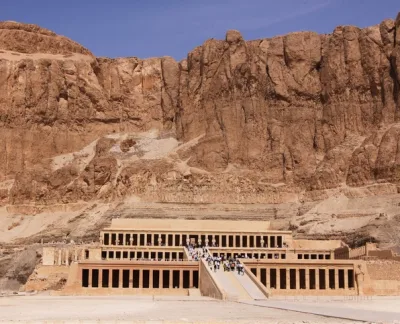
Other monuments on the West Bank of Luxor show different aspects of royal monuments. The nearby Hatshepsut Temple has been designed with large architecture and carvings to celebrate the reign and divine links to one of the most amazing female Pharaoh's in Egypt.
Comparing these monuments can help visitors to understand how many different artistic and architectural styles were developed during the New Kingdom.
How Was the Tomb of Nefertari Discovered and Preserved?
The tomb of Nefertari contains an astonishing array of ancient artwork; however, there are serious conservation issues.
Who Discovered the Tomb of Nefertari?
Nefertari’s tomb was discovered by Italian archaeologist Ernesto Schiaparelli in 1904 whilst excavating the Valley of the Queens. Despite the grave having been robbed back in ancient times, the beautifully decorated walls have been one of the most impressive finds.
The tomb of nefertari soon became an instant hit due to the quality of artworks within. Archaeologists realised that the paintwork was an important source of information regarding New Kingdom mortuary practices, royal depictions and artistic techniques.
The tomb contained some interesting findings such as various artefacts from the burial but it was unclear as to whether this was Nefertari’s mummy.
Why Was the Tomb Conserved?
The changing levels of humidity and salts in the limestone resulted in the tomb’s painted plaster decaying. Parts of the tomb started to become unstable.
The Getty Conservation Institute worked alongside the Egyptian Antiquities Organisation to carry out a large conservation project. Between 1986-1992, conservators examined the material used to create the tombs. They stabilised any unstable parts and developed techniques to protect the paintings without altering how they originally looked.
This project has become an important example of international collaboration in archaeological conservation. It also shows that ancient monuments should be monitored regularly.
Can You Visit the Tomb of Nefertari?
At certain times Nefertari’s tomb has been closed off to protect the fragile paintings. Due to these restrictions, it is best to check the most up-to-date official information regarding how you can visit. Policies, tickets and conditions may change.
Whilst it might not be possible to visit, there are still plenty of amazing archaeological sites to visit on the West Bank of Luxor. You can explore the area by booking onto an itinerary such as Trans Travel’s 5-Day Egypt Cairo to Luxor Tour Package. This includes visiting some of the main monuments such as the Valley of the Kings and Hatshepsut Temple. You could also visit Cairo, Aswan and Luxor on the Cairo and Nile Cruise Package. None of these packages mention visiting Nefertari’s tomb so you would have to check this.
Why Is the Tomb of Nefertari Important?
The tomb of nefertari is still one of the most astonishing examples of royal mortuary artwork from Ancient Egypt. The paintings hold great religious significance, technical skill and stunning visuals. It gives us a unique insight into how the Egyptians viewed life after death.
It helps us remember a queen who held a special role in Ancient Egypt during the reign of Ramesses II. It also reminds us how careful we have to be to protect our connections to the ancient world.
Luxor contains some amazing temples and royal tombs. Check out Trans Travel’s Egypt Travel Packages to see the amazing journeys available!
FAQs
1. Where is the Tomb of Nefertari located?
The Tomb of Nefertari is located in the Valley of the Queens on Luxor's West Bank in Egypt. Archaeologists identify it as tomb QV66.
2. Who was Queen Nefertari?
Queen Nefertari was the Great Royal Wife of Pharaoh Ramesses II during Egypt's Nineteenth Dynasty. She was one of the most prominent queens of the New Kingdom.
3. Why are Nefertari's tomb paintings famous?
The paintings are celebrated for their vivid colors, exceptional craftsmanship, and religious scenes depicting the queen's journey into the afterlife.
4. Who discovered the Tomb of Nefertari?
Italian archaeologist Ernesto Schiaparelli discovered the tomb in 1904 during excavations in the Valley of the Queens.
5. Is the Tomb of Nefertari open to visitors?
Access has been restricted at different times for conservation reasons. Travelers should check current official opening and ticket information before visiting.