

Introduction
Islamic Cairo constitutes the historic core of Cairo, which was laid out by various Islamic dynasties, starting with the Fatimids in the tenth century and including the Mamluks and Ottomans. The district is exceptionally well-preserved and is recognized as one of the densest aggregations of medieval Islamic structures in the world. Contrary to popular belief, Islamic Cairo Attractions is not a specific monument, such as the pyramids or the Egyptian Museum. Rather, it is a whole quarter with a unique old-fashioned character, narrow alleys, bustling supermarkets, and hundreds of mosques and monuments that have been standing for several centuries.
Table of content:
- What Islamic Cairo Is and Why Travelers Visit
- Al-Muizz Street and the Historic Core
- Historic Mosques and Islamic Architecture
- The Citadel and Surrounding Area
- Khan el-Khalili and the Markets
- Museums Within Islamic Cairo
- Getting Around Islamic Cairo
- Combining Islamic Cairo with a Wider Egypt Trip
- FAQs
What Islamic Cairo Is and Why Travelers Visit
Islamic Cairo Guide, History and Top Attractions to Explore
Islamic Cairo is the ancient part of the city, which was developed by the different Islamic dynasties from the 10th century until today. This part of the city is one of the most extensive and well-preserved medieval Islamic architectures in the world. Unlike the Pyramids or the Egyptian Museum, these are not just a few notable buildings, but whole quarters, with centuries-old mosques, monuments, and numerous markets. For those considering Egypt travel packages, the Islamic part of Cairo is usually combined with other sights around the capital.
This guide will provide information about Islamic Cairo Attractions. It includes the main streets and buildings, the best way to explore it, and how to combine this district’s sights with other places in Cairo or Egypt.
Al-Muizz Street and the Historic Core
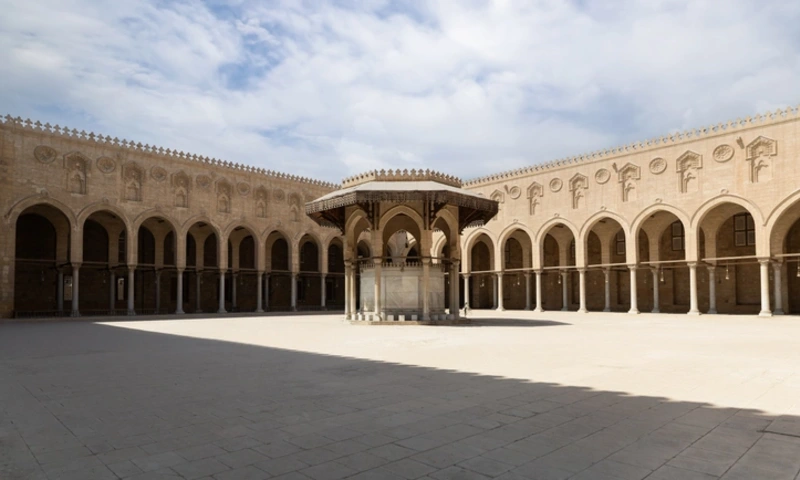
Al-Muizz Street is a street located in the center of Islamic Cairo. It serves as an open-air museum of Islamic architecture with mosques, madrasas, sabils, and merchant houses tracing centuries of history. A walk up this street, usually not in one go due to its length, reveals many of Cairo's most important monuments. These include the Qalawun complex and the Al-Hakim Mosque, which are found near the northern end of the street and the gates respectively.
The street is framed by two of the ancient Fatimid city gates, Bab Zuweila and Bab al-Futuh, at either end. As a traveler planning a tour of Egypt, it is essential to understand how Islamic Cairo fits into a larger Egypt tour. The 5-Day Egypt Cairo to Luxor Tour Package is just one example of how tours often focus on the capital before heading south.
Historic Mosques and Islamic Architecture
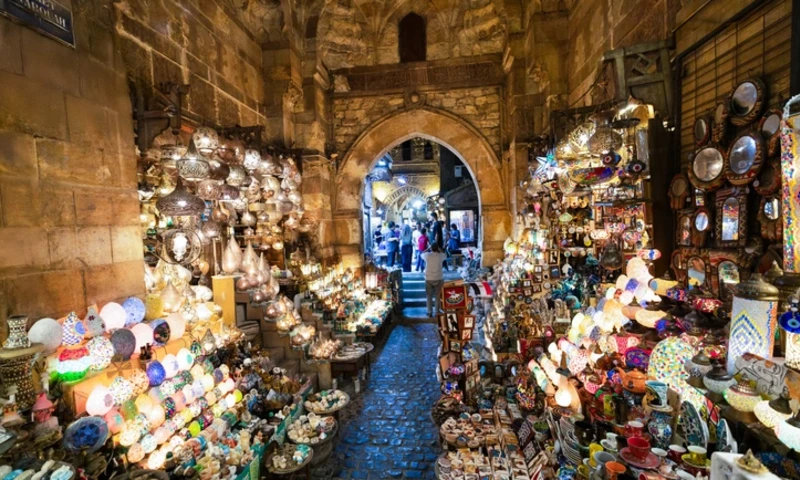
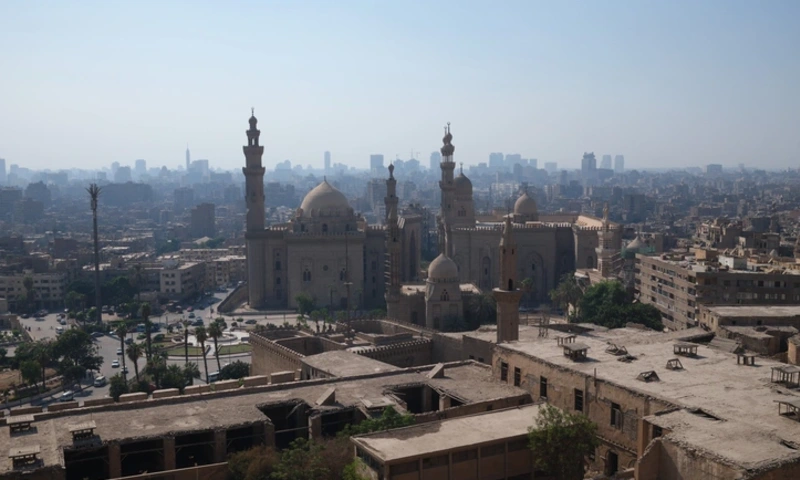
Islamic Cairo's mosques represent nearly every major era in Egyptian Islamic architecture. The Al-Azhar Mosque, founded in 970 AD, is one of the world's oldest continuously operating universities as well as a working mosque, with a courtyard that provides a welcome contrast to the busy markets that frame it.
Sultan Hassan Mosque and the neighboring Al-Rifai Mosque, which face each other over the Citadel, are two of the largest and most impressive structures in the district, the former being especially notable for its vast dimensions and the latter for containing the tombs of several Egyptian royal family members. Ibn Tulun Mosque, one of Cairo's oldest surviving mosques, has a uniquely shaped spiral minaret and an expansive courtyard, a rarity in this part of the city.
The Citadel and Surrounding Area
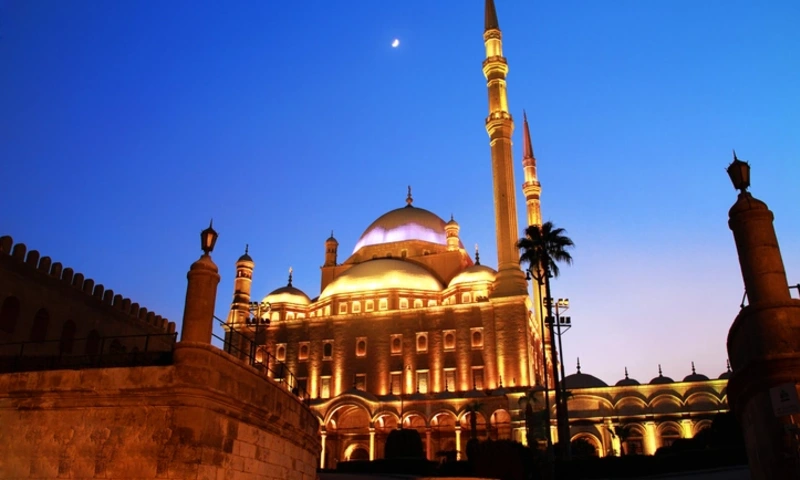
The Citadel of Saladin overlooks the district and much of the city beyond from a hilltop and was built in the twelfth century and enlarged in later centuries by successive kings. Inside the castle, the Mohamed Ali Mosque, with its Ottoman-style domes and twin minarets, dominates Cairo's skyline and is often the most visible single structure associated with Islamic Cairo from a distance.
The Citadel complex also includes a number of smaller mosques and museums, and its location on a hilltop makes it a convenient place to stop and orient yourself before or after wandering the more confined streets of the district below.
Khan el-Khalili and the Markets
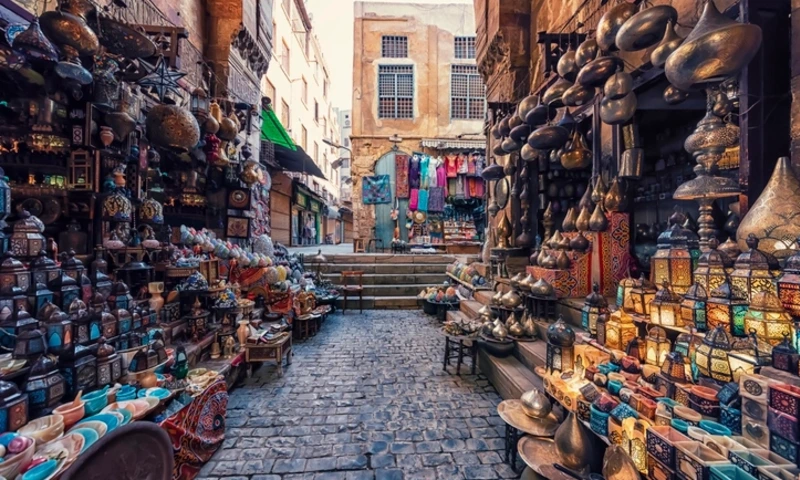
Khan el-Khalili is one of Cairo’s oldest and most popular markets, which has been operating since the 14th century. Besides being a major center of commerce, the market also draws many tourists in because of its unique bazaars selling spices, metalware, textiles, and gold jewelry, as well as traditional coffee shops, such as the famous El-Fishawy. The market is located within walking distance of Al-Muizz Street and Al-Azhar Mosque, making it a part of a popular tourist route.
Museums Within Islamic Cairo
The Museum of Islamic Art, near the district's edge, holds one of the world's most significant collections of Islamic artifacts, spanning textiles, ceramics, woodwork, and metalwork from across the Islamic world, not solely Egypt. For a broader look at how this museum fits alongside Cairo's other major collections, our guide to Egyptian Museums covers the city's museum scene as a whole.
Getting Around Islamic Cairo
Islamic Cairo's streets are either pedestrianized or too narrow for ordinary traffic, making walking the best way to see the sights once you're in the district. Most people take a taxi or a ride-hailing app to the area, where they hop out and proceed on foot, since getting from one attraction to another in any other kind of conveyance would be difficult. Fortunately, there are plenty of attractions within a half- to full-day's walk of each other, so you can easily tour the district on foot.
Combining Islamic Cairo with a Wider Egypt Trip
Islamic Cairo pairs nicely with the rest of the must-see sites around Cairo, including the pyramids, the Egyptian Museum, and more that are included in our Cairo City: Complete Cairo Travel Guide and Things to Do in Cairo Egypt. For travelers hoping to go beyond the capital, the Egypt Vacation Package: 12-Day Cairo, Nile Cruise & Hurghada shows how a trip to Cairo including Islamic Cairo can evolve into an even longer journey of the Nile and the Red Sea Coast. For context on how the different regions of Egypt relate, please visit our Egypt Travel Guide.
How Much Time to Spend in Islamic Cairo
A whole day is enough time to stroll at a leisurely pace along Al-Muizz Street and visit one or two of the larger mosques, the Citadel, and Khan el-Khalili. Those particularly interested in Islamic architecture or planning to visit the Museum of Islamic Art as well often prefer to devote a day and a half or two separate excursions to exploring this captivating district
FAQs
1- How many days do you need for Islamic Cairo?
A day tour is enough to see the district, though some travelers add a day and a half to the program, as it takes more time to explore the Museum of Islamic Art.
2- What is the best way to start exploring Islamic Cairo?
The best way to start touring Islamic Cairo is to arrive at Bab Zuweila or Al-Azhar Mosque and head to Al-Muizz Street.
3- Is Islamic Cairo walkable, or do you need transport between sites?
The streets of this district are either small or closed to traffic, so touring Islamic Cairo is mostly done on foot.
4- What is the difference between Islamic Cairo and the rest of the city?
Strictly speaking, Islamic Cairo is the ancient part of the city developed by the Fatimids, Mamluks, and Ottomans – hence its difference from Giza, where pyramids are located.
5- Can Islamic Cairo be combined with the pyramids in one day?
Tourists can see both Islamic Cairo and the Pyramids, but it is a stretch to include both into one day. It is better to allocate one day to Giza and another day to Islamic Cairo.