

Introduction
Table of content:
- What Cairo City Is and Why Travelers Visit
- Getting Oriented: Cairo's Main Districts
- The Giza Plateau and the Grand Egyptian Museum
- Islamic Cairo and the City's Historic Core
- Cairo's Downtown and the Egyptian Museum
- Beyond the City: The Desert and Day Trips
- Getting There and Getting Around
- How Much Time to Spend in Cairo
- FAQs
What Cairo City Is and Why Travelers Visit
Cairo City is Egypt's capital and, for most travelers, the starting point of any trip through the country. It's a sprawling, layered city where the Giza Plateau sits at the western edge, Islamic Cairo's minarets rise near the city center, and the Nile cuts through the middle, dividing neighborhoods that range from centuries-old to entirely modern. Few capitals anywhere combine this much ancient history with the everyday energy of a city home to more than 20 million people.
This Cairo Travel Guide is built around trip planning rather than a list of attractions. If you're looking specifically for things to see and do, our guide on Things to Do in Cairo Egypt covers that in detail. Here, the focus is on understanding how Cairo is laid out, how much time to budget, how to move around the city, and how Cairo connects to the rest of an Egypt itinerary, something worth considering early, since many travelers extend their trip with Egypt Travel Packages that combine Cairo with Luxor, Aswan, or a Nile cruise.

Getting Oriented: Cairo's Main Districts
Cairo doesn't have a single center in the way some cities do. Giza, technically its own governorate but functionally part of greater Cairo, sits on the west side of the Nile and holds the Pyramids and the Sphinx, along with the Grand Egyptian Museum nearby. Downtown Cairo, laid out in the nineteenth century with wide boulevards inspired by European city planning, sits closer to the river's east bank and holds Tahrir Square and the Egyptian Museum.
Islamic Cairo, further east, is where the city's medieval character survives most intact, with Khan el-Khalili bazaar, the Citadel of Saladin, and dozens of mosques and madrasas packed into a dense historic quarter. Zamalek, an island in the Nile, offers a quieter, more residential contrast, with tree-lined streets and a concentration of cafes and galleries. Understanding these districts upfront makes it easier to plan a Cairo trip that doesn't involve crossing the entire city back and forth each day.
For travelers planning to continue beyond Cairo, this is also where a wider itinerary typically begins. A trip like the Cairo and Nile Cruise Package – 8 Day Egypt Tour uses Cairo as the opening base before continuing south to Luxor and Aswan by cruise, which is a common structure for a first visit to Egypt.
The Giza Plateau and the Grand Egyptian Museum
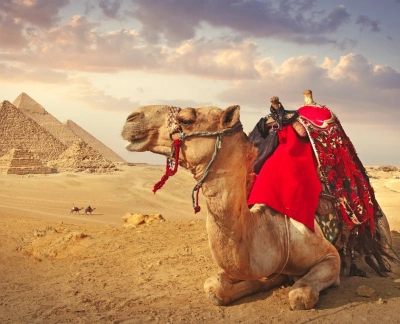
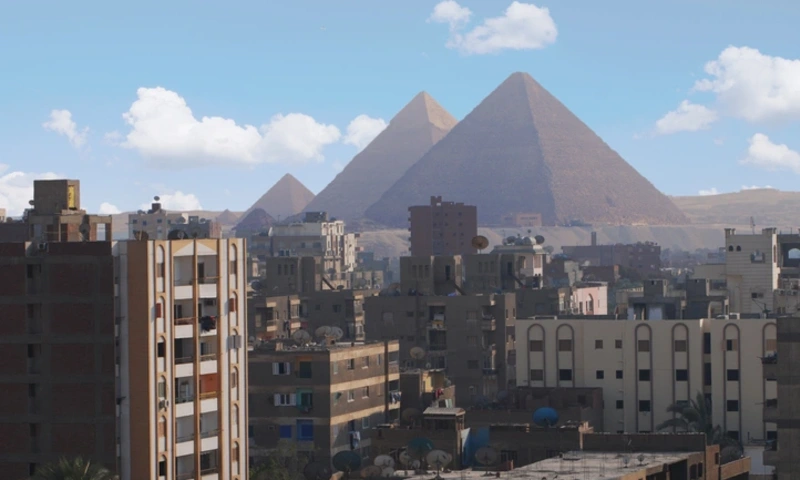
The Pyramids of Giza remain Cairo's most recognizable site, and no first visit really skips them. The plateau holds three main pyramids, built for Khufu, Khafre, and Menkaure, along with the Sphinx and several smaller structures. Our guide on the Pyramids of Giza covers the site's history and layout in more detail for travelers wanting to prepare further.
A short distance away, the Grand Egyptian Museum has become one of the city's major draws since its opening, housing an enormous collection that includes the complete Tutankhamun collection displayed together for the first time. Many visitors pair a Giza Plateau morning with a museum afternoon, since the two sites sit close enough together to combine comfortably in a single day.
Islamic Cairo and the City's Historic Core
Islamic Cairo rewards slower exploration than the Pyramids do. Khan el-Khalili's narrow lanes have functioned as a market since the fourteenth century, and wandering without a fixed plan is often the best way to experience it. Nearby, the Citadel of Saladin sits on a hilltop with views across the city and houses the Mohamed Ali Mosque, recognizable by its Ottoman-style domes. Al-Muizz Street, running through the heart of the old city, is lined with some of Cairo's best-preserved medieval architecture, including mosques, sabils, and merchant houses spanning several centuries of rule.
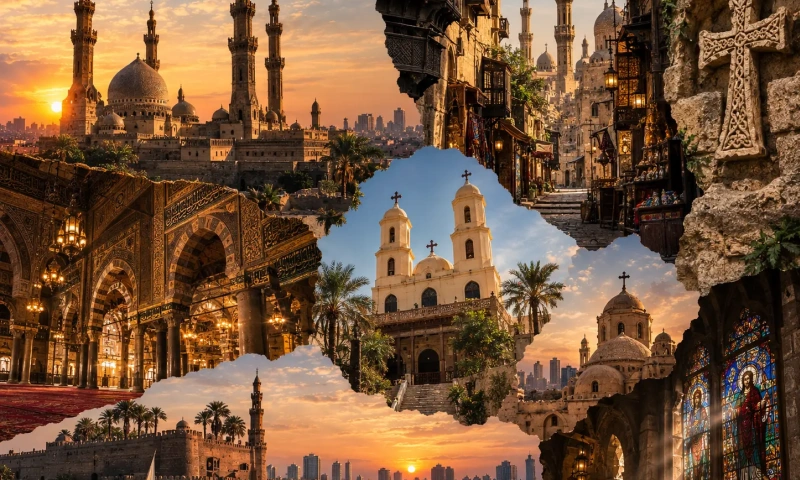
Cairo's Downtown and the Egyptian Museum
Downtown Cairo has a different feel to it, more similar to a European capital at the same period when it was built. The Egyptian Museum, located on Tahrir Square, was home to the country’s largest collection of antiquities for over a century before most of them were relocated to the Grand Egyptian Museum. However, it still has one of the most important collections of royal mummies alongside the Old Kingdom treasures. It is worth visiting downtown to see Egypt’s early twentieth-century architecture that is no longer seen elsewhere in the city.

Beyond the City: The Desert and Day Trips
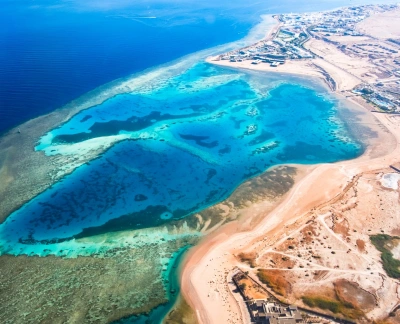
Cairo is also the ideal starting point for seeing Egypt's desert. Just a short drive away are the oases and other desert areas outlined in our guide to the Desert of Egypt . These itineraries are good options for travelers who want to lengthen their stay in Egypt, and who want to spend some time away from the capital city. For more options, and inspiration on what else Egypt has to offer, see Things to Do in Egypt , which highlights different excursions available throughout the country.
Getting There and Getting Around
Cairo International Airport is Egypt's main international airport, with flights to most major cities in the world, and as such, is where many people arrive for the first time. Getting around the city is easiest with a ride-hailing app or a driver arranged through a hotel, as the traffic and distance between districts makes getting around by other means difficult for first-time visitors. The Cairo Metro is another option, as it runs through the heart of the city and has a station near Giza, as well as being generally faster than driving during rush hour.

How Much Time to Spend in Cairo
Three to four days is enough time for a tour of the Pyramids, the Grand Egyptian Museum, Islamic Cairo, and the Egyptian Museum. Vacationers with less time tend to favor Giza and another historic district, and those with more time to spare often consider Cairo a stop on the way to Luxor and Aswan. For tourists considering their options for their next destination, the Egypt Cairo to Luxor is a popular choice to extend their travels south after exploring Cairo.
FAQs
1- How many days do you need in Cairo?
Most travelers need 3 to 4 days in Cairo to comfortably explore the Pyramids and the Grand Egyptian Museum and the best places to eat and shop in Egypt.
2- Is Giza part of Cairo?
Giza is actually a separate governate from Cairo, but it's right next to the capital, and it's where the Pyramids and the Grand Egyptian Museum are located.
3- What's the best way to get around Cairo?
The easiest ways to get around in Cairo, Egypt are by app-based car service or private driver from your hotel, and the metro is often the fastest option for getting to and from the Pyramids when traffic is heavy.
4- Should I visit the Egyptian Museum or the Grand Egyptian Museum?
Ideally, you should try to visit both the Egyptian Museum of Cairo and the Grand Egyptian Museum, as both contain many ancient royal tombs, mummies, and famous relics from ancient civilizations of Egypt.
5- Can Cairo be combined with Luxor and Aswan in one trip?
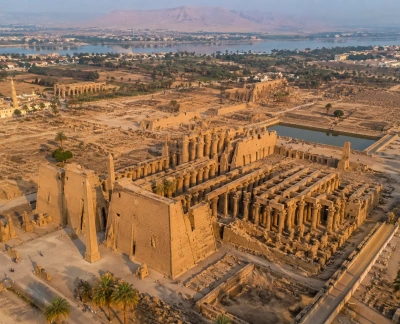
Cairo makes the perfect embarkation point for a cruise down the Nile River to the Valley of the Kings, a UNESCO World Heritage Site. Alternatively, you can take an afternoon domestic flight from Cairo to Luxor or Aswan or even fly directly to Luxor or Aswan and then return to Cairo on the return leg of your trip.