

Introduction
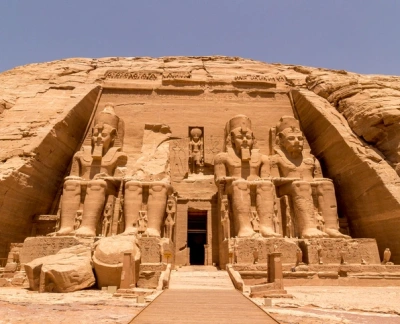
Luxor Town is a city located on the east bank of the Nile River in Upper Egypt, built on the territory of the ancient city of Thebes, which was the capital of Egypt during the New Kingdom period. Ancient history comes back to life in Luxor, where some of the most notable and mysterious ancient constructions were found. The city has a unique character because it is located near Karnak and the Luxor temple, and besides, the Valley of the Kings, Queens, and the Mortuary Temples of the West Bank are also located in the city. What is more, many tourists choose to extend their tour from Cairo to Luxor because of the large concentration of ancient temples and tombs in the area.
Table of content:
What Luxor Town Is and Why Travelers Visit
Luxor, a modern city on the east bank of the Nile in Upper Egypt, is built on the ancient capital of Thebes and was the royal residence of Egypt during the New Kingdom era. Surrounded by some of the most important and ancient monuments, including the Karnak temple complex and Luxor temple, set within the modern town, while the Valley of the Kings, Valley of the Queens and the mortuary temples of the West Bank are found just across the river. For many it is the main attraction of Egypt beyond the capital, boasting one of the highest concentrations of ancient temples and tombs in the world.
The Luxor Egypt Travel Guide provides information regarding planning a visit to one of the most historically rich cities in the world, rather than promoting any particular tour. It includes information regarding the layout of the town, overview of the most famous monuments and practical information regarding visiting procedures and transport, both arriving to the city and getting around within. Furthermore, it will also include how to plan your own Egypt travel Packages, including the possibility of a multi-day trip to Luxor, as well as part of a larger cruise along the Nile between Aswan and Luxor.
Getting Oriented: East Bank and West Bank
Luxor can be conveniently split into two areas by the Nile River. First is the East Bank, which is where the modern town is sited, together with the Luxor Temple and the Karnak Temple complex a short distance to the north. This is where most of the hotels, restaurants and the Corniche are to be found, with Luxor International Airport some kilometers distant.
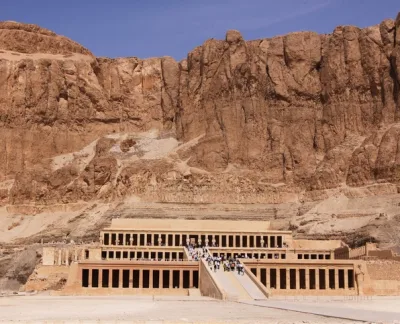
The West Bank was, in ancient times, very much associated with the deceased. Ancient Egyptians would bury their Pharaohs and nobles on this side of the river as it was here that the sun set beyond the hills to the west, representing the portal to the afterlife. Today, this area is home to the Valley of the Kings and Queens, the temple of Hatshepsut at Deir el-Bahari, the Colossi of Memnon and a number of lesser-known tombs, all of which are accessible to tourists on a rotating basis. Most visitors will cross the river either by bridge or by taking a short boat ride across, and it's not uncommon to hear people planning to visit the West Bank in the morning, as the archaeological sites here tend to open earlier than those on the East Bank.
Travelers can Look to our Egypt Nile Cruises or Egypt Travel Packages to see if they want to explore Luxor tow
Karnak and Luxor Temple
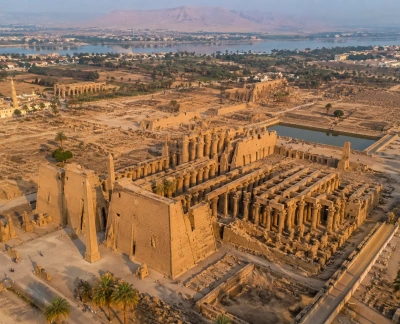
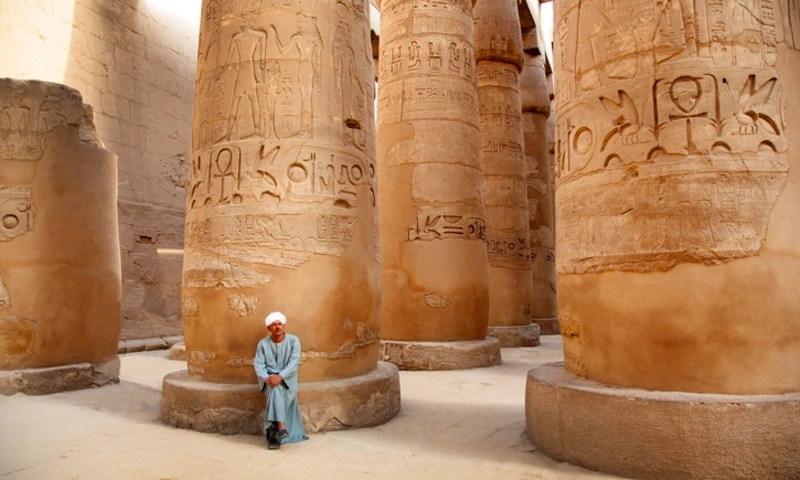
Karnak is often the first destination to be visited, and it is easy to see why. This complex of temples was built and enlarged over a period of about 1,300 years by successive pharaohs and incorporates the Hypostyle Hall, with its great colonnade, sacred lakes, obelisks and smaller temples all enclosed within the massive temple walls. It repays a slow, lingering visit rather than a hurried one.
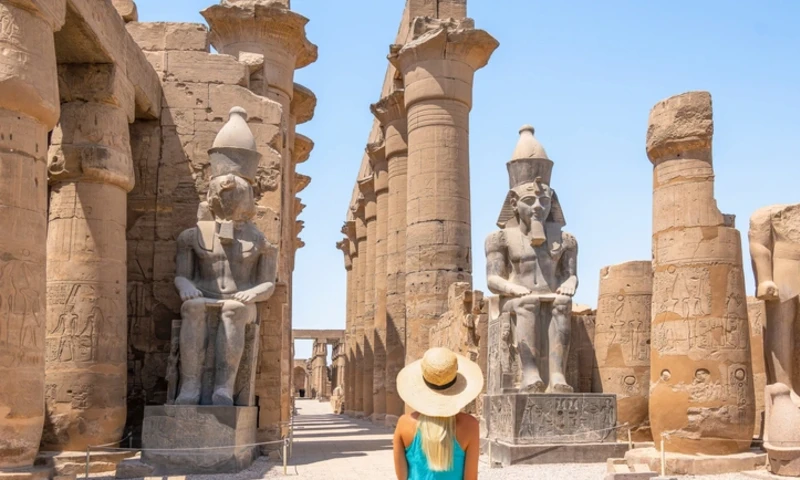
Luxor Temple is located closer to the modern town and was linked to Karnak via the Avenue of Sphinxes, an ancient processional route recently excavated and reopened for tourists. Luxor's temple differs from Karnak's in being visited in the early evening, when it is dramatically illuminated, to see the details of the fine columns and statues.
The West Bank's Royal Necropolis
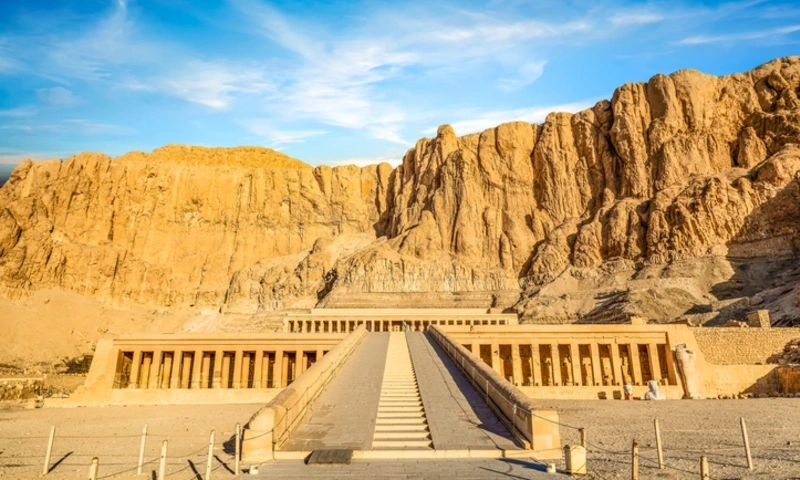
The Valley of the Kings is home to the tombs of such Pharaohs as Tutankhamun, Seti I, and Ramesses IV, among dozens of other ancient rulers. However, the access to the tombs can change, and some of them require a separate ticket, so it is better to check in advance what is open for visiting at the time of the planned trip. A bit aside from the Valley of the Kings, the Temple of Hatshepsut is built, following the slope of the cliff, from three levels and was constructed for one of Egypt’s few female Pharaohs.
Further exploring can begin in the Valley of the Queens, a lesser-known place compared to the Valley of the Kings, which has the most splendid tomb of Nefertari, open for visitors. The Colossi of Memnon, two colossal statues of Egyptian kings, former guardians of the mortuary temple, lead to the next area and do not require separate tickets, as they can be viewed from the road.
Balloon Rides and the View from Above
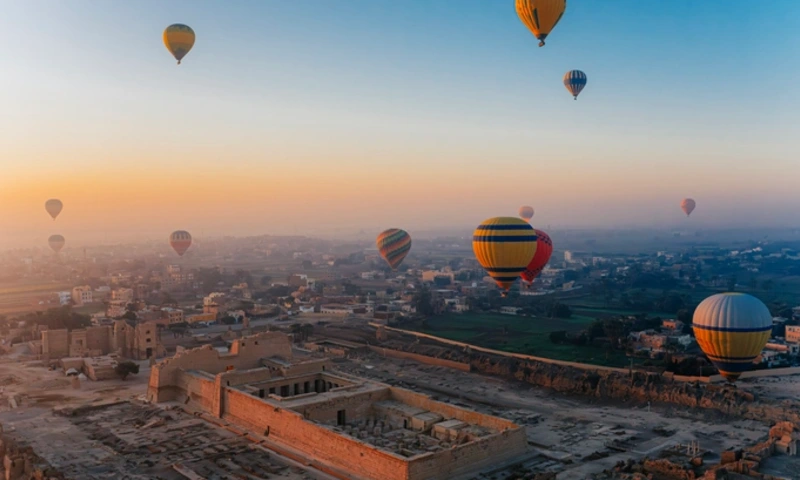
Luxor is one of the few places in Egypt where hot-air balloon rides are available, departing from the West Bank just before sunrise. Drifting over the Valley of the Kings and its surrounding hills provides an altogether different perspective on the crowded necropolis and the constricted nature of the Nile Valley between the desert on either side. Not essential, but a popular choice if you have an extra morning to spare.
Getting There and Getting Around
The easiest way to get there independently is to fly into the Luxor International Airport, near Luxor, Egypt, which has limited domestic flights to Cairo and other Egyptian cities. There are also overnight trains from Cairo to Luxor. Most people, however, tend to arrive in Luxor on a cruise up the Nile River from Aswan, using the town as either their embarkation or destination point, rather than travelling directly to it.
There are two main ways to get around in Luxor: taxi or arranged transport from your hotel, and horse-drawn caleche riding along the Corniche, although it is usual to haggle over the fare. Alternatively, without a private guide, you could do a day trip in Luxor, which typically includes both banks of the Nile.
How Much Time to Spend in Luxor
Two days is the minimum amount of time you need to see Karnak, Luxor Temple, and the major West Bank attractions without hurrying. Some travelers add a third day to explore the Valley of the Queens, take a felucca ride on the Nile, or try a sunrise/balloon ride. If you're arriving in Luxor via cruise ship, you may only have a day to spend in the city, in which case it's best to prioritize Karnak and the Valley of the Kings. Luxor is also a perfect place base a short Egypt tour around, as it's easy to add on Aswan and/or Cairo as well given domestic airline connections and the cruise routes along the Nile.
For more information on touring Egypt with Luxor as a base, see our guide to visiting the Valley of the Kings, what to know before taking a Nile cruise, when it's best to visit Luxor, and the ancient history of the Karnak Temple complex. Travelers can also look in Things to See in Luxor Egypt to see what they possibly can do or explore in Luxor Town
FAQs
1- How many days do you need in Luxor?
Most people usually spend 2 or 3 days in Luxor to see Karnak, Luxor temple and all the wonders in West Bank like Valley of Kings and Queen Hatshepsut’s temple.
2- Is it better to fly into Luxor or take the train or a Nile cruise?
It is all right, because you can fly from Cairo directly, take the night train from Said el Aali which is a budget option or take a Nile cruise from Aswan to Luxor and also enjoy the scenery along the way.
3- Do I need a tour guide to go to Valley of the Kings?
I think it is not compulsory, but most people prefer to have a tour guide, simply because there are a lot of tombs and also some of them are closed due to restoration works.
4- Should I visit the Karnak and Luxor Temples in the morning or afternoon?
You should visit Karnak Temple in the morning, before noon, when it is still cool, and go to the Luxor Temple in the late afternoon when it is flooded with lights after sunset.
5- Can I do Luxor as a day trip, or should I stay overnight?
It depends on your schedule, in most cases people who take a Nile cruise from Aswan to Luxor prefer to stay overnight in Luxor. Also people who fly to Luxor and go back the same day prefer to stay overnight in Luxor because they have more time to explore the East and West Bank.