

Introduction
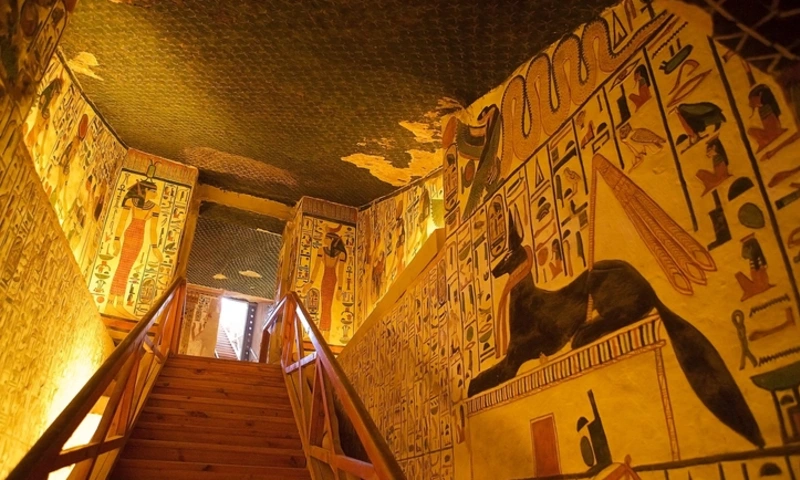
If you walk into an Egyptian temple, and the carvings depict a menagerie of animals: a falcon-headed sky god, a jackal leading the deceased toward the afterlife, a cat, a crocodile. It is no accident that ancient Egyptian Gods with Animal Heads, Animal Egyptian Gods, it is a way to convey at a glance information about a god’s role and power.
Table of content:
- Animal Egyptian Gods: Names, Powers and Sacred Symbols
- Why Were Animals Important in Ancient Egyptian Religion?
- Who Were the Most Famous Egyptian Animal Gods?
- Which Other Egyptian Gods Had Animal Features?
- What Powers Did Egyptian Animal Gods Represent?
- Where Can You Discover Egyptian Animal Gods in Egypt?
- FAQs
Animal Egyptian Gods: Names, Powers and Sacred Symbols
Just walk into any Egyptian temple and you will instantly find a few characters carved on the walls – the sky god depicted with a falcon’s head, the jackal guiding the dead to the afterlife, the cat, the crocodile – so many more. Animal headed Egyptian gods were a staple of Egyptian art – the carvings and paintings helped to instantly convey the powers and areas of authority of a given deity. This guide will help you read the visual language of Ancient Egyptian gods and goddesses. We’ll introduce you to the most popular animal headed gods and goddesses of Ancient Egypt and help you decide which ones you want to see first. Want to visit the most famous temples and feel the ancient power of these gods yourself? Explore our Egypt Travel Packages and design your own route!
Why Were Animals Important in Ancient Egyptian Religion?
Ancient Egyptians had a unique attitude toward the animals that shared the Nile valley with them. They observed how the falcon soared above the horizon, the jackal slinking through the sand, the crocodile lurking in the river, and saw characteristics worthy of gods. Our guide to Egyptian Deities takes an in-depth look at the divine pantheon.
What Was the Religious Significance of Animals in Egypt?
To the ancient Egyptians, animals were a source of inspiration. Every creature had its own characteristics and talents, for example, a keen sense of direction in jackals or the ability to see far away in falcons. The first gods’ idols were chosen with these same attributes in mind. A falcon symbolized keen eyesight and soars high in the sky, a jackal was a clever beast accustomed to sneaking around tombs, a cat was an excellent watchman, and a crocodile – a manifestation of the river’s power. A cow was seen as a source of food and associated with motherhood, while a ram was a powerful beast, linked with fertility and strength. Depicting a god in the form of an animal or a hybrid creature made it possible for uneducated people to understand its meaning and recognize its image.
What Was the Reason Behind Gods Having Animal Features?
The gods’ animal features meant that they had some of the best qualities of the creatures to which they were compared. Ancient Egypt’s religious figures were usually portrayed as part human and part animal. This was probably done to make gods more accessible and relatable to the villagers. Gods that had physical forms could perform everyday actions, such as sitting on a throne or carrying objects. In many temple reliefs, Egyptian gods and goddesses are shown holding scepters and standing or walking as humans do. Moreover, different gods could have different animal features in different cultures and eras. For instance, Thoth could appear as an ibis, a baboon, or a man with an ibis’s head, and Hathor – as a woman, a cow, or a combination of both.
Could the Ancient Egyptians Have Worshiped Animals as Gods?
Most Egyptologists believe that animals only served as apocalyptic accessories for gods. During later periods anthropomorphic gods were still worshiped, however, priests took good care of sacred animals. For example, a magnificent black bull from Memphis, considered a living embodiment of Ptah, was kept at the temple. Apart from it, a considerable number of cats, ibises, and falcons were mummified and buried as sacrifices to different gods, representing the power of the deity.
Who Were the Most Famous Egyptian Animal Gods?
Some of the Animal Egyptian Gods are easily identifiable with the knowledge of a couple of characteristic signs, and quite often their images are found in temples, tombs, and museums. So what is special about these deities? And what is the meaning of the characteristics that they have?
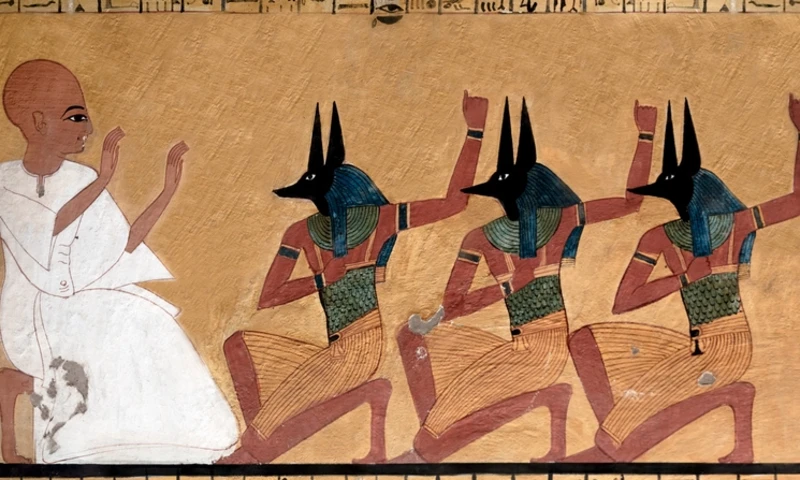
What Was the Significance of Anubis’s Jackal’s Head?
The jackal’s head as Anubis’s feature is explained by the fact that the god watches over the cemeteries. These wild animals inhabited the desert’s edge, so they were associated with the burial grounds long ago. Anubis’s role ranges from protector to opener of the way to the underworld – he was the one who weighed the hearts of the deceased on the scales with the feather of truth. The jackal’s black coat symbolizes both the swamp’s fertility and renewal.
What Were Horus’s Falcon Eyes a Symbol Of?
Horus was one of the most prominent gods who had the sky, storms, and winds as his realm. Ancient Egyptians believed that every pharaoh was a living Horus – his spiritual manifestation. That is why the god’s eyes, associated with vigilance and far-sightedness, became an attribute of the pharaohs’ protection. More than that, the amulets, carvings on the boats, and the coffins’ decoration depicted Horus’s Eyes – the gods’ symbols of healing and harmony.
What Mythology Was Associated With Bastet’s Cats?
Bastet’s mythology was related to Bast’s City and the protector goddess who watched over the people, granaries, and the harvest. Her first appearance was as a lioness, but then Bastet began to be depicted as a cat or a woman with a feline head. The cat’s image symbolized both the guardian of the granaries from mice and the motherly care for her kittens. Temples dedicated to Bastet gained thousands of mummified cats as offerings from the locals.
Their legends are part of Egyptian myths history that our article uncovers. While you read our article, you learned the interesting facts about animal gods of Egypt. But how was their worship reflected in ancient people’s life? If you want to see the places of Horus and Sobek’s worship, our Egypt Nile Cruises will help you get acquainted with the country’s most outstanding relics.
Which Other Egyptian Gods Had Animal Features?
The Ancient Egypt God and Goddesses and Their Animal Forms Essay
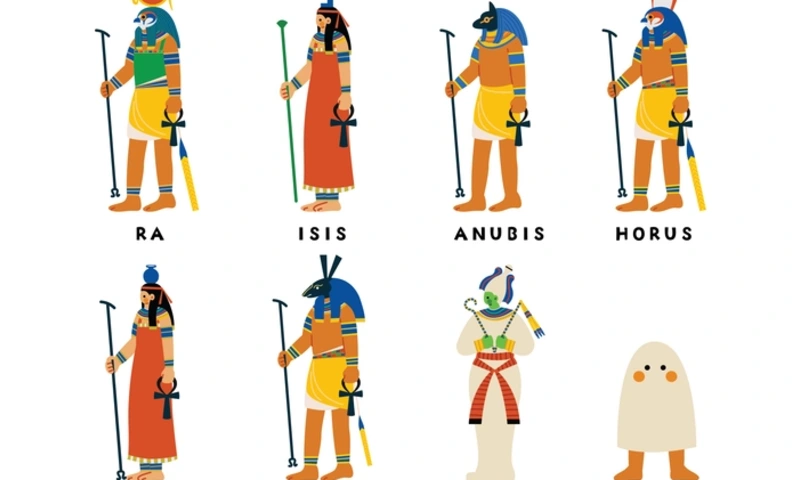
Besides the three very popular gods mentioned above, many more deities took on animal forms, and it is important to note that most were not restricted to one specific body shape.
Why Was Sobek Represented as a Crocodile?
Sobek was the crocodile god associated with the Nile, linked to power, fertility, and the protection of the king. The ancient Egyptians were well-acquainted with crocodiles that lived in the marshes and were afraid of their sharp teeth and powerful jaws. Moreover, the God’s name means “the crocodile,” and his worship centers were in Kom Ombo and Faiyum. Typically, he was depicted as a man with a crocodile head, combined with the disk and horns of the sun god.
What Did Thoth’s Ibis and Baboon Forms Mean?
Thoth was the god of writing, science, and the moon, depicted as an ibis with a long, slender, curved beak, resembling a quill, or a baboon – the sacred animal of Hermopolis. Moreover, in The Necropolis, he was called the ‘scribe of the Gods’ because he wrote the decrees of Osiris, and judged the souls of the dead.
Why Were Hathor, Sekhmet and Khnum Associated With Animals?
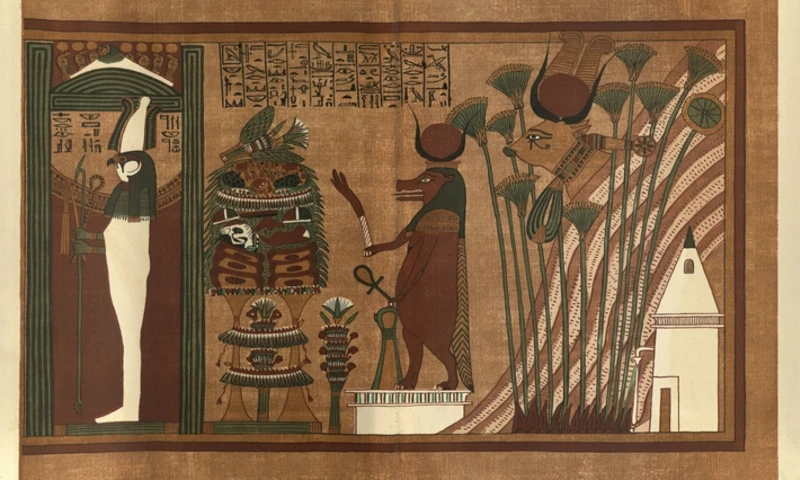
Hathor was the goddess of love, music, and pregnancy, depicted as a cow, or a woman with horns and a headdress made of papyrus or cow’s ears. As for Sekhmet, the lioness, she was the goddess of war and the moon, associated with the protection of the king. Khnum was the creator of men, God of the First Cataract, and the protector of the Nile’s source, depicted as a man with the head of a ram. It is believed that he shaped every human being on the potter’s wheel. His temples were located in Esna and on Elephantine Island.
What Powers Did Egyptian Animal Gods Represent?
Across these biographies, the recurring themes were connected to animals’ symbolic representation in Egyptian mythology. Gods and goddesses with animal features were mostly associated with protection, power, and the fertility of nature rather than a single specific quality.
Which Animal Deities Protected the People and the Dead?
Anubis, the god with the head of a jackal, was in charge of protecting mummies during embalming and guiding the souls of the deceased into the afterlife. Gods and goddesses associated with the protection function included Bastet and were also represented in the form of amulets (falcon, cat, Eye of Horus).
How Were Animal Gods Related to Kingship and Strength?
The sky gods, Horus among them, were associated with the power of the Egyptian pharaohs. Gods like Sobek and Sekhmet were linked to the king’s might through the crocodile and lion powers. The gods’ attributes symbolically describe the rulers’ qualities with the hieroglyphs of an animal associated with power and protection.
Why Were Some Animal Egyptian Gods Connected to Fertility and Nature?
Khnum was associated with shaping and controlling the flow of water, and Hathor was connected to the motherhood and fertility of cows. Gods and goddesses represented the characteristics of the animal species they were associated with Sobek embodied the crocodile’s ability to fertilize marshes, and the Nile’s fertility. The fertility gods were connected to the wealth of Egypt the abundance of food and water.
Where Can You Discover Egyptian Animal Gods in Egypt?
Many temples depict these gods in carved and painted relief, and most lie close to the Nile. Travelers comparing the various animal-headed deities depicted on different temple walls can easily take a tour from Luxor to Aswan and see several.
Why Are Edfu and Kom Ombo Important to Animal Headed Gods?
The Edfu temple was dedicated to Horus, and the falcon-headed statues that guard the temple make it one of the best places to see the sky god. The double temple of Sobek and Horus the Elder was built at Kom Ombo, and its two halls mirror each other, and a small museum nearby has some crocodile mummies. Our guide to Edfu and Kom Ombo Temples can help you learn what to see at these ancient sites.
Where Can You Discover Sacred Animal Symbols in Aswan?
The Philae is an island temple dedicated to Isis, and much of the relief decoration includes the falcon headed Horus, as well as his mother, Isis. Also on Elephantine Island, the Khnum temple’s ruins are open to visitors and depict the ram headed god who was the creator of the Nile. Esna, a city along the Nile river from Luxor, has another Khnum temple.
Which Egyptian Museums Display Animal Related Artifacts?
The many ancient gods and goddesses that take forms part animal part human are well represented by the collection of bronze cats, falcon headed statues, and crocodile mummies. Our guide to Egyptian Museums highlights the major collections in Cairo, and it’s a good idea to check hours before visiting.
Why Do Animal Headed Gods Continue to Fascinate Egypt Tourists?
The fascination with animal headed gods and goddesses stems partly from the power of their imagery, but a closer examination of these mythologies reveals a worldview in which the natural world is inseparable from the divine realm. These Egyptian deities had a long influence on art and literature, beyond Egypt’s borders, and seeing these artifacts in their original setting lend them meaning that photographs simply cannot capture. Once a visitor can identify the animals depicted in the carvings and paintings, the experience of visiting temples becomes even more enriching.
Make your way along the Nile Valley during our Egypt Tour with Nile Cruise, which includes private tours of both Luxor and Aswan.
FAQs
1- Why Did Egyptian Gods Have Animal Heads?
Ancient Egypt culture is very unique and different from any other one. Gods are one of its attractive parts. Almost all the gods have animal heads. There are some reasons for that. First of all, animal features symbolized power and strength. They also symbolized protection, wisdom, and fertility.
2- Which Egyptian God Had a Jackal’s Head?
Anubis is usually depicted with a jackal’s head. He is the god of mummification and protection. Ancient Egyptians respected him and gave him significant power.
3- Who Was the Egyptian Cat Goddess?
Bastet is the goddess whose animal feature is a cat. She was a favorite goddess among the people because she brought protection and prosperity to the people.
4- Which Egyptian God Had a Crocodile’s Head?
Sobek is depicted as a crocodile or a man with a crocodile’s head. He was the ancient Egyptian god of the Nile, power, strength, and fertility.
5- Where Can Visitors See Temples Dedicated to Animal Gods?
Edfu temple is dedicated to Horus while Kom Ombo is dedicated to Sobek and Horus the E