

Introduction
Ancient Egyptian Pharaohs are responsible for creating the most popular monuments for any visitor to Egypt, and finding out key figures will make any trip to these places much more complete.
Table of content:
Why Knowing These Ancient Egyptian Pharaohs Matters Before You Visit
Looking at a temple wall covered with hieroglyphics is an experience that is enhanced when one knows who the carvings are actually referring to. The Pharaoh's of Egypt built the monuments that stand today as a testament to an amazing civilization. Recognizing a handful of Egypt's most influential rulers adds another level of enjoyment to any sightseeing tour. This short article introduces ten rulers whose names dot the landscape of Egypt, from Cairo to Luxor and Aswan. Travel itineraries should include these famous names if an individual wishes to see the wonders of this country. Egypt Travel Packages can reveal an image of this country, with its many unique elements. Following is a brief description of Pharaohs worth noting.
A trip up and down the Nile can begin in Cairo and move southward towards Luxor. Ancient Egypt history includes that of the Pharaohs, and to understand their lives means touring the various monuments left behind for present-day visitors to marvel at. The Cairo and Nile Cruise Package is an example of how a vacation touring these areas could be arranged.
Pharaohs of the Old Kingdom and Early Egypt
Egypt's first ever rulers created the foundations, political and otherwise, that all the pharaohs who came after them built on top of.
Narmer
Narmer is famed for uniting the north and south of Egypt around 3100 BC, the date commonly cited for the establishment of the first Egyptian state, of which he was the first pharaoh. His name lives on through the Narmer Palette, a stone plaque depicting Narmer as the conquering hero who overcame the enemies of the land in a battle. This is considered to be one of the first example of political propaganda. Narmer's achievements may predate most other ancient Egyptian achievements you'll read about, but he still lays the groundwork for what later pharaohs would accomplish.
Djoser
Of the pharaohs on this list Djoser's fame is perhaps the most deserved. He was the one who commissioned the first step pyramid, which was built out of stone and not mud bricks like the pyramids of old. The Saqqara Necropolis is located in Lower Egypt, and was the burial ground of Egypt's third dynasty prior to the sixth.
Khufu
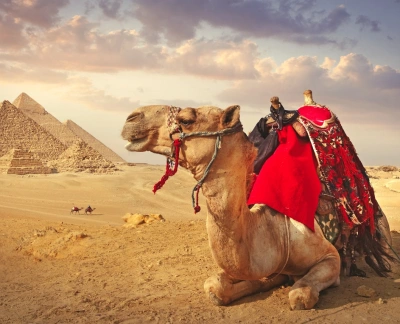
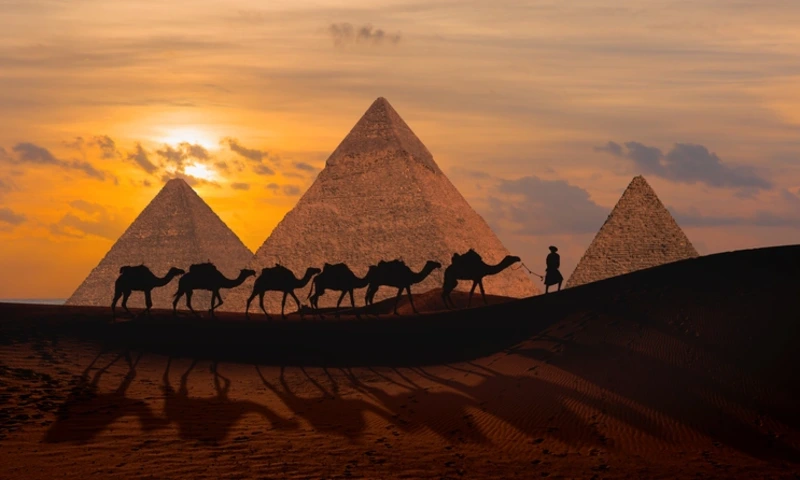
The Great Pyramid of Giza is the largest of the three pyramids on the Giza Plateau, and was the tallest structure in the world when it was built completed around 2570 BC. It is also the only wonder of the ancient world that remains standing to this day. The construction of the pyramid, which was Khufu's commission, is considered to be one of the finest examples of Egyptian craftsmanship. The Pyramids of Giza are the most visited of any structure associated with a pharaoh on this list, and one has to say their sightseeing experience of Egypt is incomplete without seeing the Great Pyramid.
Pharaohs Who Shaped the New Kingdom's Rise
A new dynasty reunified Egypt after a period of foreign rule, initiating the period that created many of Egypt's most recognizable monuments.
Ahmose I
Ahmose I was the founder of the 18th Dynasty, which had come to Egypt after a period of foreign rule. He drove the Hyksos out of Egypt and started the new kingdom period, where Egypt would flourish and build many of its most famous monuments. Ahmose's military campaigns restored Egypt's borders and laid the foundation for the prosperity of the centuries to come.
Hatshepsut
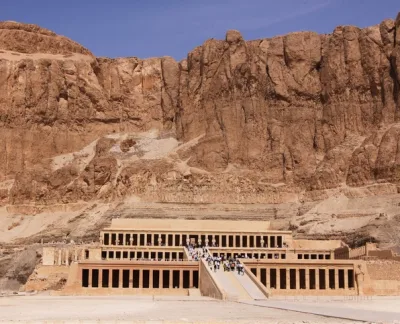
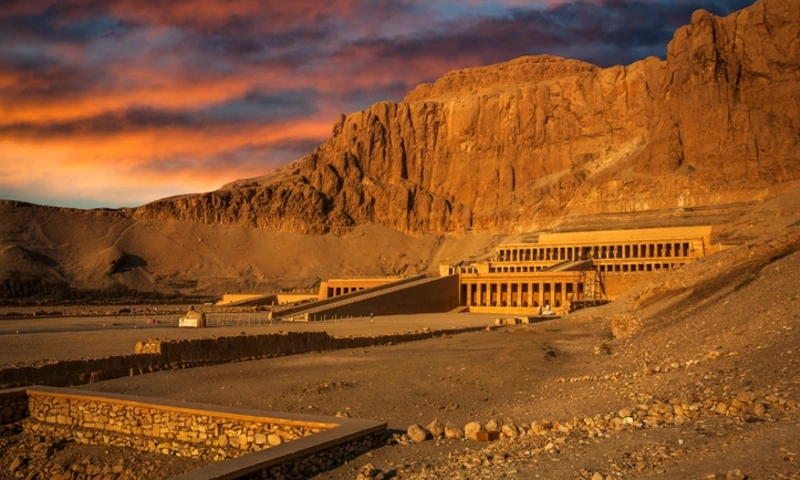
Hatshepsut was a female Pharaoh and ruled Egypt for more than two decades in the 18th Dynasty. During her reign, Egypt prospered and expanded its trade to a greater extent than ever before. The mortuary temple of Hatshepsut, built of limestone and sandstone and perched on the cliffs of the West Bank of Luxor, is one of the most unique structures in Egypt. It rises in three colonnaded terraces to the sanctuary, which contrasts sharply with the usual Egyptian style of pylon and courts. When you visit this temple, the strength of this Pharaoh's personality comes through clearly.
Amenhotep III
Amenhotep III was the Pharaoh of Egypt during one of its most prosperous periods. There was an increase in construction and trade throughout Egypt. Amenhotep III commissioned the construction of Luxor Temple, starting with the colonnade and sanctuary. The Colossi of Memnon, the two giant statues that still stand today in the Luxor West Bank, once formed the entrance to Amenhotep III's mortuary temple.
Pharaohs Behind Egypt's Most Debated and Celebrated Stories
The final era of the New Kingdom has given rise to some of the most fascinating rulers in history, from a radical monotheist to the quintessential pharaoh most people think of when they hear the word "Egypt."
Akhenaten
Akhenaten was a trailblazer, breaking with tradition to introduce a new monotheistic religion centered around the sun disc Aten and moving the capital to a new city, Amarna. Akhenaten's time on the throne is shrouded in mystery, and much of what is known about this unconventional pharaoh and his unorthodox style of art comes from his successors, who reverted many of his changes after his death.
Tutankhamun
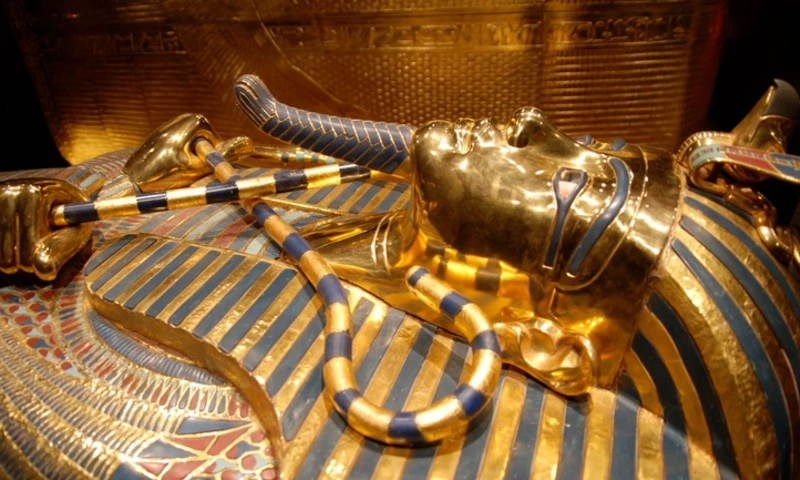
Tutankhamun, Akhenaten's successor and the likely son of the disgraced pharaoh, reigned for a mere decade before his untimely death in his early twenties. His tomb was amazingly well-preserved, containing over 5,000 treasures, including the iconic Gold Mask of Tutankhamun. Consequently, he is the most famous Ancient Egyptian ruler today, with a face recognized by millions worldwide. The tomb was discovered in 1922 nearly intact and has since been a significant exhibit in the Grand Egyptian Museum, part of the complete Tutankhamun collection.
Seti I
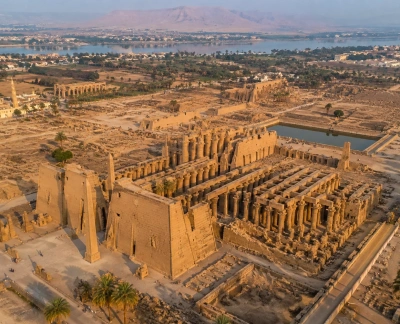
The second of the great New Kingdom warrior-pharaohs, Seti I, was responsible for numerous military campaigns, and he also built extensively, including major additions to the hypostyle hall of Karnak, which ranks as one of Egypt's most visited monuments. His tomb in the Valley of the Kings is one of the finest examples of artistry in the valley, with its beautifully preserved painted reliefs.
Ramesses II
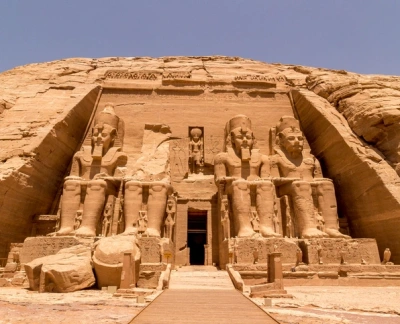
The longest-reigning and most celebrated pharaoh of the New Kingdom, whose 66-year rule produced an estimated 147 monuments across Egypt, including extensive additions at Luxor and Karnak temples, and two colossal rock temples at Abu Simbel that were constructed as memorials to his military victories and long life. The Egypt tour with Nile cruise is one of the best ways to see the legacy of Ramesses II in both Luxor and Aswan since these monuments are a testament to his tremendous building endeavors. Abu Simbel Temples, relocated in the twentieth century to avoid submersion by the rising waters of Lake Nasser, remain one of the most impressive monuments erected by any ancient Egyptian king.
Recognizing These Pharaohs on Your Trip
Once you have some of these names committed to memory, a tour through Egypt becomes more than a series of individual monuments to view and photograph. These ancient wonders of the world have belonged to one continuous history that has stretched from the time of the earliest dynasties to the present day; and seeing one of these astonishing achievements makes more sense if we can understand its place in that longue durée. Khufu's pyramid, Hatshepsut's temple, Seti I's hall at Karnak, and Ramesses II's temples at Abu Simbel are all part of a single narrative, and it is valuable to be able to appreciate the work of each particular pharaoh who created these remarkable structures.
FAQs
1- Who is considered the most famous Egyptian pharaoh?
Tutankhamun is often considered the most famous Egyptian pharaoh internationally, largely due to the near-complete preservation of his tomb and its treasures, though Ramesses II is equally significant for the sheer number of monuments he built.
2- Which pharaoh built the Great Pyramid of Giza?
Khufu commissioned the Great Pyramid of Giza, completed around 2570 BC, the largest of the three pyramids on the Giza Plateau.
3- Why is Hatshepsut significant among Ancient Egyptian Pharaohs?
Hatshepsut was one of Egypt's few female pharaohs, ruling for more than two decades and commissioning her distinctive terraced mortuary temple at Deir el-Bahari.
4- What makes Ramesses II different from other Famous Egyptian Pharaohs?
Ramesses II ruled for 66 years and left more monuments across Egypt than nearly any other pharaoh, including Abu Simbel and major additions to Luxor and Karnak temples.
5- Where can travelers see artifacts from Tutankhamun's tomb?
The complete Tutankhamun collection, including the gold mask, is displayed together at the Grand Egyptian Museum near Giza.