

Introduction
Ramadan in Cairo has a different flavor, a less frantic pace. The early morning hours are much more subdued than during the rest of the year, the whole city seems to swell with energy as the sun sets, and the nightlife turns on with a vengeance after dark, unlike anything you may have experienced in daylight hours.
Table of content:
What Ramadan in Cairo Looks Like
Ramadan in Cairo is experienced differently by ordinary Egyptians, who have adjusted their routines to accommodate the holy month. While the bustle of the city slows down to a walk in the morning, there is an almost electric energy building in preparation for the sunset. And once night falls, the city erupts in a way that daytime hours simply don't allow for. For those interested in getting a taste of this unique phenomenon, Egypt Travel Packages can show how Cairo's highlights can still be seen while observing Ramadan, and our Cairo City guide details the greater capital outside of this time of year.
This post will detail what to expect in terms of events or sights in Cairo during Ramadan, and extend to Ramadan Traditions in Egypt - the food, the adornments, the evenings spent together, and the effects it has on the city as a whole.
Sightseeing and Daily Routines During Ramadan
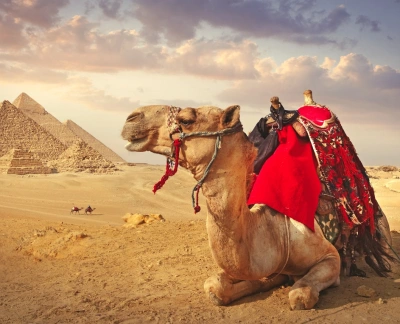
Daytime hours during Ramadan are at a slower pace as most Cairenes are observing a fast from sunrise to sunset and some shops, restaurants, and offices adjust their hours accordingly (open later or close for a while in the afternoon) until iftar. Most major tourist sites including the pyramids and museums stay open during their regular hours, but it's a good idea to check their hours of operation ahead of time as some tend to change during the month.
If you'd like to plan your sightseeing according to this more leisurely pace, our 5-Day Egypt Cairo to Luxor shows you how a Cairo-based itinerary typically looks and can be adjusted for the Ramadan daytime hours, while our guide to Things to Do in Cairo Egypt gives you an overview of the city's main sights that you'll be able to use to plan your own sightseeing around the adjusted hours.
Fanous Lanterns and Ramadan Decorations
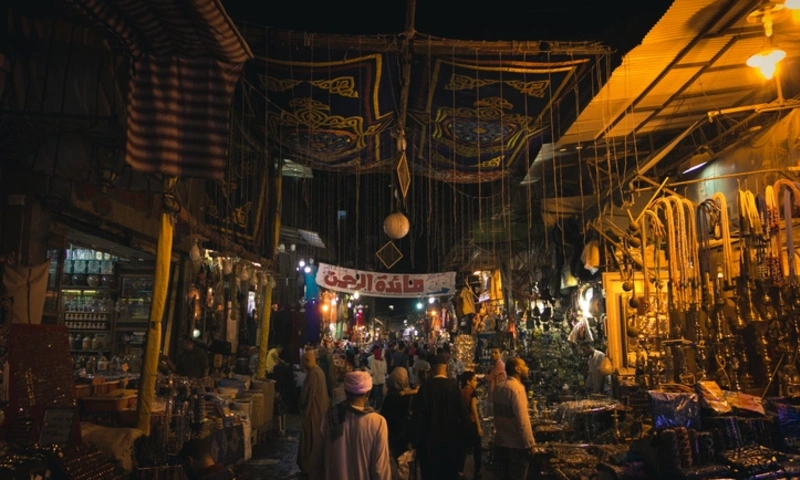
A fanous, a decorated lantern usually associated with Ramadan, can be seen hanging from countless doors, dangling from rooftops, and strung along narrow alleys in Cairo, where they're sold in specialty shops in the days leading up to Ramadan's beginning. Traditionally illuminated by candles and now often electrified, they form one of the city's most photographed attractions, especially in older districts. They're denser in places with a strong traditional flavor, where residents go out in greater numbers to enjoy the festive Ramadan nights.
Strings of colored lights and Ramadan banners also appear on commercial streets and on mosque walls, adding to the feeling of joy that reigns in Cairene streets long after sunset.
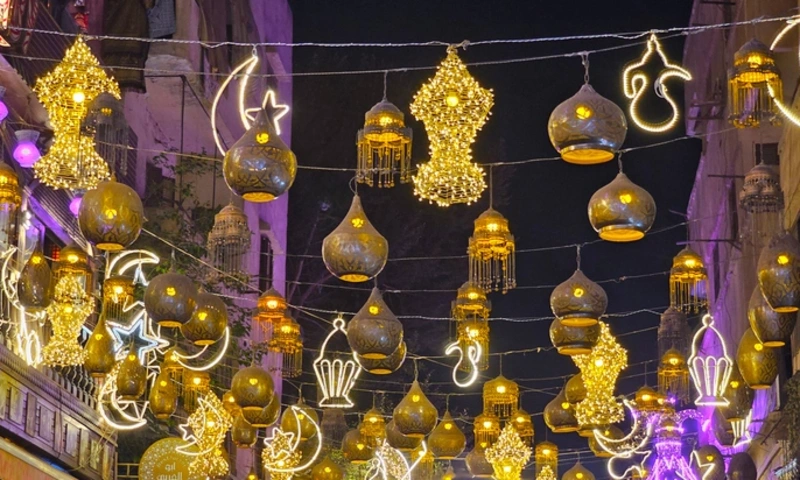
Islamic Cairo's Evening Atmosphere
Islamic Cairo, with a concentration of historic mosques and narrow market streets, is where you often feel Ramadan's mood strongest during the evenings. Al-Muizz Street and the area around Al-Azhar Mosque pack with families and groups lingering into the night after iftar, cafés staying open past their usual hours, and the district's centuries-old buildings taking on a different character under strings of Ramadan lighting. This is the area we tour in our guide to Islamic Cairo, a look closer into the district that makes it such a focal point of the month.
Iftar, Suhoor, and Traditional Ramadan Foods
Iftar, the meal at which Muslims break their daily fast at sunset, is traditionally quick, consisting of dates and water, in accordance with the Prophet Muhammad, before continuing on to a more substantial meal. Traditional dishes specific to Ramadan in Cairo include fatta, a rich mixture of rice, bread, and meat in a garlic and vinegar sauce, as well as soups and various dishes not specific to the holiday, but commonly found at this meal.
Sweets play a much bigger role during Ramadan, with kunafa and qatayef, a folded, stuffed pastry specific to the month, sold heavily throughout the city at street stalls and pastry shops. Finally, suhoor, the pre-fast meal at the beginning of the day, is lighter, and is often accompanied by heavy late-night socializing, as those observing Ramadan often find it difficult to sleep through the night.
Ramadan Tents and Evening Gatherings
Ramadan tents, where locals gather to share shisha, tea and meager snacks until the early hours of the morning, are a Cairo institution in the holy month. Set up in hotels, outside restaurants and in public squares, these tents offer a budget-friendly way for visitors to experience an iftar (evening meal). They can be as simple as a few tables and chairs in a courtyard or a more special affair with live music, depending on where you find them. It's a great option for those who haven't been invited for an iftar but still want to experience Ramadan.
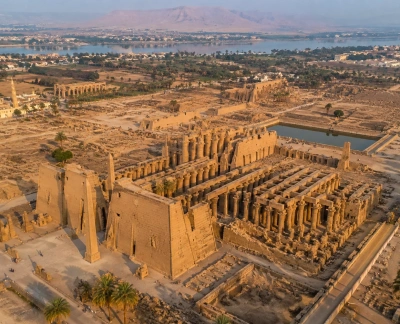
For those looking to combine a Ramadan visit with a longer tour of the country, the Egypt Vacation Package | 12 Day Egypt Tour offers a taster of the holy month in Cairo before heading down the Nile to Luxor, Aswan and a three-day cruise along the river valley.
Cultural Etiquette and Practical Advice for Visitors
Non-Muslims are generally not expected to fast but are advised to show a degree of discretion when it comes to eating and drinking in public places during daylight hours, especially in more traditional areas. Most hotels and tourist-friendly eateries remain open throughout the day, so food is not a problem, but wandering the streets with a full plate and a drink during daylight hours is not advisable.
Traffic and pedestrian flow favours the hour before sunset when everyone is rushing to reach home or a restaurant to break their daily fast (called iftar), followed by a lull until the evening when everyone starts to relax again. With this in mind, try to avoid rush-hour traffic right before sunset if you can. For more general advice regarding travel during Ramadan, be sure to check out our Egypt travel guide .
FAQs
1- Are tourist sites open during Ramadan in Cairo?
They are mostly open including the pyramids and museums, although it is advisable to check in advance as some places close during this month.
2- Are non-muslims allowed to fast during Ramadan in Cairo?
It is not compulsory, but it is considered respectful not to eat publicly during the day, especially in conservative regions.
3- What is a fanous? And why is it related to Ramadan?
It is a symbol of the festive season in Ramadan, which is hanging on Cairo’s skyline. Lanterns of all sizes and colors are displayed in shops and on streets.
4- What food do people eat during Ramadan in Cairo?
The iftar meal (the daily sunset meal when Muslims end their daily Ramadan fast) usually starts with dates and water followed by a main course of fatta. Sweets such as kunafa and qatayef are also traditional during this month.
5- Is the nightlife busier during Ramadan in Cairo?
The siestas are longer and the nights are busier during the month as café’s restaurants and Ramadan tents (special tents set up for selling food and drinks during Ramadan) are open until the early morning, especially in Islamic Cairo.