

Introduction
Egypt is generous to those visitors that will seek more than just one era or site of interest in the country. The number of activities in Egypt includes archeological sites that have been created during millennia, medieval towns, Nile Valley, the desert area, and the Red Sea coasts. It is possible to link up some of these locations with a proper itinerary in Egypt without considering it as a series of monuments.
The cities of Cairo and Giza could be considered as a proper starting point for this trip as they include the pyramids, main museums and the area called Historic Cairo where different eras of Egypt are represented. The area of Luxor and Aswan will make it possible for the tourists to come close to the temples and tombs of the Upper Egypt. Nile connects most of these locations historically and geographically.
Table of content:
What Are the Best Things to Do in Egypt?
It seems that the ideal itinerary in Egypt involves combining archaeological sites with geographic features and urban landscapes associated with modern-day Egypt. Instead of aiming at seeing all the must-visit sites, it is better to plan the tour by choosing several geographic regions.
Visit the Pyramids of Giza
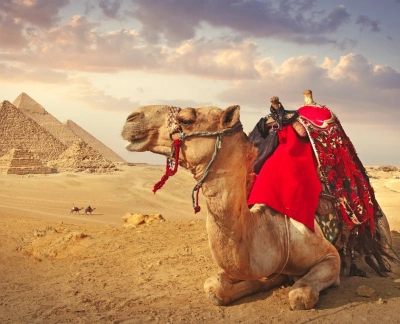
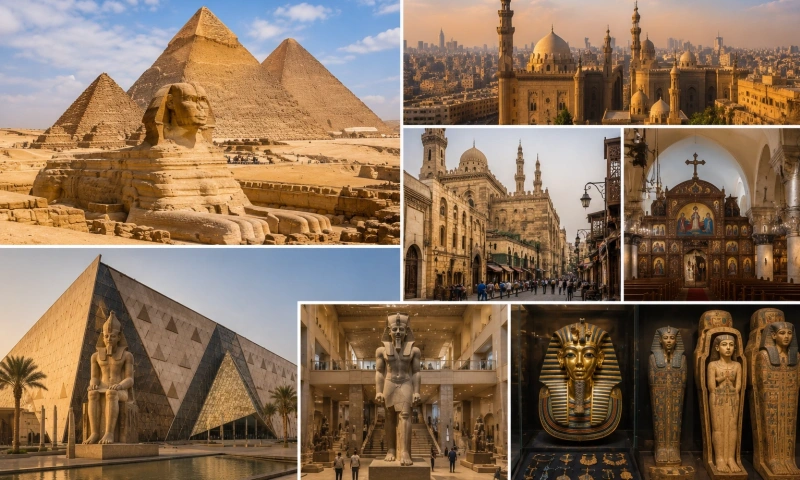
The Giza Plateau is the most recognizable archeological site in Egypt. The pyramids of Khufu, Khafre and Menkaure are accompanied by the famous Great Sphinx in addition to a large number of temples, tombs and small pyramids.
Allowing enough time to the plateau makes a huge difference. Seeing the monuments from several angles around the site gives an excellent idea about their proportions and interrelations. People who plan such visit may refer to the Giza Pyramids Guide
Discover Cairo Beyond the Pyramids
It would be wrong to treat Cairo just as a stop on the way to Giza. Many mosques, churches, museums, markets and districts will help you learn about different periods in Egyptian history that are not necessarily associated with antiquity.
Islamic architecture may be found in Historic Cairo, while Old Cairo has much to do with Egypt's Christian past. Downtown Cairo reveals yet another face of Egypt's capital. All these places can be planned using the Cairo Travel Guide
Visit Egypt's Leading Museums
Museums are a great opportunity to put many visited archaeological sites into the right historical context. Cairo area is notable for the Grand Egyptian Museum and the Egyptian Museum in Tahrir with large collections related to the ancient Egyptian history.
Which Ancient Egyptian Sites Should You Visit?
Amidst all the activities that you can enjoy in Egypt, exploring its archaeological sites will be fundamental for comprehending its rich history. There is much more than the pyramids in Giza; Upper Egypt offers a series of temples, tombs and monumental complexes related to different eras and pharaohs.
Walking Through Karnak in Luxor
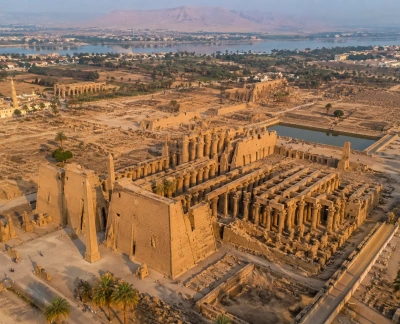
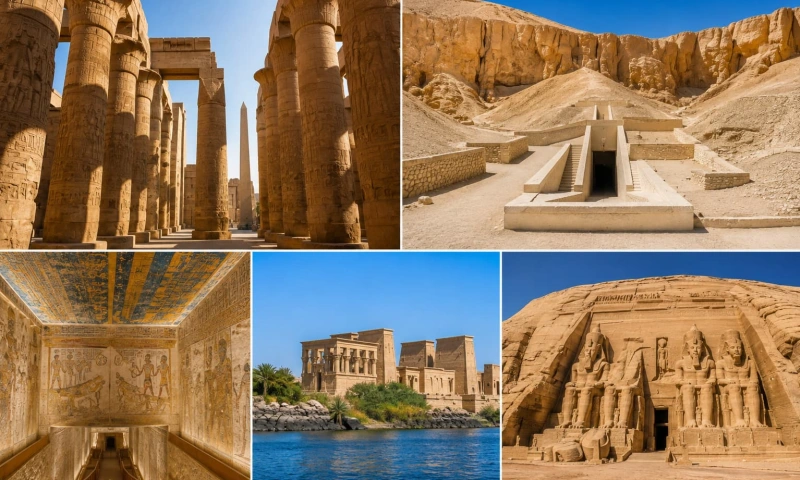
Karnak is an expansive temple complex built during many years. The pylons, courtyards, shrines and columns demonstrate how the architectural form of religious buildings evolved in the process of successive extensions made by the new pharaohs.
The Great Hypostyle Hall is one of the key architectural spaces in Karnak, but understanding this site as a complex and not just as a sum of different monuments can help to perceive it better.
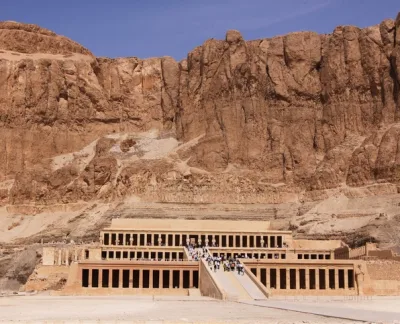
Exploring the Valley of the Kings
Located on the West Bank of the Nile, opposite Luxor, the Valley of the Kings holds royal tombs dating back to the New Kingdom. The corridors and chambers of these burial sites keep inscriptions and paintings connected with the journey of the pharaoh into the afterlife.
They have different plans, dimensions and decorations, so visiting several tombs will help to understand the evolution of these royal burial practices. The city of Luxor provides access to temples and other archaeological sites on both sides of the Nile River. Check out the Luxor Travel Guide
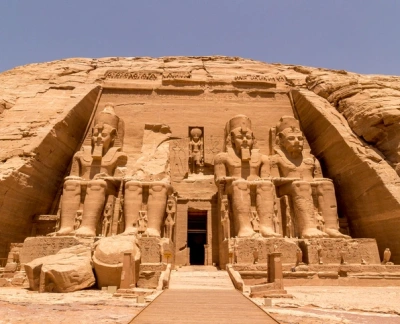
Exploring Philae and Abu Simbel
Aswan is another significant archaeological base in the southern part of Egypt. The Philae Temple, which is located on the Agilkia Island, is famous for worshipping of Isis and includes temples, gates, courtyards and other small structures built in different eras.
The temples of Abu Simbel, situated further in the south, are the main monuments of ancient Nubia. These sights can be included in a bigger holiday in Aswan and not just visited separately.
What Are the Best Cities and Places to Visit in Egypt?
Choosing between the best places to visit in Egypt depends partly on the type of trip you want. Cairo offers the greatest concentration of urban and museum experiences, while Luxor and Aswan place archaeology within the landscape of the Nile.
Cairo and Giza
Cairo and neighboring Giza combine ancient sites with museums, religious architecture and modern urban districts. This makes the area particularly useful at the beginning of a first trip, when understanding Egypt's historical chronology helps put later destinations into context.
Luxor
Few places concentrate as many major ancient Egyptian monuments within one area as Luxor. Karnak and Luxor temples occupy the East Bank, while the West Bank contains royal tombs, temples and other archaeological sites.
Spending more than a brief stop here allows these sites to be understood as parts of the ancient city of Thebes rather than unrelated attractions.
Aswan
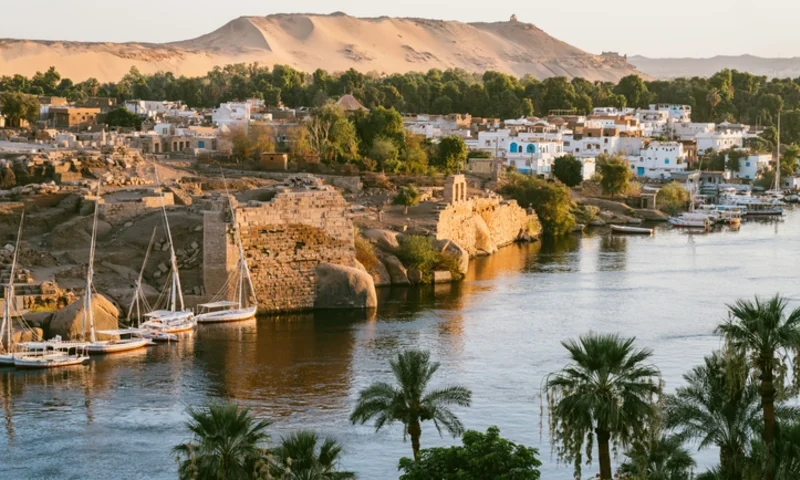
Aswan offers a different pace and setting. The Nile, islands and Nubian landscape become more prominent, while Philae provides one of the area's major archaeological visits.
The city also works as a base for journeys farther south. The Aswan Travel Guide provides a more detailed look at its monuments and surrounding areas.
Alexandria
On the Mediterranean coast, Alexandria adds another historical layer to an Egypt itinerary. Its archaeological remains and urban setting reflect periods and influences distinct from the major sites of the Nile Valley.
Travelers who want to extend their route north of Cairo can use the Alexandria Travel Guide when planning their stay.
What Can You Do Along the Nile?
The Nile is more than a route between archaeological sites. Its geography explains why many of Egypt's ancient cities, temples and settlements developed where they did.
Travel Between Luxor and Aswan
One of the most practical ways to connect Upper Egypt's major destinations is to travel along the Nile corridor between Luxor and Aswan. This route brings together temples, river landscapes and towns that developed around the waterway.
Spend Time on the River
Shorter river experiences can also add context to a city stay. In Cairo and Aswan, seeing the city from the water provides a different perspective on the relationship between urban development and the Nile.
The river should not simply be treated as transport between monuments. It remains one of the geographical threads connecting many of Egypt's major destinations.
What Can You Experience Beyond Egypt's Ancient Sites?
Some of the most varied things to do in Egypt lie beyond the Nile Valley's archaeological circuit. Desert landscapes and the Red Sea can change the rhythm of a trip and show very different sides of the country's geography.
Travel Into the Western Desert
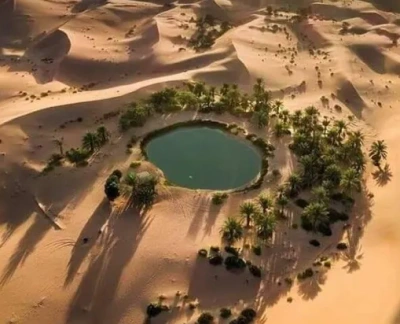
West of the Nile Valley, Egypt's desert regions contain oases and geological landscapes that contrast sharply with Cairo and Upper Egypt. The White Desert is known for pale rock formations shaped by natural processes, while nearby desert areas introduce darker volcanic landscapes.
Oases such as Bahariya and Siwa add settlements, cultivated areas and local history to the desert environment.
Spend Time by the Red Sea
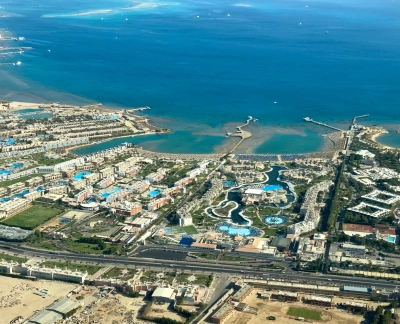
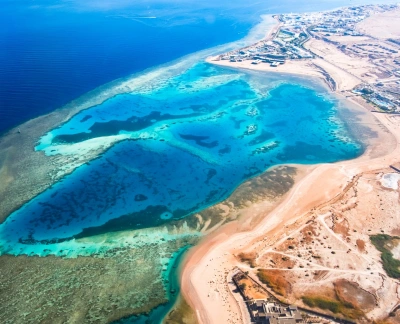
The Red Sea provides another reason to extend an itinerary beyond Egypt's archaeological sites. Coastal destinations are associated with beaches, marine environments and water-based activities, making them particularly useful when balancing a longer cultural itinerary with time by the coast.
Rather than trying to include every region, choose a Red Sea destination according to how it fits with the rest of your route and available travel time.
How Should You Plan Your Trip? An Egypt Travel Guide
The most useful Egypt travel guide is one that helps connect destinations logically. Egypt covers a large geographical area, and grouping nearby sites generally creates a more coherent trip than moving repeatedly between distant regions.
For a first visit, Cairo and Giza can introduce the country's ancient and later history. Luxor and Aswan then extend the archaeological route south along the Nile. Travelers with additional time can add Alexandria, the Western Desert or a Red Sea destination according to their interests.
Think in terms of regions rather than individual attractions. Cairo and Giza form one cluster; Luxor's East and West Banks form another; Aswan can incorporate Philae and connections farther south. Desert and coastal stays work best when treated as distinct stages of the journey.
This approach also leaves enough time to look closely at individual sites. Egypt's temples, tombs and historic districts often reveal more through their details and wider setting than through simply adding another stop to the schedule.
FAQs
1- What are the best things to do in Egypt for a first visit?
A first trip can combine the Giza Pyramids and Cairo with Luxor, Aswan and the Nile. Travelers with more time can add Alexandria, a Western Desert destination or the Red Sea depending on their interests.
2- Which places should I prioritize on my first trip to Egypt?
Cairo and Giza provide museums, historic districts and the pyramids, while Luxor and Aswan contain many of Upper Egypt's major archaeological sites. These destinations form a strong foundation for a first itinerary.
3- How many destinations should I include in an Egypt itinerary?
There is no single ideal number. It is generally more useful to group destinations geographically and leave enough time for each region rather than building an itinerary around the highest possible number of stops.
4- What should an Egypt travel guide include?
A useful Egypt travel guide should cover major destinations, archaeological sites, Nile experiences, desert and coastal options, and practical ways to organize them geographically. Detailed destination guides can then provide site-specific planning information.
5- Is Egypt only a destination for ancient history?
No. Ancient sites form an important part of many trips, but Egypt also offers medieval and modern city districts, museums, Nile experiences, Western Desert landscapes, oases and Red Sea destinations.
Plan Your Egypt Trip
Use these things to do in Egypt as the starting point for an itinerary that matches your interests and available time. Compare Egypt Travel Packages to see how Cairo, the Nile, Upper Egypt, desert regions and other destinations can fit into a wider journey.