

Introduction
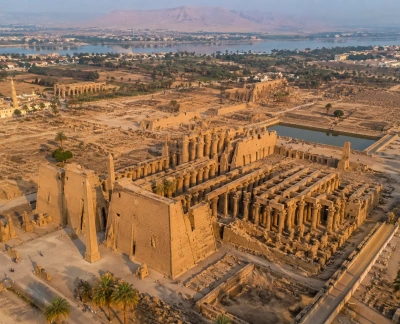
The Temple of Luxor is located within the modern city limits of Luxor, on the east bank of the river Nile, which makes it somewhat of an anomaly among ancient Egyptian constructions: a visitor can actually walk to this temple from their hotel instead of having to embark on a separate adventure to see it. Mostly built during the reign of Amenhotep III and later completed by his successor Ramesses II, the temple is dedicated to the god Amun and serves a different religious purpose compared to most of the other ancient constructions in Egypt.
Table of content:
- What the Temple of Luxor Is and Why Travelers Visit
- History and Facts About Luxor Temple: Amenhotep III and Ramesses II
- Architecture, Statues, and Colonnades
- The Avenue of Sphinxes and the Connection to Karnak
- Religious Significance and the Opet Festival
- Combining the Temple with Luxor's Other Sites
- FAQs
What the Temple of Luxor Is and Why Travelers Visit
The Temple of Luxor is conveniently located in the heart of modern Luxor, on the east bank of the Nile. This makes it one of the few main ancient monuments within walking distance from your hotel, rather than requiring a special trip. Construction began under Amenhotep III and was later completed by Ramesses II. Unlike many other ancient Egyptian temples, this particular one was dedicated to the concept of kingship and was used for the annual Opet Festival which renewed the pharaoh's power.
If you are looking to include this temple in a more comprehensive sightseeing circuit, please see our Egypt Travel Packages, which list some of the itineraries that can be combined with a visit to Luxor. In the meantime, you may want to know more about the Temple of Luxor itself, which is why we have created this guide, including some Facts About Luxor Town, and its place in history and geography.
History and Facts About Luxor Temple: Amenhotep III and Ramesses II
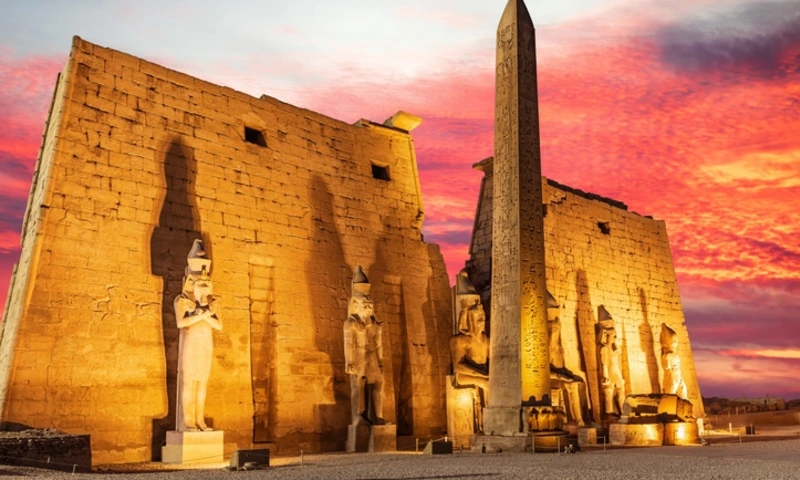
Construction of the temple began under Amenhotep III around 1400 BC and comprised the main sanctuary and colonnade, which formed the heart of the temple complex. Ramesses II subsequently made significant additions to the structure, including the first pylon and peristyle court, as well as several colossal statues of the pharaoh himself, which stand on either side of the entrance. This addition, along with most other building projects of this ruler, was part of a large-scale campaign to improve and expand Egypt's monumental building projects.
In contrast to Karnak, which was expanded and embellished over approximately 1,300 years by different pharaohs, the construction of Luxor Temple is more distinctly attributed to the two mentioned above. Despite this, it is not as straightforward as many other ancient temples due to later additions, including a Roman-era chapel and even a mosque, which was constructed directly against the temple's outer wall.
For those planning a temple tour as part of a larger river cruise, our Egypt Nile Cruise Package 7 Day Egypt Tour can help you plan your sightseeing, while our guide to Karnak Temple provides an insight into the temple complex connected to Luxor via a famous processional way.
Architecture, Statues, and Colonnades
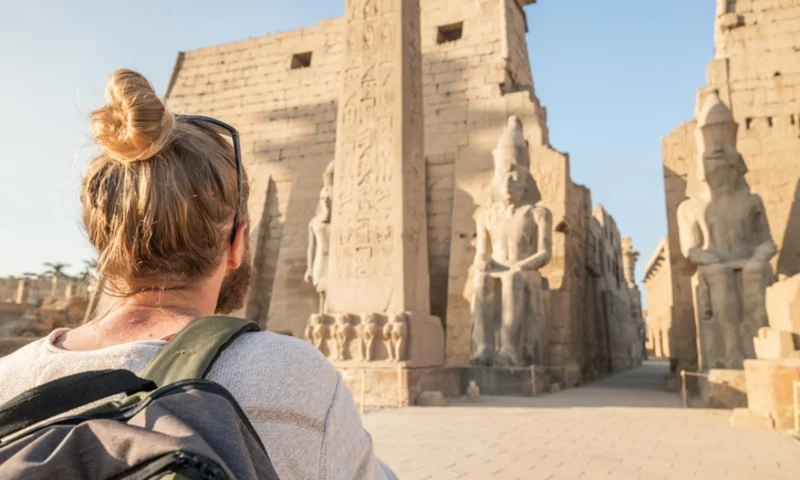
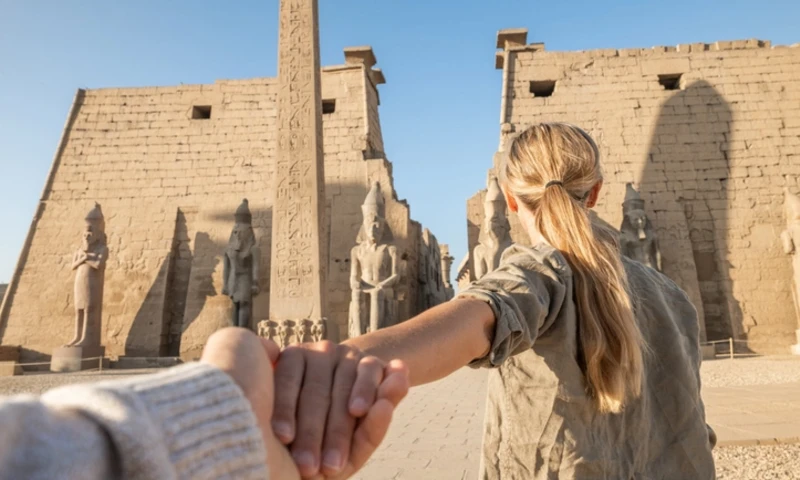
The temple's entrance is marked by a massive first pylon, originally fronted by six colossal statues of Ramesses II, four still standing today, along with a pair of obelisks, though only one remains in place, its twin having been relocated to the Place de la Concorde in Paris in the nineteenth century.
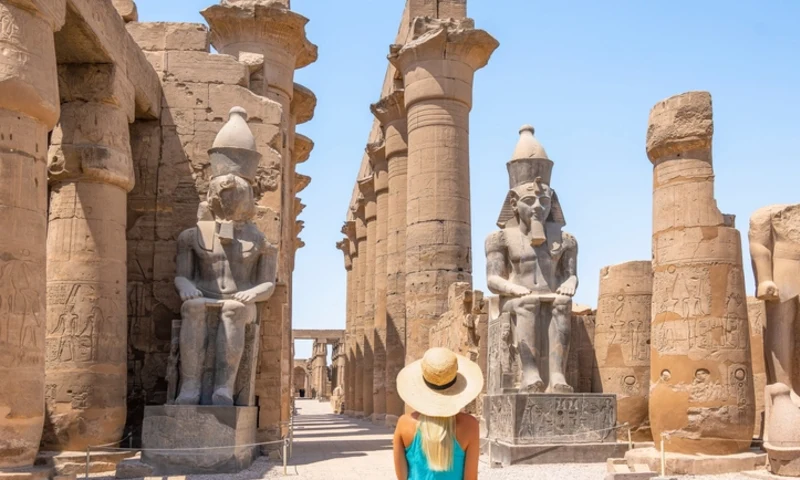
Beyond the pylon, the Great Court of Ramesses II opens into a colonnade of papyrus-bundle columns built under Amenhotep III, among the most architecturally refined spaces in the complex. Further in, the inner sanctuary held the barque shrine used during temple rituals, and a chamber added later by Alexander the Great demonstrates how the site continued to hold religious significance well into the Greco-Roman period.
The Avenue of Sphinxes and the Connection to Karnak
One of the most notable features of the temple is the Avenue of Sphinxes, where it once connected the temple to Karnak. This avenue was used by the priests during the Opet Festival to transport the Gods between the two temples. The avenue was abandoned and filled with debris and excavation and restoration efforts have made it accessible for visitors again in recent years.
By walking on part of this avenue one can get an idea of how the two temples formed a whole, and that their separation is only apparent, not actual.
Religious Significance and the Opet Festival
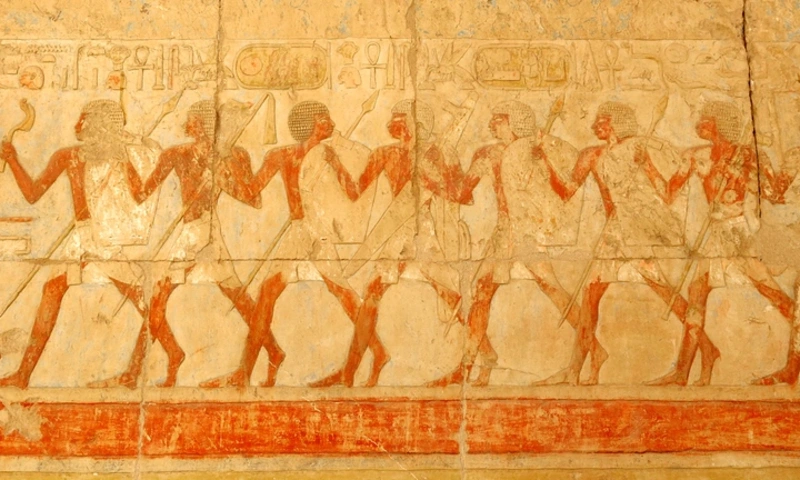
The central role of the Luxor Temple in the Opet Festival is what makes it different from other temples that were historically dedicated to the gods. The god’s statue was brought from Karnak to this temple during the celebration, and the procession included reconfirming the pharaoh’s divine right to rule. This feature is integral to the understanding of the ancient Egyptians, and it is reflected in the decorations of the temple. Most of the reliefs inside the temple depict the procession, showing the importance of the ceremonies and festivals to the ancient culture.
Combining the Temple with Luxor's Other Sites
A visit to the Temple of Luxor conveniently complements the other ancient monuments of the city, as they are located quite close to one another. Egypt Nile Cruises usually include a tour of the Luxor temple as part of their excursions, with a visit to Karnak temple on the same day, due to the close proximity of the two.
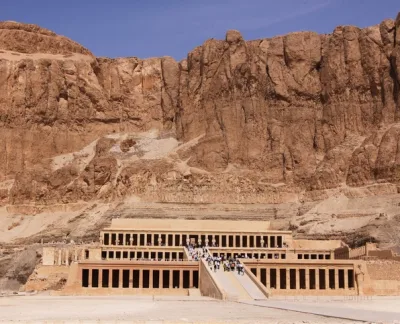
On the West Bank, Valley of the Kings is home to the tombs of many of the pharaohs connected with the building of the temples on the East Bank, and our guide to the Valley of the Kings covers what to expect there. The Temple of Hatshepsut, another highlight of a West Bank visit, provides an interesting contrast to Luxor Temple. Rather than being enclosed within a traditional pylon-and-court structure, the temple is set out in terraces, and our guide to Hatshepsut Temple covers other differences in more detail.
Best Time to Visit and Practical Tips
Luxor Temple is one of the few major attractions in Egypt that's best visited in the early evening rather than the morning; floodlights that come on after sunset highlight many fine details of the columns and statuary that are lost in bright daylight. Many travelers see Luxor in the morning after an early visit to Karnak, since the return trip across the Nile in the late afternoon allows you to see both sites in their best light.
Its downtown location makes it easy to reach, a short walk or taxi ride away from all the major hotels, whereas the West Bank sites require a sometimes-scorching cross-river trip.
FAQs
1- Who built the Temple of Luxor?
The temple was built by Amenhotep III who constructed the sanctuary and the temple's colonnade around 1400 BC, and later added by Ramesses II the first pylon, a peristyle court and he also built several colossal statues.
2- What is the best time of the day to visit Luxor Temple?
The temple is best seen in floodlight after sunset, when the columns and statues are dramatically illuminated, an effect not available to visitors in daylight.
3- What is the connection between Luxor temple and Karnak?
The two temples are linked by the Avenue of Sphinxes, a two and a half mile long processional route leading from Karnak to Luxor temples, along which the priests carrying the statue of the god Amun would travel during the Opet Festival.
4- What was the Opet Festival?
It was an annual festival, held to reaffirm the divine origins of the ruling pharaoh, during which the statue of the god Amun was brought from Karnak to Luxor temple.
5- Do you need transportation to get to Luxor Temple?
No, as it is within walking distance from most hotels in the city, while the Valley of the Kings and other important sites on the West Bank are only accessible by boat or by driving across the Nile.