

Introduction
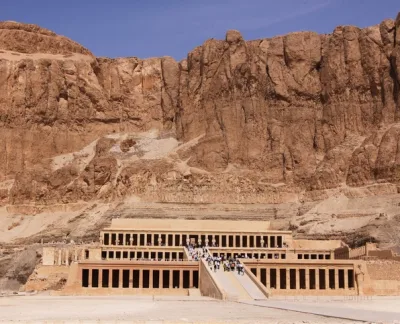
Elephantine Island is located at the heart of the Nile, opposite central Aswan, Egypt's primeval city, which was already densely populated in ancient times and possesses a unique blend of ancient temples, Nubian village settlements, and modern archaeological excavations.
Table of content:
- What Elephantine Island Is and Why Travelers Visit
- History and Significance of Elephantine Island
- The Temple of Khnum and Archaeological Ruins
- The Nilometer
- Nubian Villages and Heritage on the Island
- Aswan Museum and the Wider Archaeological Area
- How to Reach Elephantine Island and How Long to Stay
- FAQs
What Elephantine Island Is and Why Travelers Visit
Elephantine Island is located in the middle of the Nile, directly opposite central Aswan. This ancient Egyptian city is one of the country's oldest continually inhabited places, where ancient ruins, Nubian villages, and an active archaeological dig site all exist on the same plot of land. Its name is believed to have derived from either its elephant-like shape when viewed from afar or its former use as an international trading center for ivory bound for the north.
If you're considering adding Elephantine Island to a larger tour in Aswan, Egypt Travel Packages can help you understand how to incorporate it into a larger touring itinerary. Our Aswan City Guide offers additional information about the area that this island lies in. Learn more about Elephantine Island in the guide below.
History and Significance of Elephantine Island
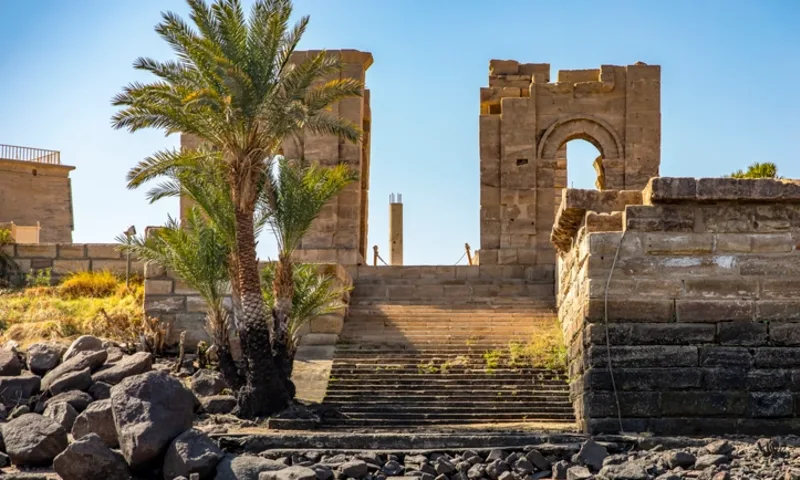
Elephantine's long history goes back to the earliest times of Ancient Egypt, when it formed the southernmost frontier of Egypt and was a garrison town controlling access to Nubia. As the island was strategically located at the first cataract of the Nile, it was a crucial crossroads for a long time, and later civilizations kept rebuilding on top of the old layers, leaving countless artifacts for modern excavators to find.
If you're visiting Elephantine as part of your longer tour along the Nile, our Egypt Nile Cruise Package , 7 Day Egypt Tour can help you plan a route that combines it well. Similarly, Things to Do in Aswan Egypt includes some options for travelers, who want to see more than just the island and have some days to spare in the city.
The Temple of Khnum and Archaeological Ruins
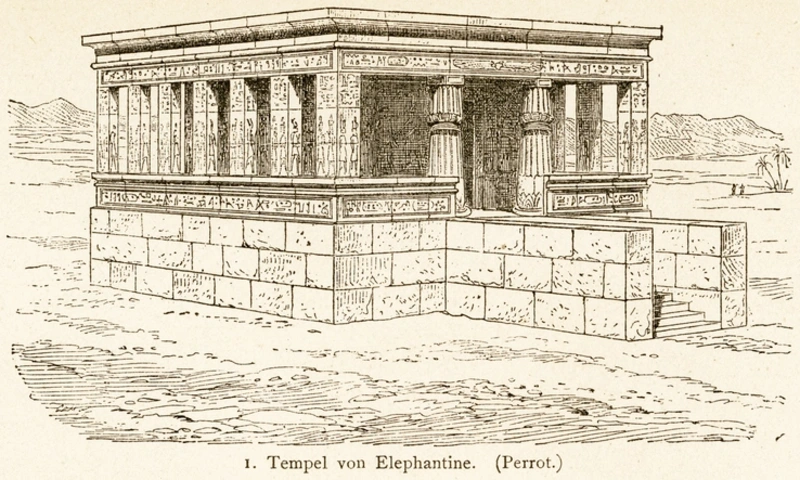
The Temple of Khnum is dedicated to the ram-headed god responsible for the inundation of the Nile and incorporates the remains of a temple dating back to some of the earliest dynasties. It is not in as good condition as many of the temples found a little further north on Elephantine Island, but you can see a number of layers of different construction phases on the small area that has been excavated.
The area surrounding the temple is actually the remains of an ancient town. While most of the other temples in the area are dedicated exclusively to the gods and are quite grandiose, the remains of this one allow you to see what every-day life was like for ordinary citizens.
If you are already planning to take a cruise along the Nile down to Aswan, Egypt Nile Cruises has you covered. Some of the excursions they offer include time in the city, which you can spend exploring the island.
The Nilometer
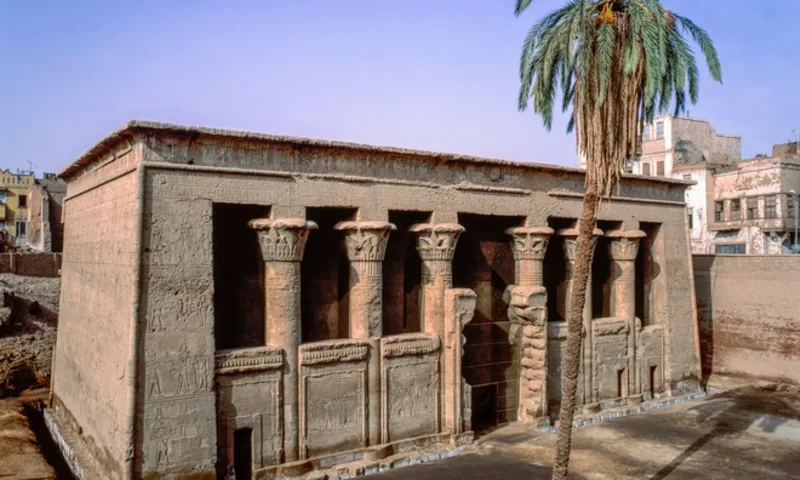
One of the prominent sights on Elephantine Island is the Nilometer, which is a stairway made of stone leading to the river with markers that showed the ancient Egyptians the height of the Nile’s annual flood. The Nilometer allowed the ancient authorities to predict the harvest and determine the tax rates for the following year. Today it is one of the best-preserved ancient structures in Egypt, and it is an exceptional opportunity to experience what ancient people experienced by walking down the stairway towards the water.

Nubian Villages and Heritage on the Island
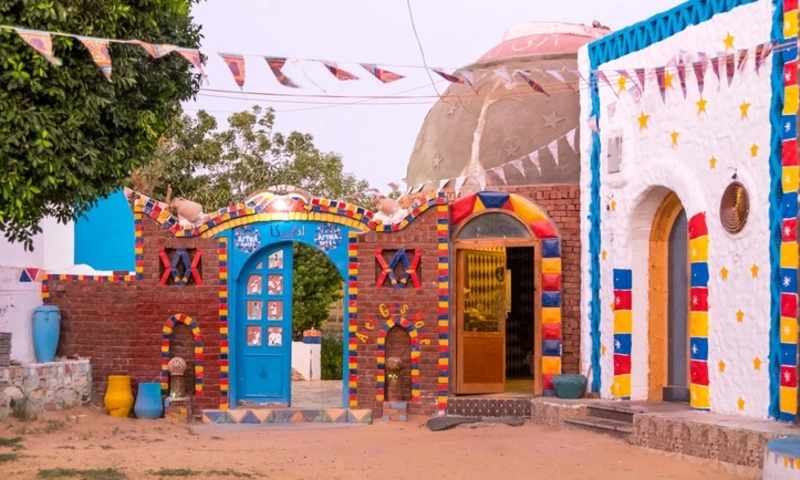
In addition to the ancient wonders, Elephantine also has Nubian communities, whose colorful village houses are beautifully decorated with bright hues and intricate geometric patterns. The island is perfect for exploring local Nubian culture and lifestyle, different from the one you can see at the archaeological sites.
Most locals are friendly and welcoming to the visitors, so you can pop into a village house for a cup of tea and a chat.
If you want to explore some more of the adjacent archaeological sights, not only the ones located on the island, we have a separate Philae Temple guide, dedicated to the most famous temple in Aswan, which is also accessible by a boat ride, and often combined with an Elephantine Island tour, due to the proximity.
Aswan Museum and the Wider Archaeological Area
A small museum on the island, sometimes referred to as the Aswan Museum, displays artifacts recovered from the site's excavations, offering context for the ruins visible outside. Combined with the temple remains and the Nilometer, the museum rounds out a fairly complete picture of the island's long occupation, from its earliest fortified settlement through its role in later periods of Egyptian and Nubian history.
How to Reach Elephantine Island and How Long to Stay
Elephantine Island is accessed by a short motorboat ride from Aswan's Corniche similar to that of Philae Temple and the Nubian villages along the western bank of the Nile. Its brevity makes the journey only a few minutes long, and the resulting isolation gives Elephantine Island a reputation as one of the more laid-back stops in Aswan.
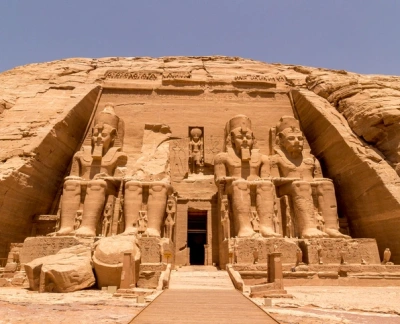
It takes about two to three hours to see the Temple of Khnum ruins, Nilometer, and the small museum at a relaxed pace---you might even want to spend extra time wandering the Nubian villages---but most people with an extra day in Aswan save that for a more ambitious side trip, like a visit to the Abu Simbel Temples, which is a longer day's drive from the city.
Best Time to Visit and Practical Tips
A trip to Elephantine Island is best made in cooler months, November through March, when exploring the ruins and villages is more comfortable than sweltering summer days in Egypt's southern city. Most visitors find that mornings are best for visiting, before the crowds arrive with the steady procession of boats along the Nile.
FAQs
1- How do you get to Elephantine Island?
A short motorboat ride from Aswan's Corniche to Elephantine Island takes only a few minutes on a similar route as the one leading to Philae Temple.
2- How much time do you need for Elephantine Island?
2 to 3 hours are enough to see the Temple of Khnum's ruins, the Nilometer, and the little museum; it is worth adding the Nubian villages to your must-see list.
3- What is the Nilometer used for?
The Nilometer is a stone staircase with markings that the ancient Egyptians used to measure the height of the Nile's annual flood and forecast the harvest.
4- Are there Nubian villages on Elephantine Island?
Nubian communities have been living on Elephantine Island for generations, and their colorful village houses are among the island's most photographed sights.
5- What is the significance of the Temple of Khnum?
The temple is dedicated to the god Khnum, who was worshipped as the creator of the world and the spirit of the Nile's inundation and is the centerpiece of this archaeological complex.